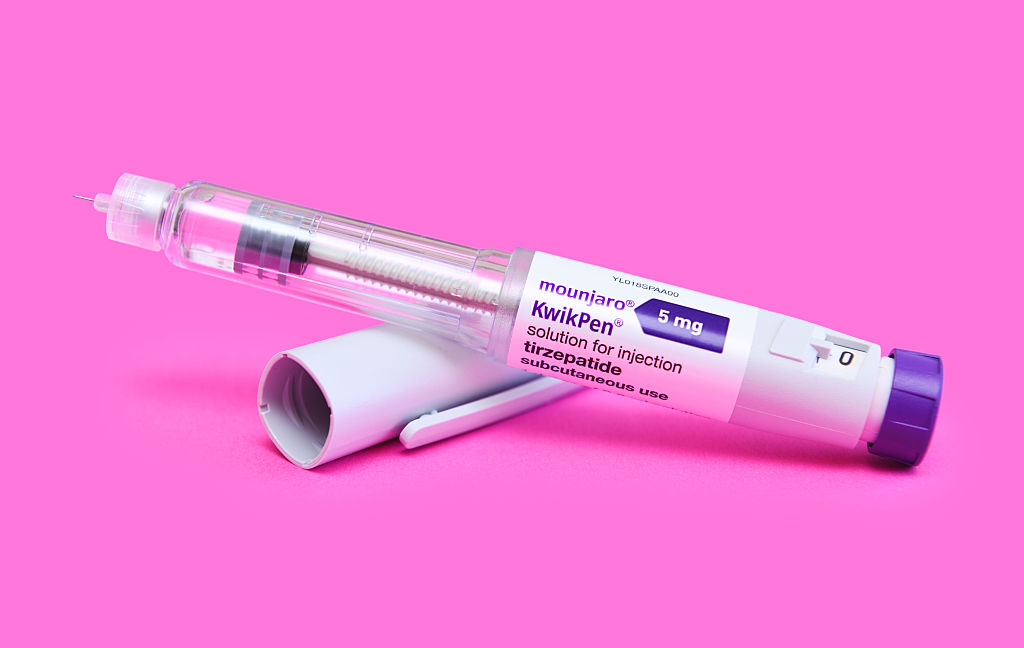
A One-Time Treatment for High Cholesterol Shows Promising Results
A CRISPR-based gene-editing therapy could be a one-and-done treatment for high cholesterol and high triglycerides, a study suggests.
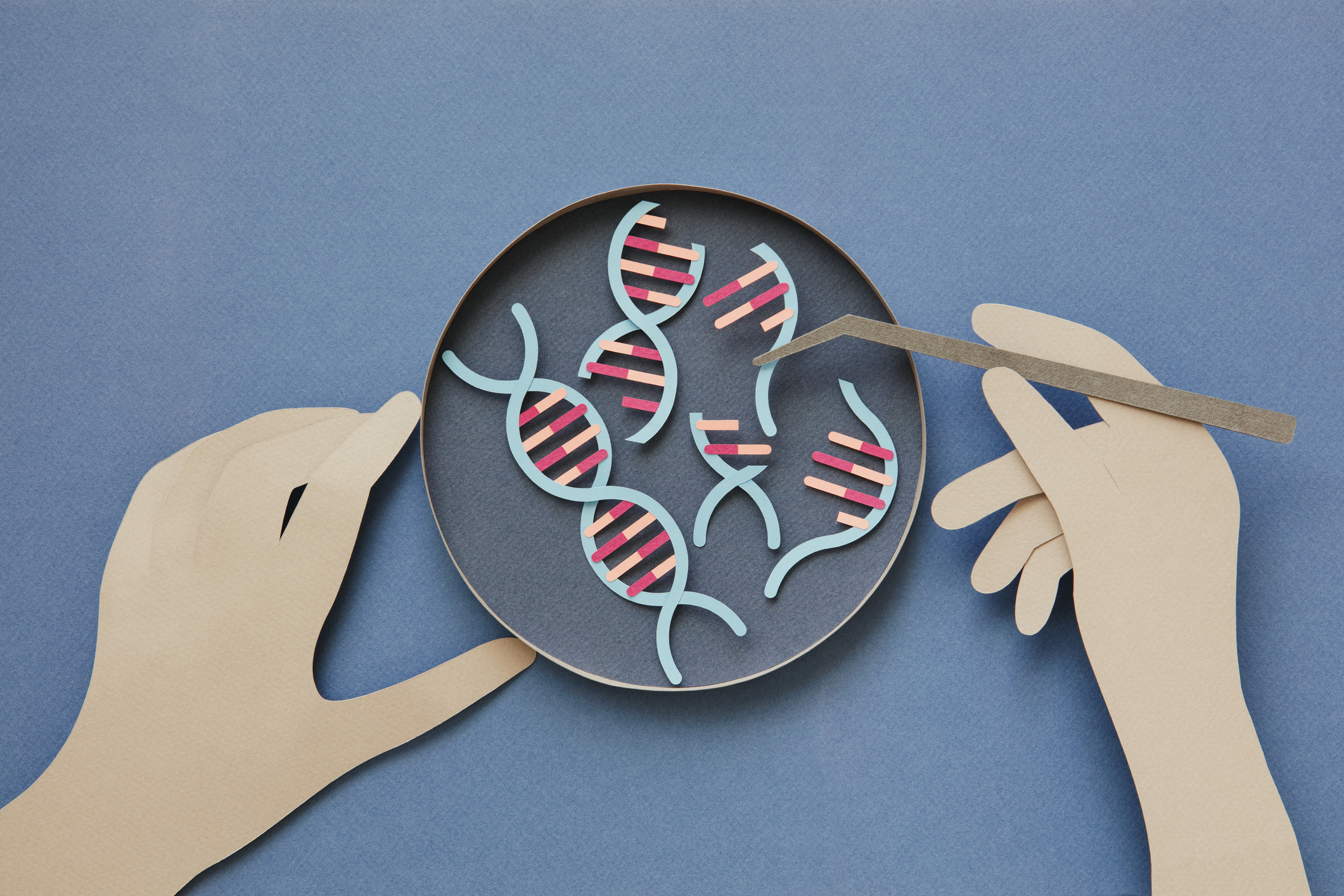
Recent research published in the New England Journal of Medicine suggests a promising one-time therapy for high cholesterol. Developed by CRISPR Therapeutics, this gene-editing treatment uses CRISPR technology to correct a gene called ANGPTL3, which is involved in cholesterol regulation. ANGPTL3 produces an enzyme that blocks the breakdown of bad cholesterol (LDL) and triglycerides, leading to increased levels of these lipids and heart disease.
Researchers examined a long-lived population in Italy with a natural mutation in ANGPTL3, which resulted in low levels of LDL and triglycerides and minimal heart disease. The CRISPR therapy imitates this mutation, allowing people to break down cholesterol and triglycerides properly. In a small study, 15 people with severe forms of high cholesterol and triglycerides experienced lipid reductions of up to 50%, with these lower levels lasting at least a year.
CRISPR Therapeutics' CEO, Samarth Kulkarni, expressed excitement over the study's efficacy, stating that the one-time treatment marks a significant achievement in showing the durability of results. Dr. Luke Laffin, co-director of the Center for Blood Pressure Disorders at the Cleveland Clinic and lead author of the study, noted that the therapy's impact on people who received the highest dose suggests a long-lasting effect of the edited cells in the liver.
The therapy showed no significant side effects, as those with the defective ANGPTL3 gene do not experience serious diseases. This could potentially replace daily statin pills, which many people struggle to follow consistently. Laffin envisions a future where individuals with a family history of heart disease or high cholesterol could opt for this therapy to edit their liver cells, thus maintaining a safe genetic defect that controls cholesterol.
Kulkarni announced that the company is already beginning the next phase of studies, with additional results expected by the end of the year. These studies will continue to focus on individuals with severe cases of high cholesterol and triglycerides, affecting approximately two to three million people in the U.S. If the positive results continue, CRISPR Therapeutics might consider conducting studies in people with more moderate lipid elevations.
The ultimate goal is to develop a one-time treatment that could revolutionize cardiovascular medicine.
Written by urgent.news from Time's reporting — not their text. Machine-written — may contain errors; check the original before relying on it.