These are the animals bird flu has already hit in Australia
Bird flu has quickly spread around Australia. Hidden in the numbers are more than 20 distinct species of birds and mammals that have fallen to the disease.
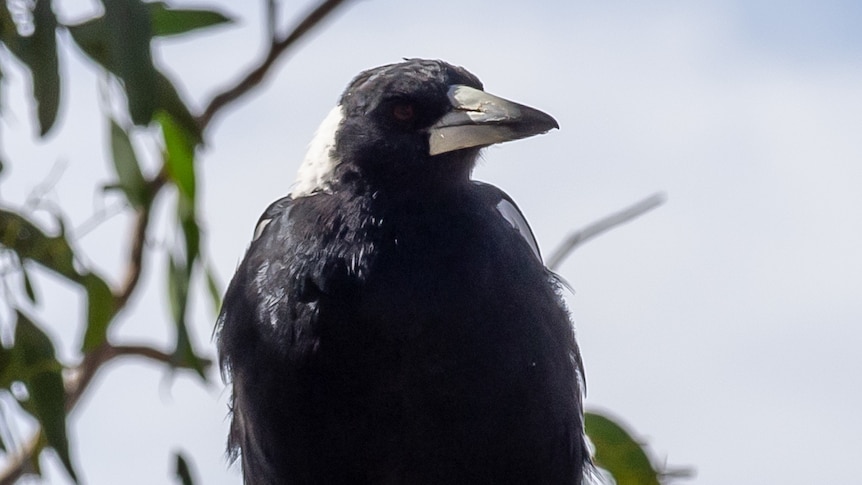
Bird flu has rapidly spread across Australia since its first detection in mid-June, spreading from Antarctica to offshore Australia and then to inland waterways. As of late August, there are over 350 confirmed cases of bird flu, including several mass mortalities. However, this figure represents more than 20 distinct species of animals affected by the disease.
Veterinary pathology researcher Rachael Gray from the University of Sydney, who has worked with seals for decades, describes the situation as frightening. "These animals, who we very much love and admire and respect… these animals are getting sick, they are suffering and then they are dying," she says.
The most concerning aspect of H5 bird flu is its ability to infect a wide range of mammal species. Coastal and urban birds, as well as other birds suspected to have died from H5, have been confirmed by CSIRO. Seabirds that migrated from the subantarctic Australian territory of Heard Island and McDonald Islands to Australia were the first to be infected with the virus. These birds also travel between Australia and New Zealand.
Vaccination is a challenge for most wild birds due to their mobility and the requirements of the vaccines. Currently, only little penguins on Victoria's Phillip Island and St Kilda are being targeted for vaccination, with the goal of capturing and vaccinating 5,000 of the 40,000 penguins in the area. However, catching other bird species may be difficult and stressful for the animals.
Unlike birds, there is no commercially available mammalian vaccine for animals like seals. Some small overseas trials have used a modified cattle vaccine in northern elephant seals, showing an immune response. However, implementing a vaccination rollout in free-ranging populations is challenging due to logistical and practical issues.
CSIRO has no specific plans to vaccinate pinniped animals such as sea lions and seals, which are among Australia's highest-risk species. The understanding of how H5 may affect Australian mammals, including scavenger species like Tasmanian devils and dingoes, is limited. Vaccination is only one tool and does not eliminate the risk of infection. It also needs to be regularly updated as the virus mutates.
The most crucial aspect for highly vulnerable and susceptible populations is surveillance to monitor the spread of the disease.
Written by urgent.news from ABC News AU's reporting — not their text. Machine-written — may contain errors; check the original before relying on it.
This story
This is one outlet's version. Read the fullest account.