Mounjaro Is Now Approved to Lower the Risk of Heart Events
The new indication for Eli Lilly's drug is for people with Type 2 diabetes.
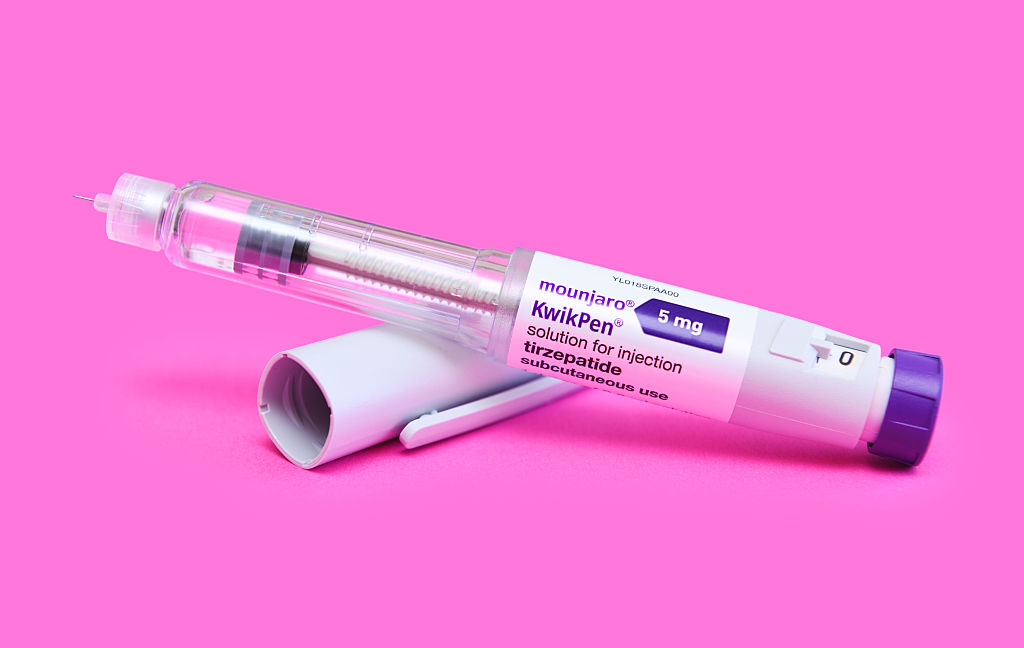
The FDA recently approved Mounjaro, a GLP-1 medication, for a new purpose: reducing the risk of heart events such as heart attacks in people with diabetes. Eli Lilly and Company developed Mounjaro, which already helps manage blood sugar in individuals with diabetes. Mounjaro works on two hormones within the incretin class—GLP-1 and GIP—which are crucial for controlling blood sugar and weight.
In clinical trials, researchers found that people with Type 2 diabetes who took Mounjaro experienced an 8% lower rate of heart attacks, strokes, or heart-related deaths compared to those who took Trulicity, another Lilly drug targeting only GLP-1. Trulicity had previously helped both people with and without heart condition histories reduce their risk of heart events by 12%.
Dr. Rachel Batterham, senior vice president of medical innovation at Lilly, explains that reducing cardiovascular disease risk is crucial for patients with Type 2 diabetes, given that it is the leading cause of death among this group. Lilly chose to compare Mounjaro's heart-risk-reducing potential to Trulicity's existing benefit to gauge Mounjaro's added advantage. However, this comparison cannot be directly applied to competitors like Ozempic and Wegovy, both of which have been approved to lower heart disease risk by 20%.
Lilly is currently studying Zepbound, a weight-loss version of their drug, to determine if it can prevent subsequent heart events in people who have had one and first heart events in those who have not. For now, the approval of Mounjaro as a heart risk reducer opens up new discussion points for doctors treating Type 2 diabetes patients, who can now highlight the drug's potential benefits beyond blood sugar control.
Written by urgent.news from Time's reporting — not their text. Machine-written — may contain errors; check the original before relying on it.