Urgent.News

What's breaking now, across thousands of outlets.

Culture

US singer Post Malone postpones Hong Kong concert, sparking fan complaints

American singer and rapper Post Malone has postponed his coming Hong Kong show, prompting complaints from disappointed fans in mainland China who said they had already booked holiday leave and hotels. Announcing the decision on social media on Thursday, concert organiser Live Nation Hong Kong said the September 16 show at Kai Tak Stadium had been postponed. The statement, which gave no reason for…
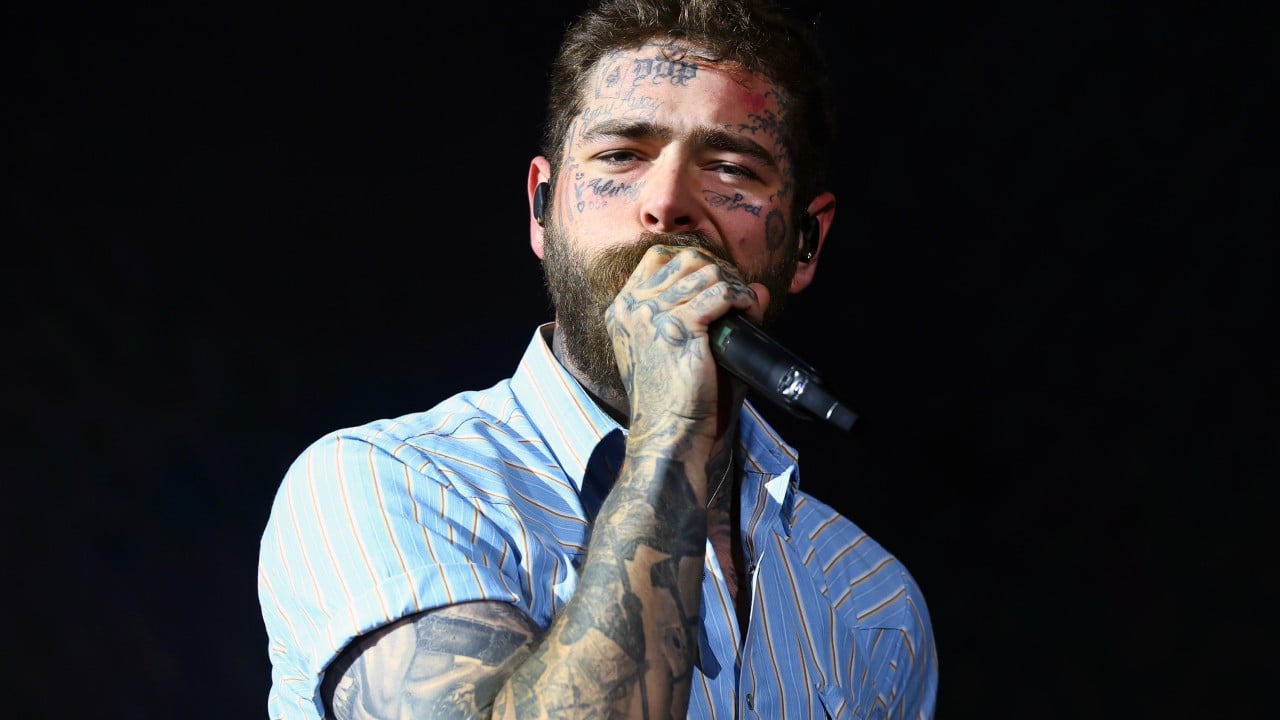
US singer Post Malone postpones Hong Kong concert, sparking fan complaints

Every Saturday evening, Causeway Bay's bustling retail scene takes a sudden decline after 9 o'clock. The area lacks vibrant nighttime entertainment options, such as jazz clubs or experimental musicals. Nearby, the Hong Kong Stadium sits idle while the racecourse's catering rooms remain largely vacant on non-race nights. This empty space between a major shopping district and a historic sports venue highlights a failure in urban planning.

The solution lies within reach: demolish the outdated stadium and construct a dense cluster of 20-30 theatres, linked to both the racecourse and the Lee Garden retail corridor. High-profile Broadway and West End productions tend to choose Shanghai or Shenzhen as their staging grounds. The primary challenge is the lack of enough performance venues, not audience demand or ticket prices.

Hong Kong's cultural infrastructure is limited to a few large theaters or intimate black-box spaces. In contrast, world-class cities boast a dense, walkable area filled with contrasting performance spaces, each equipped with in-house dining options. Happy Valley's stadium site presents the most suitable location for such a development.

By razing the stadium, a theatre village with contrasting venues can be erected, surrounded by a central plaza adorned with lanterns. Imagine entering a lavish Cantonese opera house evocative of the historic Lee Theatre, located right in the heart of Causeway Bay. The cluster would feature a broad array of venues, including an 800-seat Cantonese opera theater, a 1,500-seat Broadway-style musical theater, a 400-seat jazz and cabaret supper club, a thrust-stage drama theater, a dance house, a children's theater, an indie live-house, and a Cantonese comedy studio.

Each venue would seamlessly integrate dining and drinking into its design, creating an immersive sensory journey for patrons. Integrating the venues with a pedestrian spine connecting Lee Garden Five and Hysan-Swire will draw high-spending visitors from the area to the theatres. Race nights can utilize the Jockey Club's restaurants and members' boxes to accommodate overflow crowds.

Combining a race day buffet with post-race theater tickets will serve as a unique selling point for visitors. On non-race nights, the Jockey Club's catering facilities can transform into supper clubs, jazz brunch spots, or late-night dessert bars catering to the theatre audience. The entire valley should be transformed into a cohesive entertainment ecosystem, bridging the gap between two significant cultural institutions.

The government must designate the stadium site for a cultural and entertainment cluster, mandating a minimum number of theatres, compulsory food and beverage integration, and a design plan that ensures physical linkage between the racecourse and the Lee Garden extension. This development will be the driving force behind land release, attracting developers, the Jockey Club, and international theater operators.

By offering a dense, character-rich cluster of venues, Hong Kong can rival Shenzhen's offerings and create unique, layered experiences that thrive after dark.

Written by urgent.news from South China Morning Post - Hong Kong's reporting — not their text. Machine-written — may contain errors; check the original before relying on it.

This story

This is one outlet's version. Read the fullest account.

Read the original at scmp.com →

More in Culture

More from Thursday 27 August →