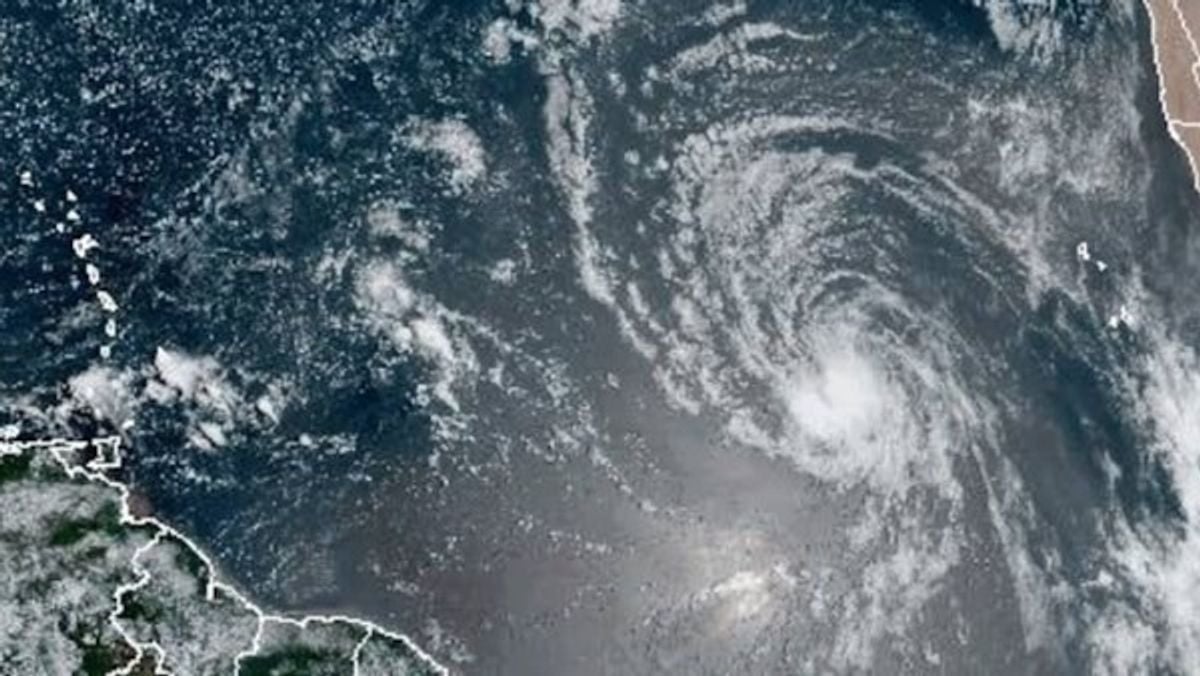
How a collapsing glacier may have caused the catastrophic Nepal floods
A series of flash floods has destroyed villages in parts of Nepal and Tibet, as experts say a falling glacier likely triggered a chain reaction of events that could get worse.
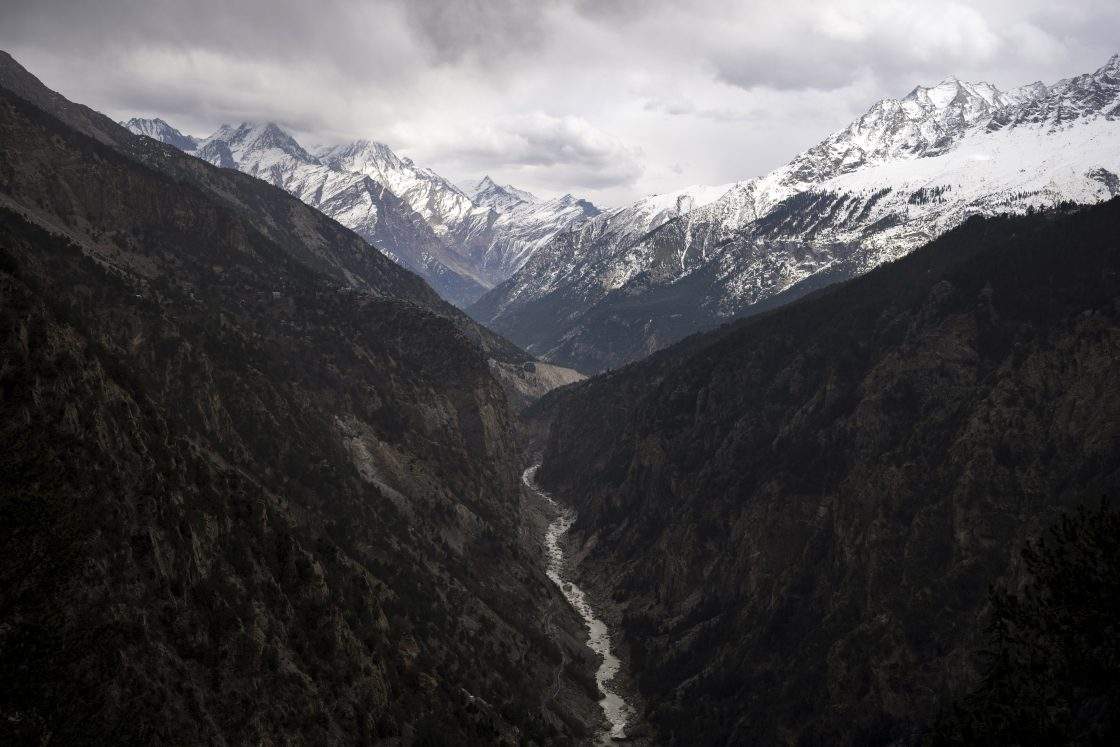
A catastrophic series of flash floods has devastated villages in Nepal and Tibet, claiming hundreds of lives, including Canadians, and leaving thousands missing. The U.S. Geological Survey detected a magnitude 5.2 earthquake near the Nepal-Tibet border on August 26, but further analysis revealed the cause was a glacial collapse, which triggered a devastating chain reaction.
Professor Kent Moore from the University of Toronto described the immense power of the event, stating that the falling glacier created enormous kinetic energy that resulted in catastrophic downstream floods. Glaciologist Luke Copland from the University of Ottawa emphasized that the glacier's collapse was unexpected, occurring in a region not previously considered at risk.
Climate change is contributing to the destabilization of glaciers in the Himalayas, making them more susceptible to falling. Professor Slobodan Simonović of Western University identified four factors leading to the glacier's collapse: precipitation, topography and geology, snow and ice loss, and global climate change. The aftermath of the disaster continues to pose risks, with newly formed lakes behind unstable dams potentially bursting, creating tsunami-like waves.
Authorities in Nepal and China have issued warnings about the heightened risk of further flooding in the region, urging residents to exercise extreme caution.
Written by urgent.news from Global News's reporting — not their text. Machine-written — may contain errors; check the original before relying on it.
This story
This is one outlet's version. Read the fullest account.
- Over 270 dead, 1,403 including foreigners missing as deadly floods hit Nepal dailypost.ng
- Floods in Nepal and Tibet: 'The disaster began with a landslide that swept a glacier along with it' lemonde.fr
- A mother's heartfelt plea for prayers for her daughter who is missing in Nepal iol.co.za
- Nepal floods: Rescue teams search for over 1,300 missing france24.com
- Nepal flash floods: 21 Indians from Tamil Nadu rescued, says Union Ministry of External Affairs thehindu.com
- Commentary: Nepal’s ‘tsunami of dirt’ highlights rising risk of glacial floods channelnewsasia.com
- (4th LD) 9 of 10 isolated S. Koreans moved to safety after devastating Nepal floods en.yna.co.kr
- Nepal flash floods: Hanging glacier collapse in focus, NDMA for hard look to reduce future risks indianexpress.com