Commentary: Nepal’s ‘tsunami of dirt’ highlights rising risk of glacial floods
Glaciers worldwide are in retreat, which can lead to more floods and debris flow disasters, says this researcher.
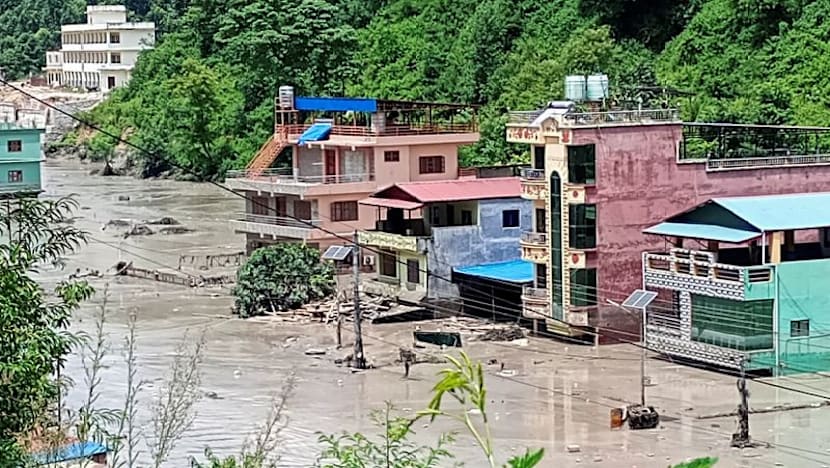
A massive wall of water, ice, mud, and rock barreled down Nepal's Bhote Koshi River valley, claiming over 270 lives and leaving hundreds missing. This devastating event, which unfolded on Aug 27, 2024, was a result of an enormous ice-and-rock landslide, though it initially resembled an earthquake. The landslide, believed to be the largest of its kind, caused a collapse in the glacier, which then triggered the deadly debris flow.
Experts emphasize that as glaciers worldwide, particularly in the Himalayas, continue to retreat due to climate change, the risk of such catastrophic events increases. Early warning systems could potentially mitigate future disasters, but these systems require significant investment, posing a challenge for developing countries like Nepal.
Written by urgent.news from Channel News Asia's reporting — not their text. Machine-written — may contain errors; check the original before relying on it.
This story
This is one outlet's version. Read the fullest account.
- Over 270 dead, 1,403 including foreigners missing as deadly floods hit Nepal dailypost.ng
- Floods in Nepal and Tibet: 'The disaster began with a landslide that swept a glacier along with it' lemonde.fr
- A mother's heartfelt plea for prayers for her daughter who is missing in Nepal iol.co.za
- Nepal floods: Rescue teams search for over 1,300 missing france24.com
- How a collapsing glacier may have caused the catastrophic Nepal floods globalnews.ca
- Nepal flash floods: 21 Indians from Tamil Nadu rescued, says Union Ministry of External Affairs thehindu.com
- (4th LD) 9 of 10 isolated S. Koreans moved to safety after devastating Nepal floods en.yna.co.kr
- Nepal flash floods: Hanging glacier collapse in focus, NDMA for hard look to reduce future risks indianexpress.com