Climate Change Will Reshape Malaria Prevalence Across Africa
As the continent warms, once cooler regions will become prime habitat for mosquitoes and their parasites, while in other regions, heat will lower disease transmission.
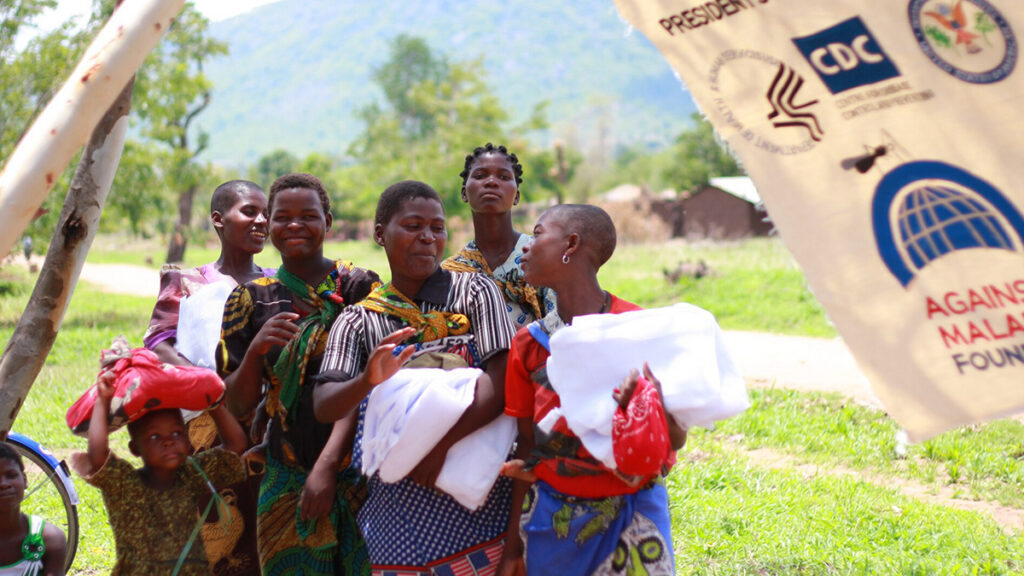
Climate change is altering the prevalence of malaria across Africa, according to a new study published in Nature. Malaria, a disease transmitted by mosquitoes and affecting around 250 million people annually, thrives in temperatures between 16°C and 34°C. Rising global temperatures have impacted where and how malaria spreads, but scientists have disagreed on the extent of climate change's role in reshaping malaria prevalence in Africa.
A new study sheds light on this debate by analyzing over 50,000 malaria surveys and decades of climate data spanning more than a century.
The study reveals that warming temperatures in sub-Saharan Africa have already made some areas too hot for malaria transmission, reducing malaria prevalence. Conversely, other regions have become more suitable habitats for mosquitoes and their parasites. Researchers anticipate this trend will continue, further altering malaria prevalence across the continent as climate change persists.
According to Tamma Carleton, an environmental economist at the University of California, Berkeley and coauthor of the study, "The story is really not [about] net aggregate effects across the large and diverse continent of Africa. This is a story about a shifting burden across space."
To assess climate change's impact on malaria prevalence, researchers employed methods from climate attribution research, typically used to determine the role of climate change in specific weather events. While these methods have improved in accuracy for weather events, they are not commonly applied to public health phenomena like malaria prevalence. Carleton emphasizes the additional complexities in linking historical anthropogenic emissions to observed health outcomes in health fields.
The researchers focused on childhood malaria prevalence, responsible for 95% of global malaria cases in children aged 2-10 in parts of central, eastern, southern, and western Africa. Their findings indicate that climate change has already reshaped malaria prevalence since 1901. In parts of Central, southern, and East Africa, human-caused climate change has slightly increased malaria prevalence, adding about 1 excess case per 1,000 children since 1901.
However, in West Africa, malaria prevalence has decreased due to hotter weather making the region unsuitable for transmission.
The changes are considered "modest" compared to the observed reductions in malaria prevalence resulting from eradication campaigns and economic development. Erin Mordecai, an infectious disease ecologist at Stanford University who was not involved in the research, notes that the paper's claims about climate change driving an increased malaria burden are nuanced.
"This may be subtly true, to a small extent, in some regions like southern and highland east Africa, where temperatures were previously sub-optimal. At the same time, even in these places, the effects of climate change are small" compared to other drivers such as malaria control programs.
Written by urgent.news from Eos's reporting — not their text. Machine-written — may contain errors; check the original before relying on it.