Nepal’s ‘Himalayan Tsunami’ Is a Warning for the Whole Region
Melting ice, unstable terrain, landslides, river blockages, sudden lake releases, and extreme weather can all combine in unpredictable ways.
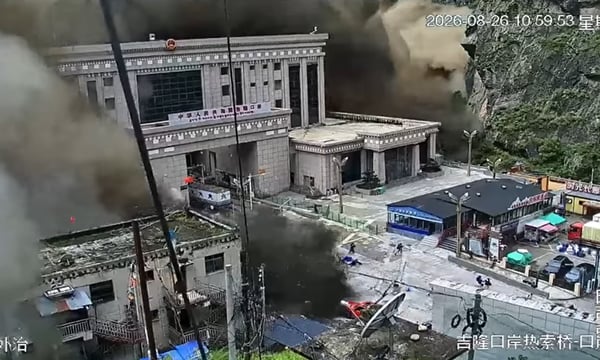
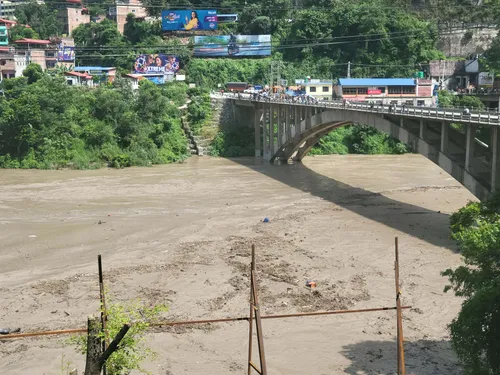
On August 26, the people of Nepal awoke to another typical day in Rasuwa, Nuwakot, Dhading, Gorkha, and Chitwan. However, disaster struck abruptly, transforming that morning into a nightmare. A catastrophic flood swept across the nation, beginning near the Nepal-China border. Entire villages were inundated, bridges collapsed, and communication networks were disrupted.
Over 30 bridges were destroyed, and 42 kilometers of roads were severely damaged or washed away. Rescue missions and recovery efforts were underway, with over 359 bodies recovered and thousands more missing. This disaster was a stark reminder of the growing threat posed by climate change in the Hindu Kush Himalayan region. The Bhotekoshi River, which typically flows at a steady pace, was overwhelmed by a torrent of water, leaving no trace of the terrain it once flowed through.
The damage, estimated at over 200 billion rupees, included destroyed roads, bridges, hydroelectric projects, and transmission lines. Nepal's government declared Rasuwa, Nuwakot, and Dhading districts disaster zones for three months. Meanwhile, in China, at least three people were killed, and more than 500 were reported missing, raising concerns about the potential for a second flood.
This event marked the second catastrophic flood in Rasuwa within a year, and it echoed a similar disaster in July 2025. Experts believe that a massive avalanche or landslide may have blocked a river, creating a temporary dam that eventually burst, leading to the devastating consequences. The flood was likely caused by a glacial lake outburst, a phenomenon that is becoming more frequent due to rising temperatures.
Rising temperatures are causing glaciers to melt, lakes to swell, and mountain slopes to become unstable. Conventional weather monitoring is no longer sufficient to predict these complex events. The flood highlights the interconnectedness of the affected regions, where a disaster in one country can have ripple effects across the Himalayan region.
With global warming altering the landscape, the risk of such disasters is expected to increase, posing significant challenges for national security and infrastructure.
Written by urgent.news from The Diplomat's reporting — not their text. Machine-written — may contain errors; check the original before relying on it.
This story
This is one outlet's version. Read the fullest account.