Chinese scientists discover that trees are producing ozone smog in Beijing
Beijing’s hundreds of thousands of weeping willows and poplars have been a welcome source of shelter from the fierce summer sun for more than four decades – but they may also be an unexpected source of pollution, according to new research. Scientists warned that this urban greenery may be “choking” the Chinese capital’s 20 million residents by increasing the levels of ozone in the city’s air.…
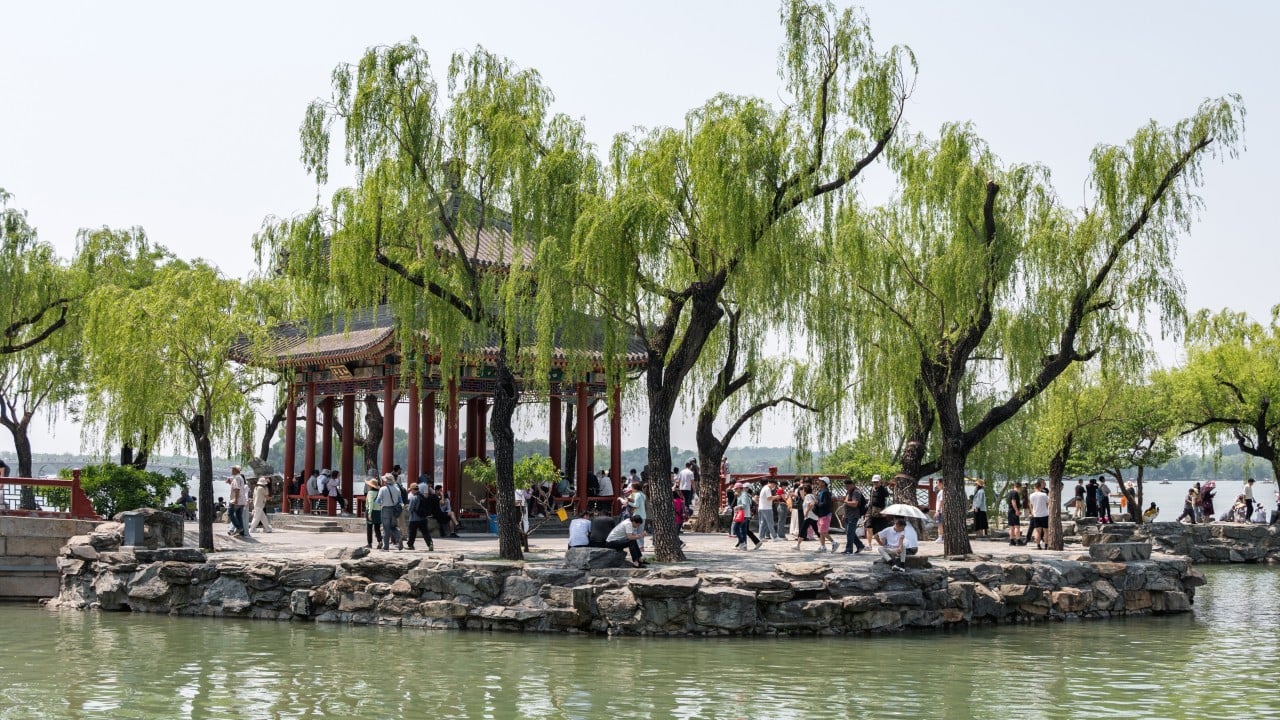
New research has uncovered an unexpected source of pollution in Beijing: the city's trees. Hundreds of thousands of weeping willows and poplars, long providing shade from the summer sun, may be contributing to the city's smog problem by producing ozone. Although ozone pollution from car exhaust has been recognized as a health issue since the 1940s, Beijing's unusually high levels puzzled researchers until an international team discovered the trees were the main culprit.
The team found that these trees release unusually high levels of isoprene, a volatile organic compound that reacts with nitrogen oxide from vehicles and factories to form ground-level ozone. While other cities face similar issues, Beijing has an unusually high proportion of isoprene-producing tree species like white poplars and weeping willows, making up about 35% of its urban greenery.
Despite their benefits, such as rapid growth and wind protection, these trees shed catkins in spring, causing respiratory and allergy problems. The study, published in Science Advances, found that Beijing's trees emit isoprene at the highest levels among urban observations worldwide, nearing the levels found in temperate forests.
Hot summers further exacerbate the problem, as plants produce more ozone when temperatures rise. While the research doesn't call for immediate tree removal, it suggests gradually increasing the proportion of other tree species in the city to reduce isoprene emissions. Replacing 10% of high-emissions trees with others could cut isoprene emissions by at least 29%.
The study emphasizes the need to balance urban greening with efforts to reduce vehicle and factory emissions, especially during hot seasons.
Written by urgent.news from Reuters Business via SCMP's reporting — not their text. Machine-written — may contain errors; check the original before relying on it.
This story
This is one outlet's version. Read the fullest account.