Chinese scientists discover that trees are producing ozone smog in Beijing
Beijing’s hundreds of thousands of weeping willows and poplars have been a welcome source of shelter from the fierce summer sun for more than four decades – but they may also be an unexpected source of pollution, according to new research. Scientists warned that this urban greenery may be “choking” the Chinese capital’s 20 million residents by increasing the levels of ozone in the city’s air.…
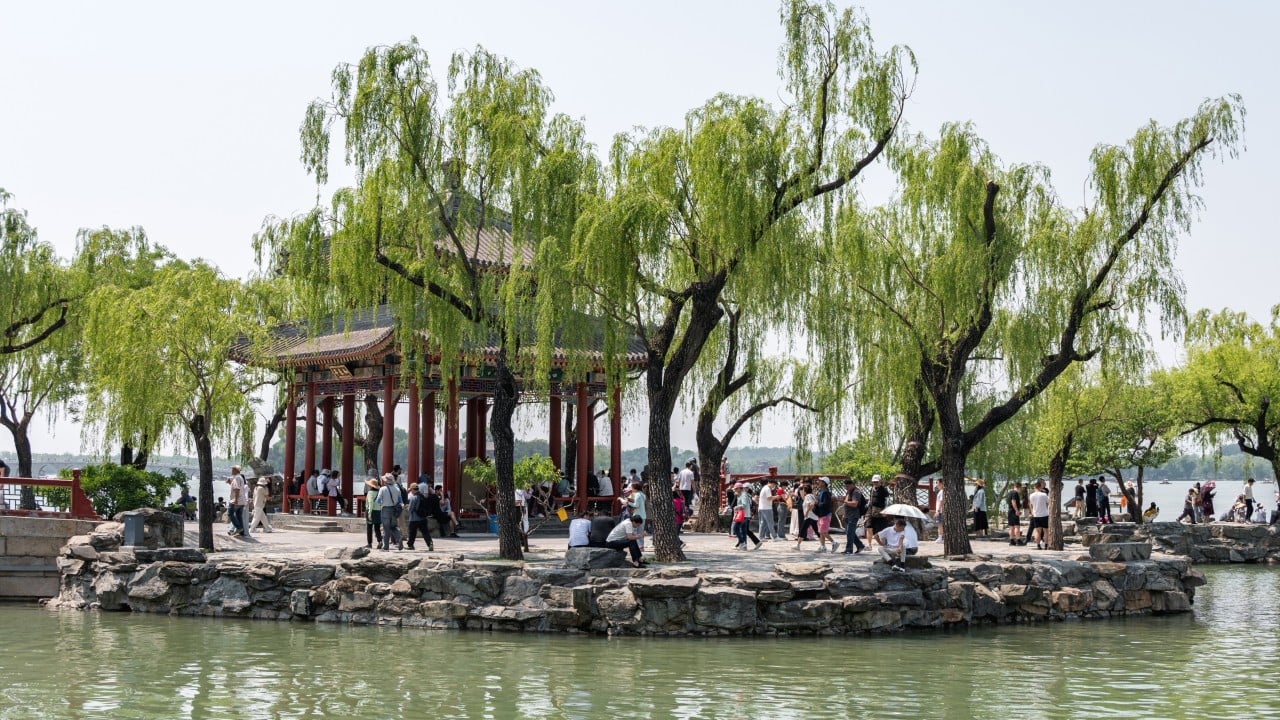
A recent study has revealed that trees in Beijing are contributing to the city's ozone smog problem. Beijing's greenery, which has provided shade for over four decades, may now be "choking" the city's 20 million residents by increasing ozone levels. While car exhausts have long been known to cause smog, scientists have now identified compounds released by the trees as the primary cause.
The international team of researchers from Jinan University in Guangzhou found that Beijing's urban greenery, particularly weeping willows and poplars, produce unusually high levels of isoprene, a volatile organic compound that reacts with nitrogen oxide from vehicles and factories to form ground-level ozone. Despite many cars in Beijing having gone electric, researchers discovered that the trees are generating far more smog than expected.
The city's authorities have been planting these species since 1979, with an estimated 284,000 poplar and willow trees planted in the urban area by the end of 2018. While these trees have benefits such as rapid growth and shade, they also cause seasonal problems due to shedding catkins in the spring. Research published in Science Advances found that Beijing's isoprene emission intensity from vegetation is the highest among existing urban observations, approaching levels observed in temperate forests.
The study suggests that replacing 10% of high-emissions trees with alternative species could reduce isoprene emissions by at least 29%, helping to alleviate future air-quality management challenges.
Written by urgent.news from South China Morning Post's reporting — not their text. Machine-written — may contain errors; check the original before relying on it.