Glaciers in the Alps are on track for record-breaking ice loss
Glacier loss could break the 2022 record after a series of heatwaves this summer, raising the risk of falling river levels and deadly ice avalanches
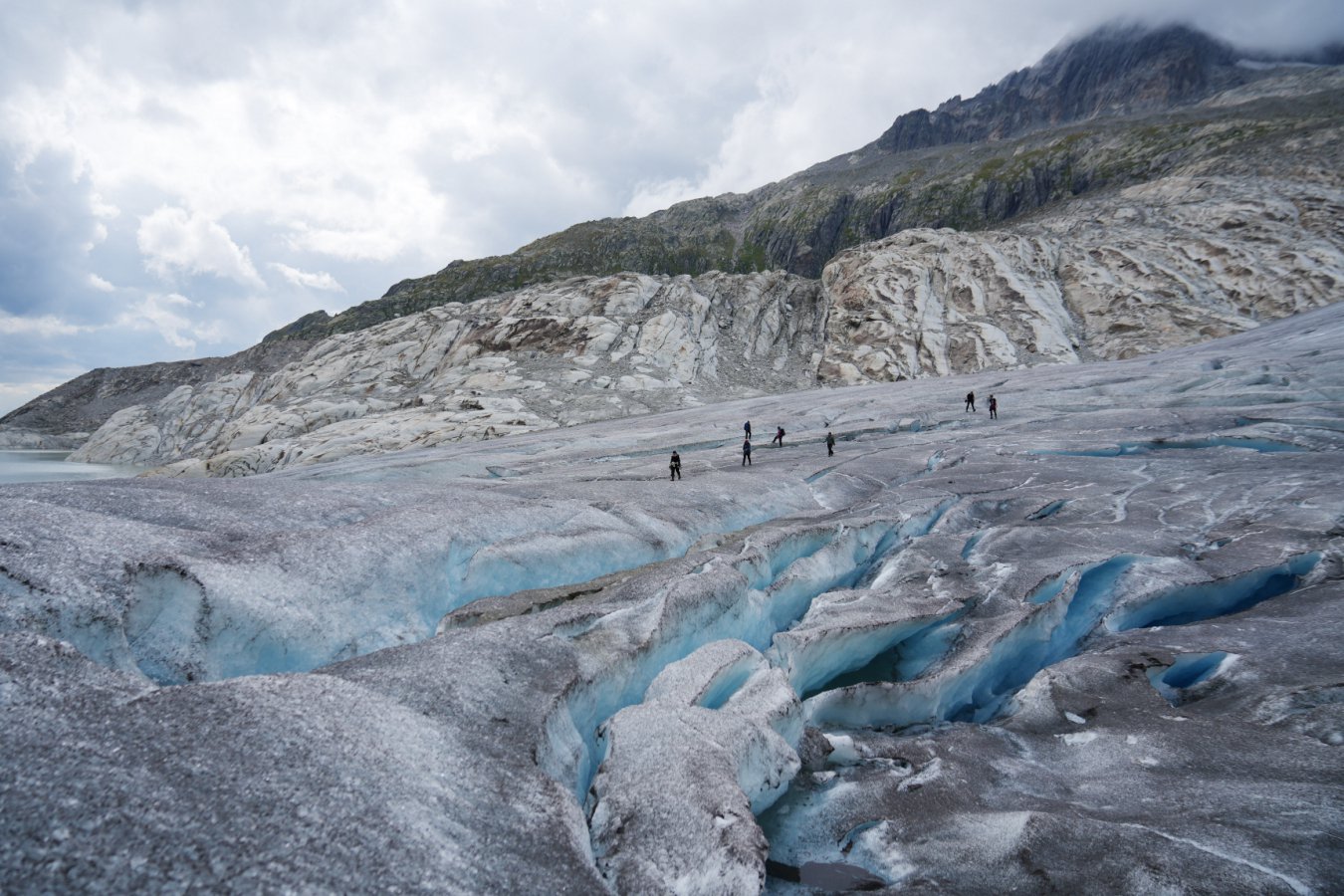
Glaciers across the Alps are experiencing record-breaking ice loss this year, with the Rhône glacier alone shedding enough ice to fill 12,000 Olympic-sized swimming pools. Climbing the glacier, 20-meter sections of ice felt unstable, and an aluminum tube protruding from the ice nearly tipped over. Andreas Bauder, an ETH Zurich researcher, observed that 2023 had seen far more melting than usual due to a series of European heatwaves, particularly the continent's worst heatwave in June.
As the weather finally cooled in mid-August, forecasters warned that temperatures may remain above average through autumn, potentially triggering another heatwave. If that occurs, glaciers in the Alps could experience record ice loss, possibly surpassing the 6% loss recorded in 2022. Over the past 50 years, more than 1,000 Swiss glaciers have vanished, and another 30 could disappear this summer, dubbed a "glacier massacre" by Swiss media.
The Rhône glacier has lost 30 million tonnes of ice this year, posing threats to major rivers, ski areas, and water resources. If current climate policies aren't implemented, over 97% of Alps glaciers may disappear by 2100, leaving only 5% of the Rhône glacier. This would severely impact water sources, including the Rhône river, which supplies hydroelectric power plants, irrigation for French wine regions, and millions of tonnes of goods transported by barge annually.
Written by urgent.news from New Scientist's reporting — not their text. Machine-written — may contain errors; check the original before relying on it.