Archaeologists Just Found a Fascinating Ancient Statue—Used as a Paving Stone in a Roman Road
The statue dates back 2,500 years, and offers researchers clues about the culture of the period The post Archaeologists Just Found a Fascinating Ancient Statue—Used as a Paving Stone in a Roman Road appeared first on Nautilus .
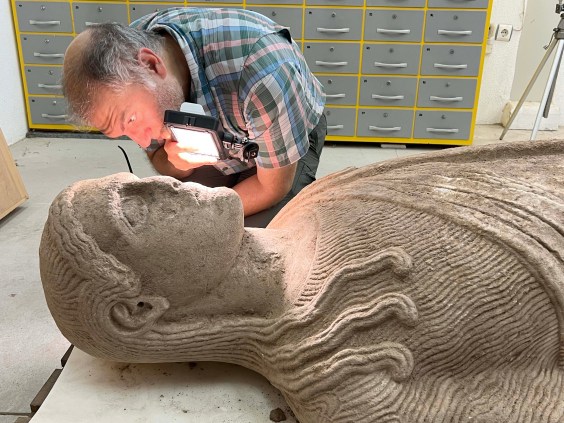
A 2,500-year-old marble statue discovered at the Sardis site in modern-day Turkey has intriguing origins. The statue, which measures 7 feet tall, was halved and used as a paving stone in a Roman road. The archaeologists, led by Nicholas Cahill, noted its unique features and the fact that it was placed face down along the Roman colonnaded avenue.
The figure depicted on the statue wears a Greek chiton, a mantle, and long, coiffed hair, but its clothing style appears to be from a century earlier than the estimated construction date of 470-450 BCE. This suggests the sculptor was either intentionally looking back to their own cultural past or was influenced by contemporary Mediterranean and Anatolian styles.
The identity of the statue's subject and its original significance remain a mystery. It is believed that the statue may have been placed near the sanctuary of the native mother goddess Cybele, a significant spot in Sardis. However, the lack of written records from the Lydians complicates our understanding of the statue's meaning.
Written by urgent.news from Nautilus's reporting — not their text. Machine-written — may contain errors; check the original before relying on it.