THE CONVERSATION: Urban foraging is a growing trend that calls for better planning
Urban foraging is gaining popularity in South African cities, offering food, cultural connection and wellbeing. Research suggests municipalities could support it by creating dedicated foraging spaces and clear rules that protect both people and biodiversity.
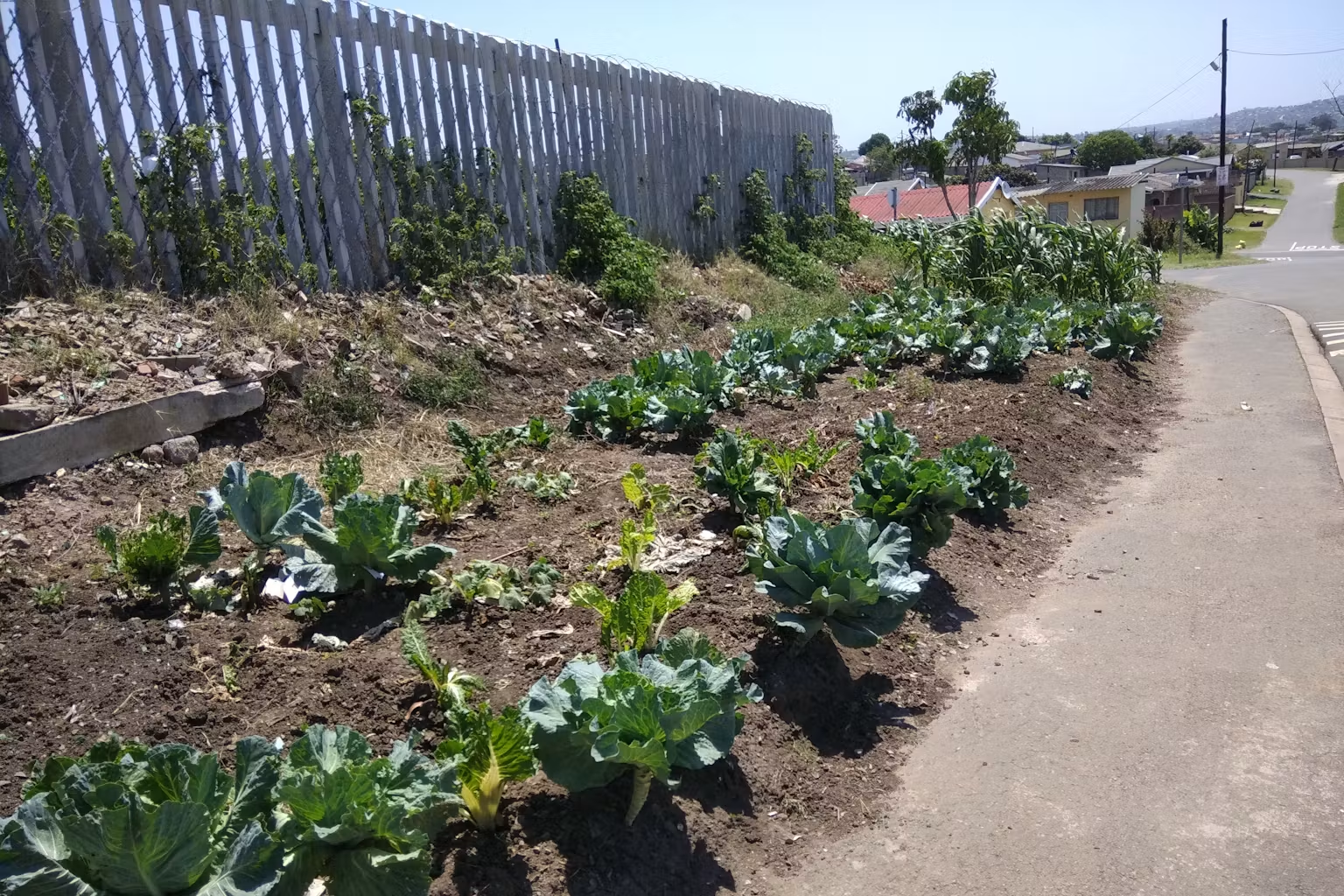
Urban foraging, the practice of gathering wild plants and animals in cities, is gaining traction in South Africa. This trend offers various benefits, such as access to fresh and nutritious food, cultural connections, and improved wellbeing. However, it requires better planning and regulation to ensure sustainability and protect both the environment and biodiversity.
Researchers have identified four main urban green spaces that can be managed for sustainable foraging: communal residential gardens and yards, public street sides and verges, public parks and gardens, and nature reserves. While foragers often gather plants from vacant land and roadsides, public spaces are generally preferred to avoid potential penalties.
To promote sustainable urban foraging, municipalities should co-design spaces for this purpose and establish clear guidelines in collaboration with local communities. For example, planting resilient species like wild plums, wild date palm, Num-num, and Kei apple could provide foraging opportunities while contributing to the environment and community wellbeing.
Furthermore, updated guidelines on species selection, harvesting practices, and plant protection are essential. Public engagement, such as signboards, talks, and guided walks, can also help raise awareness and ensure responsible foraging practices.
Written by urgent.news from Daily Maverick's reporting — not their text. Machine-written — may contain errors; check the original before relying on it.