Rats, drought compound woes for Central Java farmers
Authorities said the surge in the rat population was partly driven by a prolonged dry season, which has allowed dense scrub to grow and provide shelter for the pests.
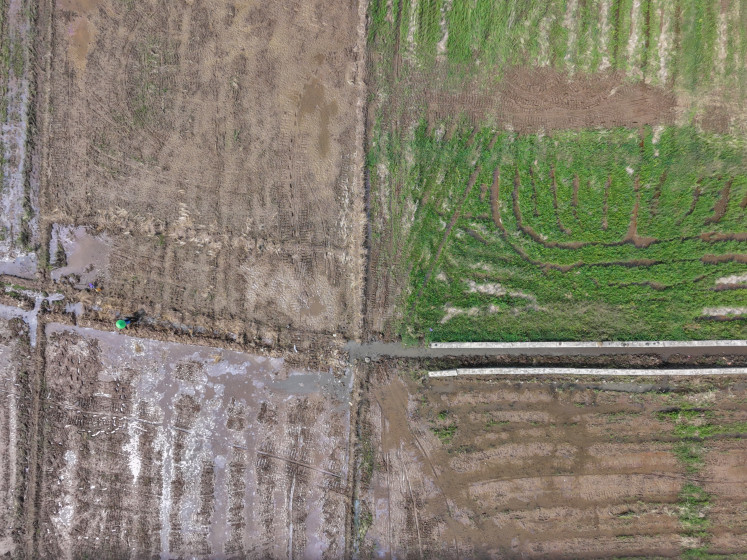
Central Java farmers face mounting challenges as a combination of factors threatens their crops. A prolonged drought has allowed dense scrub to grow, providing shelter for a rapidly expanding rat population. This surge in rats is destroying staple crops like rice, corn, chili peppers, shallots, eggplant, tomatoes, and fruit trees.
In Semarang, about 1,050 hectares of rice fields have been affected, putting rice yields at risk. Government agencies have implemented various measures to combat the infestation, such as clearing weeds, organizing mass rat hunts, and encouraging simultaneous farming. They have also constructed around 100 owl houses to encourage natural predators of rats to return.
However, the program has proven ineffective due to the sharp decline in wild owl populations, which have been affected by hunting and habitat loss. The disruption of the ecosystem, stemming from the decline of natural predators, has enabled rat populations to grow unchecked.
Written by urgent.news from The Jakarta Post's reporting — not their text. Machine-written — may contain errors; check the original before relying on it.