Is ‘resource curse’ to blame in regions hit harder by Xi’s anti-corruption campaign?
The South China Morning Post has launched a major data project diving into President Xi Jinping’s signature anti-graft campaign. In the third part of a series accompanying the data project, William Zheng looks at the relationship between rich regional resources and corruption. Beneath the desolate Gobi Desert and sparsely populated mountains of China’s less developed regions lie abundant mineral…
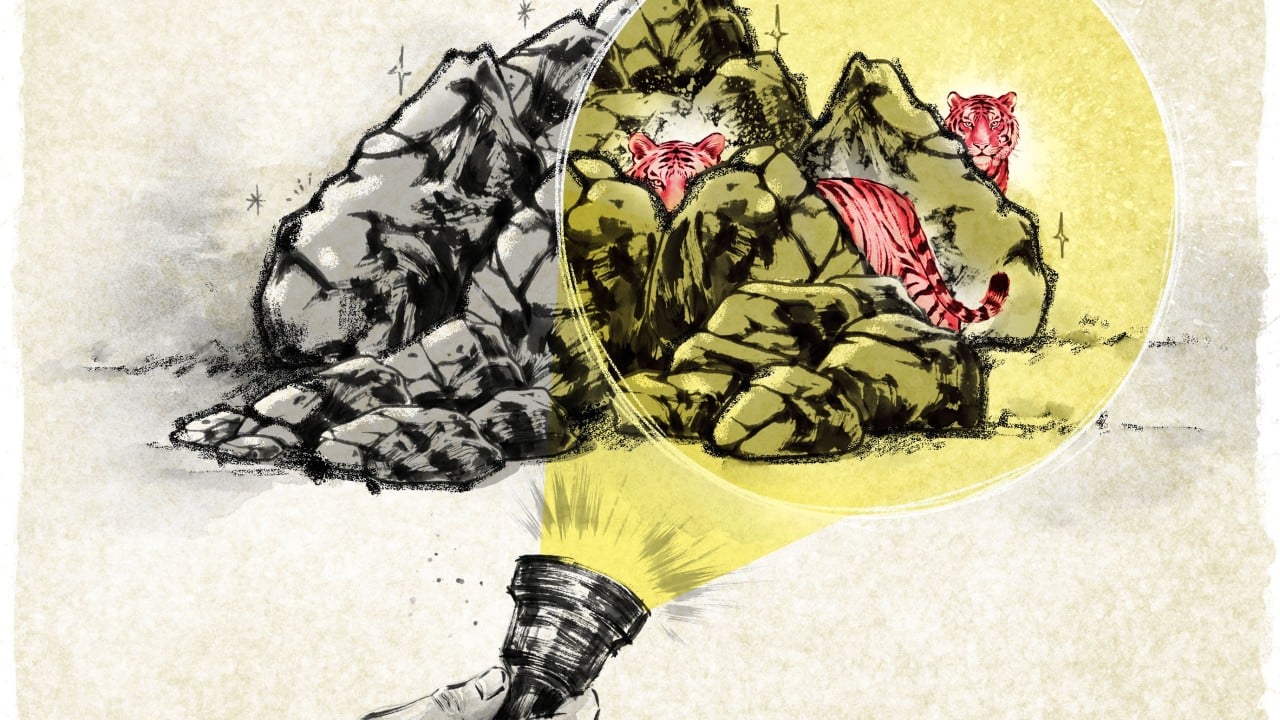
According to the South China Morning Post's data project, President Xi Jinping's anti-graft campaign has disproportionately affected regions in China rich in natural resources and border areas. The research found that these resource-abundant regions, including Jiangxi, Liaoning, Inner Mongolia, Shanxi and Hebei, have seen the highest number of senior officials sacked for corruption during the past decade.
In particular, Jiangxi province, known for its rich mineral resources like rare earth minerals and tungsten, had the highest number of senior corruption crackdowns, with 15 officials targeted. Similar high-profile cases were found in Liaoning, Inner Mongolia, Shanxi and Hebei. The SCMP's research suggests that regions with abundant natural resources or substantial financial support from the central government are more susceptible to corruption, indicating a "resource curse" effect.
Written by urgent.news from Reuters Business via SCMP's reporting — not their text. Machine-written — may contain errors; check the original before relying on it.
This story
This is one outlet's version. Read the fullest account.