Commentary: NDR 2026 – why a higher BTO income ceiling isn’t just a housing policy adjustment
While its core objective is to ensure affordable housing, public housing also fulfils another equally important policy objective of encouraging family formation, says Lee Kuan Yew School of Public Policy’s Woo Jun Jie.
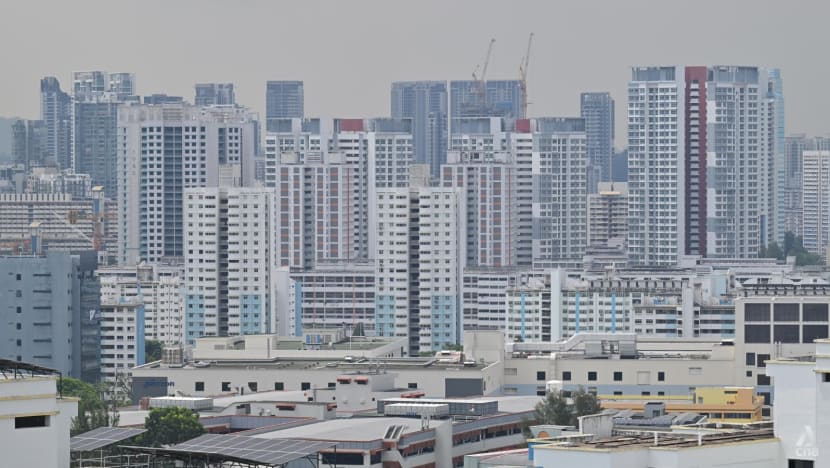
The recently raised income ceiling for Build-to-Order (BTO) flats in Singapore may appear to be a minor change to the existing housing policy. However, it represents a crucial step in the government's broader strategy to encourage family formation. The new monthly household income limit for purchasing new HDB flats will be S$16,000, up from the previous S$14,000. This adjustment aims to maintain access to subsidised public housing as incomes continue to rise.
The median monthly household income in Singapore increased to S$12,446 in 2020, up from S$9,232 in 2019. This rise in income levels, coupled with the periodic reviews of the BTO income ceiling, ensures that more Singaporean couples can remain eligible for affordable public housing. In the past, the eligibility threshold was increased over time, most recently by S$2,000 in 2015 to keep pace with income growth.
The rise in income ceiling directly addresses the challenge of households earning just above the previous threshold, who are considered too affluent to qualify for public housing but may still struggle to afford private homes. Additionally, it helps prevent potential issues in the HDB resale market, where property prices have seen significant increases due to the pandemic and subsequent market adjustments.
Beyond its housing policy implications, this adjustment aligns with the government's focus on supporting family growth, a theme prominently featured in the National Day Rally. Alongside increased childcare leave and financial support amounting to nearly S$70,000 per Singaporean child, the higher BTO income ceiling reinforces the dual purpose of public housing: providing affordable housing and fostering family formation.
The increased eligibility for BTO flats will likely lead to higher demand for these properties, potentially impacting the upcoming November BTO exercise and application success rates. However, the government has indicated plans to launch more homes than initially committed and has reported encouraging results in increasing housing supply, including higher success rates for BTO bookings and stabilisation in the resale market.
In conclusion, while the housing policy alone cannot single-handedly encourage higher birth rates, addressing concerns about affordable housing is essential for family planning decisions. The recent policy changes demonstrate the government's commitment to ensuring that Singaporeans can secure affordable homes, thereby supporting family formation and growth.
Written by urgent.news from CNA - Singapore's reporting — not their text. Machine-written — may contain errors; check the original before relying on it.
This story
This is one outlet's version. Read the fullest account.