Is ‘resource curse’ to blame in regions hit harder by Xi’s anti-corruption campaign?
The South China Morning Post has launched a major data project diving into President Xi Jinping’s signature anti-graft campaign. In the third part of a series accompanying the data project, William Zheng looks at the relationship between rich regional resources and corruption. Beneath the desolate Gobi Desert and sparsely populated mountains of China’s less developed regions lie abundant mineral…
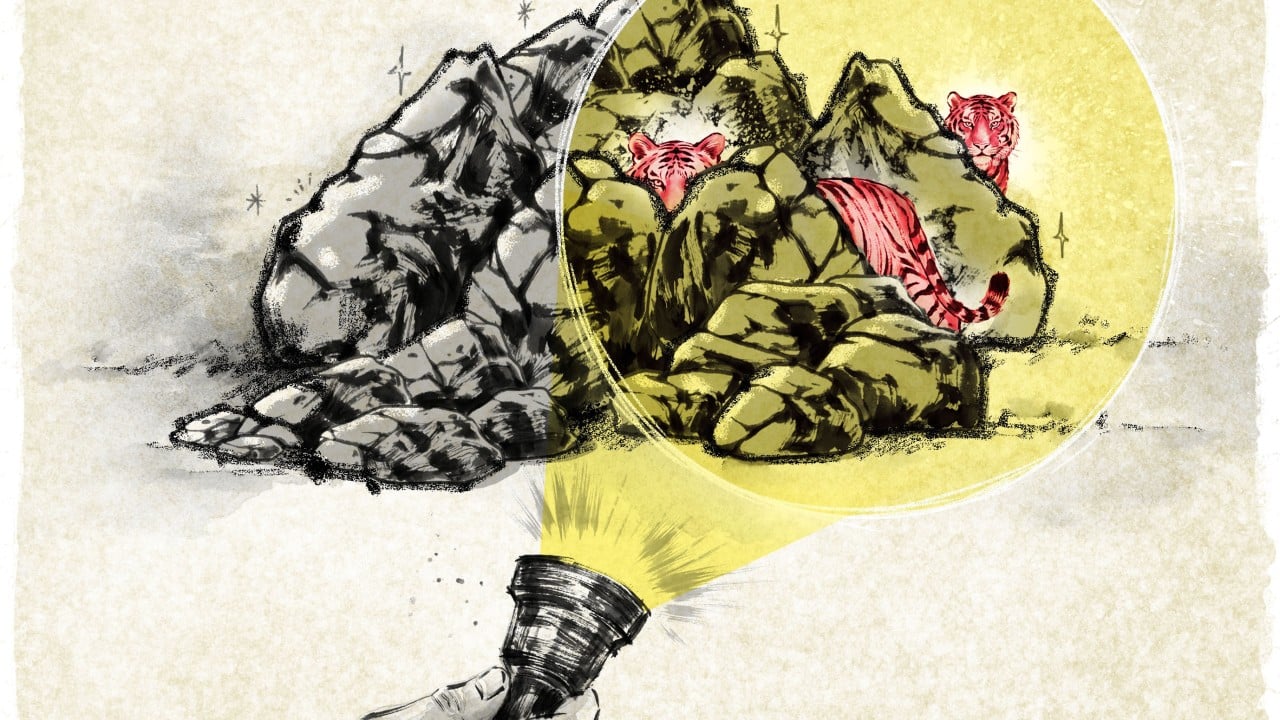
The South China Morning Post (SCMP) has conducted a comprehensive study on the relationship between China's rich natural resources and the country's anti-corruption campaign led by President Xi Jinping. The research reveals that regions with abundant minerals, such as Jiangxi, Liaoning, Inner Mongolia, Shanxi, and Hebei, have been the hardest hit by the decade-long crackdown.
According to the SCMP's data, these mineral-abundant areas saw the highest number of senior officials dismissed for corruption, with Jiangxi topping the list at 15 officials. Former Jiangxi Communist Party boss Su Rong and Liaoning party boss Wang Min were among the highest-ranking officials caught up in the corruption sweep. Both were sentenced to life imprisonment for taking large bribes in exchange for promotions, government contracts, and land rights.
The SCMP's findings also suggest that regions receiving the highest per capita financial support from the central government, including autonomous regions with large ethnic minorities, experience a higher toll per capita in terms of corruption cases. The research indicates that regions with rich natural resources or large sums of financial aid from the central government are more susceptible to rent-seeking behavior, making them attractive targets for anti-graft fighters in Beijing.
Inner Mongolia, Shanxi, and Hebei, which are among China's leading coal-production zones, ranked third with 13 officials caught in corruption investigations. The "looking back 20 years" anti-graft initiative, launched in 2020, targeted Inner Mongolia due to an extraordinary concentration of wealth and a frenzy in the resale of state-owned mineral resources at artificially low prices.
The initiative led to more than 730 corruption cases in Inner Mongolia's coal sector and the recovery of over 52 billion yuan in economic losses.
Written by urgent.news from South China Morning Post's reporting — not their text. Machine-written — may contain errors; check the original before relying on it.