Scientists turn plastic bottles and corn waste into protein-rich cookies
Researchers at Southern Illinois University Carbondale are developing protein-rich cookies made using plastic waste and agricultural waste. Called µBites, the cookies use PET plastic from bottles and discarded corn stalks and leaves. Programmed yeasts convert processed waste into proteins, fats, acids and flavouring molecules. The NASA-linked project is aimed at developing food for…
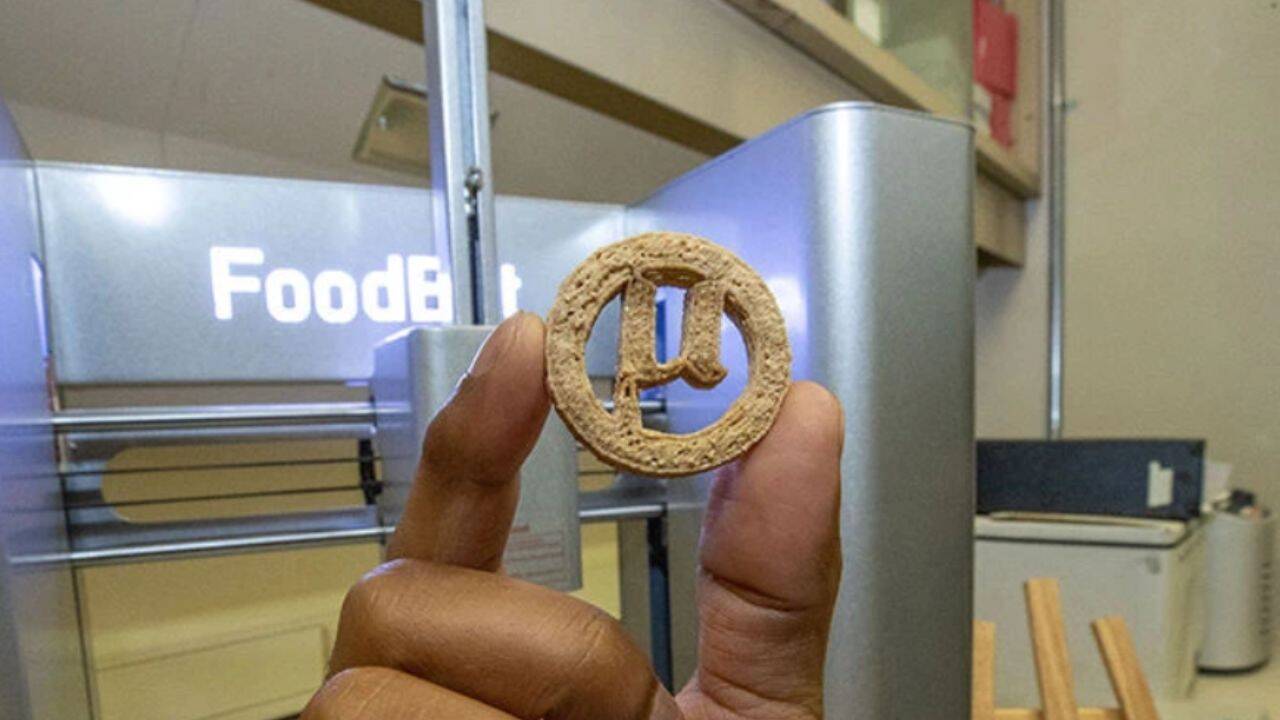
Scientists from Southern Illinois University Carbondale are developing a novel method to transform plastic bottles and corn waste into protein-rich cookies. The process involves using specially programmed yeasts to convert materials from plastic waste and agricultural waste into proteins, fats, acids, vitamins, and flavoring molecules.
The primary ingredients utilized in these cookies include polyethylene terephthalate (PET) plastic, commonly found in soda and water bottles, as well as discarded corn stalks and leaves. This innovative approach not only addresses the issue of plastic waste but also has the potential to alleviate food shortages.
The project, named µBites, was recently presented at the American Chemical Society's fall meeting in Chicago. Funded by NASA's Deep Space Food Challenge and a National Science Foundation Faculty Early Career Development Program grant, the research team is working to create food products using carbon-rich molecules found in plastic waste.
By employing a technique called oxidative hydrothermal dissolution, PET plastic, along with discarded corn plant material and other biomass, is broken down into smaller pieces that can be consumed by microbes.
In a unique biological process, the fragmented waste is given to programmed yeasts, which have been engineered to rebuild the waste material into food-related compounds. These yeasts produce proteins, fats, and acids, which are then combined with other ingredients such as fiber, starch, and sweetener. The mixture is processed through a 3D printer to create the cookie's shape.
While the cookies have passed safety testing and are deemed safe for human consumption, the research team is still awaiting institutional approval before conducting formal taste tests. Initial responses from participants suggest that they would be willing to eat these cookies in emergency situations where food and resources are limited.
The researchers aim to enhance the cookies further by incorporating additional flavors and nutrients produced by microbes. Ultimately, their goal is to create a product that could be chosen for consumption rather than being limited to emergency situations. The technology could also prove beneficial for space missions, where transporting large quantities of food is challenging, and could potentially be used in submarines and future human settlements on the Moon or Mars.
Further development is ongoing, with the researchers hoping to have the cookies ready for public consumption within a few years.
Written by urgent.news from Times of India's reporting — not their text. Machine-written — may contain errors; check the original before relying on it.
This story
This is one outlet's version. Read the fullest account.
- Scientists Turn Plastic Waste Into Edible Cookies Because That’s the Future We Deserve futurism.com
- Scientists made edible cookies out of plastic mashable.com
- Scientists turn plastic waste into edible cookies economictimes.indiatimes.com