Scientists Turn Plastic Waste Into Edible Cookies Because That’s the Future We Deserve
Nothing goes to waste. The post Scientists Turn Plastic Waste Into Edible Cookies Because That’s the Future We Deserve appeared first on Futurism .
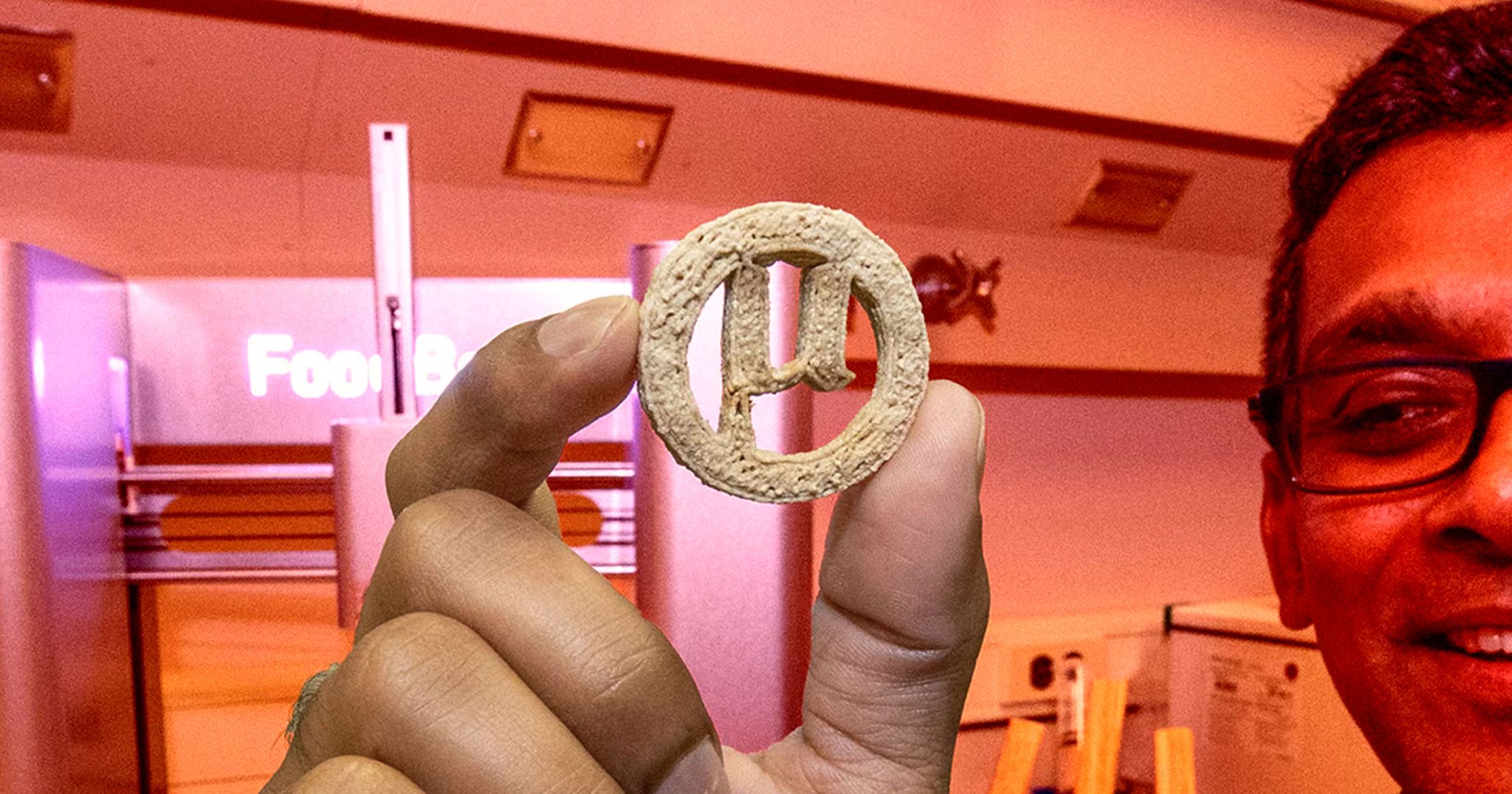
In a groundbreaking study, scientists from Southern Illinois University Carbondale have demonstrated that plastic waste can be turned into edible cookies using specially engineered yeast and a 3D printing process. The yeast breaks down plastic compounds and agricultural byproducts into proteins, fats, acids, and flavorings that can be consumed. The researchers then feed this mixture into a 3D printer to create shapes like the Greek letter µ, which they call "µBites" or micro bites.
The yeast utilized in the study is a genetically modified strain that specifically targets polyethylene terephthalate (PET), a common form of plastic found in water bottles, food packaging, and clothing. Before the yeast can consume the PET plastics, they undergo oxidative hydrothermal dissolution to break them down into smaller pieces that the microbes can digest.
One advantage of this method is its environmentally friendly approach, relying only on heat, water, and oxygen to break down the plastic. Once the plastic has been processed, the yeast converts it into a slurry of proteins, fats, and acids that are combined with fiber, starch, and sweetener to create palatable cookies.
While this innovative technique could potentially address both food insecurity and plastic waste problems, it remains an expensive process, costing around $60 to produce a kilogram of cookies. Furthermore, some experts argue that 3D-printing and consuming edible cookies won't be a realistic solution to the global plastic waste crisis.
Despite these challenges, the researchers believe that their work may have more niche applications. Funded in part by NASA's Deep Space Food Challenge, the study could potentially be used to feed astronauts during long missions to distant planets like Mars.
Written by urgent.news from Futurism's reporting — not their text. Machine-written — may contain errors; check the original before relying on it.
Also reported by 3 other outlets
- Scientists turn plastic bottles and corn waste into protein-rich cookies timesofindia.indiatimes.com
- Scientists made edible cookies out of plastic mashable.com
- Scientists turn plastic waste into edible cookies economictimes.indiatimes.com