New Sinopec boss presses reset for world's biggest oil refiner
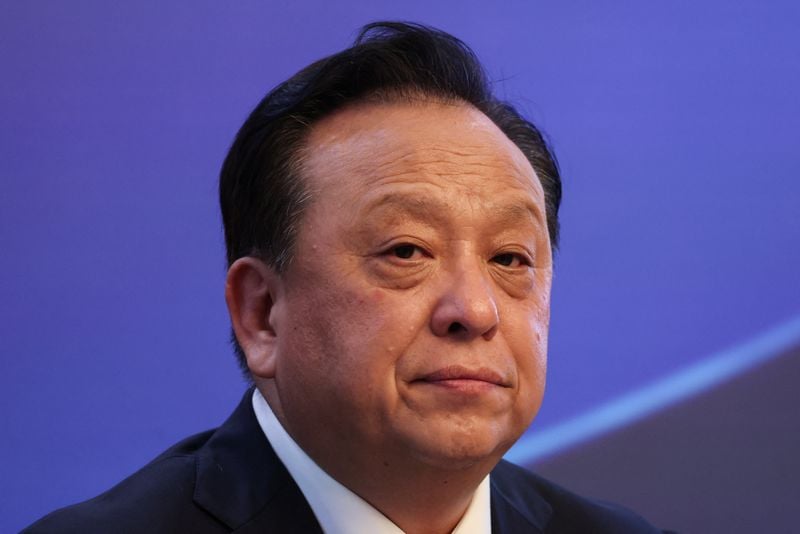
Sinopec's new chairman, Hou Qijun, is determined to revitalize the world's largest oil refiner amidst a shrinking fuel demand, overcapacity in petrochemicals and the world's worst oil crisis. Upon becoming chairman a year ago, Hou introduced a major overhaul, dividing the company into four profit centers: oil, gas and new energy, refining and chemicals, finance and strategic new business, and a segment merging global trading with Sinopec's extensive marketing teams for fuel, natural gas and chemicals.
Hou explained his vision for a revolutionary transformation in a government magazine in July. The main obstacles to this change lie in institutional inertia, not technology or market conditions, he said. As Sinopec expands, its ability to adapt to market changes wanes, struggling with the "big company syndrome."
Sinopec's fuel sales have plummeted to 2017 levels and it faces a daunting challenge to retain its domestic market share, according to the SASAC publication cited by Reuters. Despite being among the few SOE executives nearing retirement who still show energy and desire to bring about changes, Hou is often seen as a mission-driven individual, focused on salvaging Sinopec.
Sinopec reported a 19% rise in net profit for the first half of 2026, despite being heavily impacted by oil supply disruptions due to the Iran war and government restrictions on passing higher oil prices to consumers. The company sells around 3.6 million barrels of gasoline and diesel daily, mostly domestically, a figure that becomes a liability as demand for transport fuels declines with the increased adoption of electric vehicles.
Hou emphasized the need to shift towards producing chemical materials in the long run, as traditional gasoline and diesel production will become less profitable. He plans to allocate approximately 20% of Sinopec's capital spending, or over $4.46 billion annually, to investing in new energy and materials from 2026 to 2030. Among these investments, the company aims to develop new energy and sustainable aviation fuel, while also working to reduce refining costs.
Written by urgent.news from Yahoo Finance's reporting — not their text. Machine-written — may contain errors; check the original before relying on it.
This story
This is one outlet's version. Read the fullest account.