‘Children were in pieces’: memories still raw 6 months after Iran school strike
For months, Masoumeh Zakeri has endlessly replayed the last night she spent with her nine-year-old daughter before she was killed in a strike on her school during the opening hours of the US-Israel war with Iran. Motahreh excitedly talked about coming holidays, planned weddings and the clothes she wanted to buy. She had a Ramadan pre-fast meal shortly before dawn and then Zakeri tucked her into…
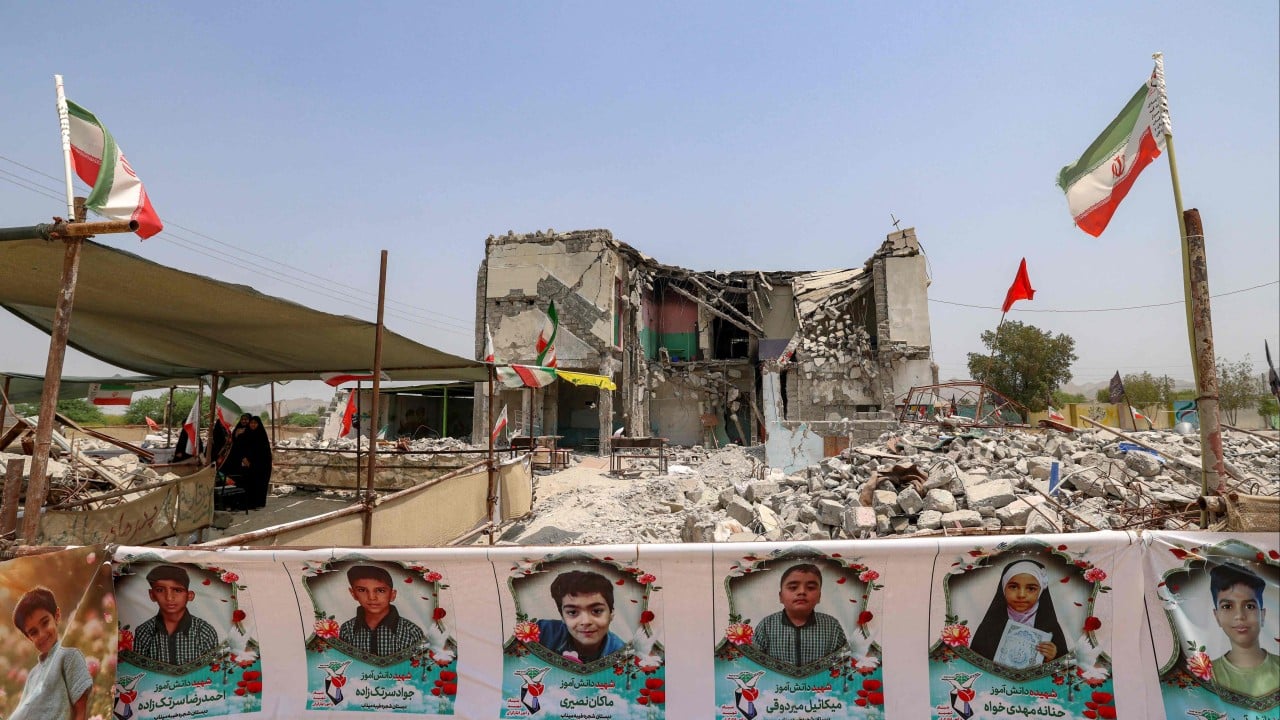
Six months have passed since the tragic school strike in Iran's Minab, where 155 people, mostly children, lost their lives. Masoumeh Zakeri, a mother, recounted the final moments with her daughter Motahreh before the attack. Motahreh excitedly spoke about holidays, weddings, and clothes, unaware that her life would end that day.
Zakeri, who arrived at the school too late, found her daughter only by her earrings and bracelet. The school, a scene of utter devastation, remains largely in ruins with portraits of the deceased adorning the surroundings. The US, Israel, and rights groups have all been accused of involvement, though no official claim has been made.
The bombardment has largely ceased since an April ceasefire, but diplomatic efforts to end the war remain unsuccessful. Families continue to visit the cemetery where the children are buried, finding solace in the shared grief. The site, once a military base, now serves as a memorial to the innocent lives lost. The emotional scars remain raw, with parents struggling to move forward and imagine a future beyond the lost ones.
Written by urgent.news from South China Morning Post's reporting — not their text. Machine-written — may contain errors; check the original before relying on it.
This story
This is one outlet's version. Read the fullest account.
- Six months into Iran war, almost half of global oil flows from war zones brecorder.com
- Six months into Iran war, almost half of global oil flows from war zones al-monitor.com
- Manus on Markets: Could US sanctions against Iran shake the global financial system? thenationalnews.com
- Six months into Iran war, almost half of global oil flows from war zones investing.com