Six months into Iran war, almost half of global oil flows from war zones
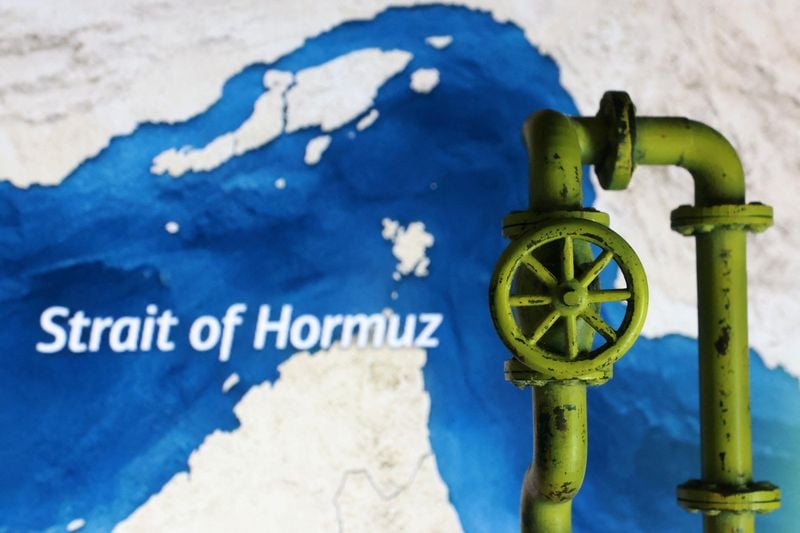
As of six months into the ongoing Iran conflict, almost half of the world's oil flows from regions affected by various conflicts. According to calculations by Reuters, this includes countries in the Middle East and Eastern Europe, with oil production from these areas accounting for over 43% of global supply. At the onset of the crisis, U.S. and Israeli strikes on Iran, coupled with the Russia-Ukraine war, have led to significant supply disruptions.
This includes production cuts in Kazakhstan and ongoing tensions in Libya, as well as U.S. restrictions on Venezuelan oil exports. The current Gulf oil disruption, primarily due to attacks in the Red Sea and Gulf exporters circumventing the Strait of Hormuz, is estimated to range between 5 million to 7 million barrels per day. However, high risks persist, as recent incidents in the Red Sea and the Suez Canal demonstrate.
Conflicts in the Gulf and Ukraine have also reduced global refining capacity by approximately 10%, as Ukraine has targeted Russia's refining network, including plants far from Ukrainian-held territory. Russia is facing fuel shortages and has banned gasoline and diesel exports, exacerbating global fuel markets. Rising fuel prices have fueled inflation, driving up borrowing costs and pushing the U.S. debt to a record $40 trillion.
To mitigate the supply shock, the International Energy Agency (IEA) has released emergency stockpiles, though these efforts are largely completed. Despite peak capacity at refineries, U.S. diesel prices have reached record highs.
Written by urgent.news from Investing.com's reporting — not their text. Machine-written — may contain errors; check the original before relying on it.
This story
This is one outlet's version. Read the fullest account.
- Six months into Iran war, almost half of global oil flows from war zones brecorder.com
- Six months into Iran war, almost half of global oil flows from war zones al-monitor.com
- ‘Children were in pieces’: memories still raw 6 months after Iran school strike scmp.com
- Manus on Markets: Could US sanctions against Iran shake the global financial system? thenationalnews.com