Automation and repression — why the two go hand in hand
Redistribution or repression? Which one will be the response to AI and automation?
Wealth inequality and political corruption are pressing issues in the United States. Billionaires are constructing fortified shelters, anticipating future social unrest. Nick Hanauer, a US tech entrepreneur, warned in 2014 that pitchforks would eventually follow extreme wealth accumulation. Former president of Google China, Kai-Fu Lee, stated in 2022 that automation could lead to social upheaval, political collapse, and unemployment.
A recent paper titled "Automation and Repression" by Daron Acemoglu, Mehdi Shadmehr, and Arda Gitmez suggests that political leaders will likely choose between redistribution or repression to mitigate the threat of a revolt against automation. Greater automation makes repression more attractive, as the tax burden on capitalists will increase with more automation, making repression, with a fixed cost, more appealing than redistribution, which keeps increasing in cost as automation progresses.
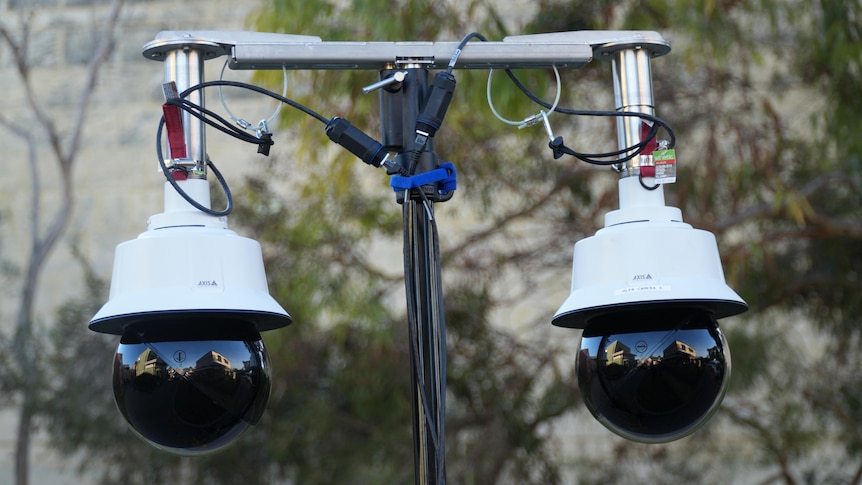
The paper also notes that democratic decision-making will become less acceptable to capitalists as the capital stock grows, potentially leading to an anti-democratic coup. Recent events, such as the Australian data center and AI boom, growing public backlash against the technology, and the increasing use of surveillance tools by the state, highlight the relevance of this analysis.
Written by urgent.news from ABC News AU's reporting — not their text. Machine-written — may contain errors; check the original before relying on it.