Ancient Dental Plaque Reveals Osaka Commoners Ate Prized Fish and Taboo Meat
Learn how proteins trapped in ancient plaque revealed that Osaka commoners ate prized sea bream, distant fish, and taboo meat.
In late Edo-period Osaka, itinerant fish vendors delivered fresh catches to residential neighborhoods, including high-grade red sea bream as seasonal gifts. Despite the taboo against eating four-legged animals, wild meat like deer and wild boar was consumed as medicinal food. However, the diets of ordinary residents were not well-documented.
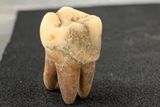
Now, hardened dental plaque from eight adults buried in a cemetery for commoners reveals that these foods reached them too. Red sea bream proteins were found in six people, indicating their consumption. Cold-water fish from outside the region and wild meat were also identified in their teeth, despite the taboo. The study, published in Anthropological Science, suggests that the food trade earned Osaka the nickname "Kitchen of the Realm."
Written by urgent.news from Discover Magazine's reporting — not their text. Machine-written — may contain errors; check the original before relying on it.
This story
This is one outlet's version. Read the fullest account.