The Kitchen of the Realm: Even the Commoners Ate Well in Ancient Osaka
But their dental hygiene may leave something to be desired The post The Kitchen of the Realm: Even the Commoners Ate Well in Ancient Osaka appeared first on Nautilus .
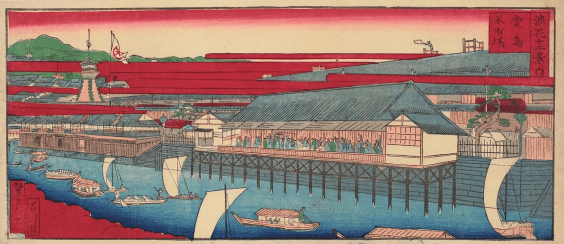
Even the commoners of ancient Osaka enjoyed a well-rounded diet, according to a recent study published in Anthropological Science. This revelation comes from examining the dental plaque of eight individuals buried in the Umeda Cemetery. Through sequencing proteins from this tartar, researchers identified 38 dietary proteins from 17 different sources.
One notable finding was the consumption of various fish, including nine kinds like tonguefish and red sea bream, considered a luxury item during Japan's isolationist Edo period (1603-1868). Interestingly, proteins from fish not native to Osaka Bay, likely transported through long shipping routes, were also detected. The commoners' diets also included terrestrial mammals, despite a formal taboo against eating their meat, which was sometimes permitted for medicinal reasons.
Additionally, they consumed cottonseed oil, widely cultivated around Osaka, used for everyday cooking needs. While the sample size is small (just eight individuals), the analysis suggests that the commoners in Osaka enjoyed a diverse and relatively well-balanced diet. This dietary abundance may explain why the city earned its historic nickname: "the Kitchen of the realm."
Written by urgent.news from Nautilus's reporting — not their text. Machine-written — may contain errors; check the original before relying on it.
This story
This is one outlet's version. Read the fullest account.