Does 'rewilded' land need better wildfire prevention measures?
RSPB is considering measures it can take to improve resilience in the wake of a five week long fire
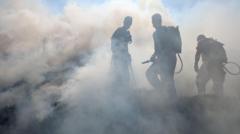
As the author drives through the remnants of a massive fire in the Cairngorms, they notice smoke rising from the ground. The site manager at the Abernethy nature reserve, Ben Oliver-Jones, explains that these burning areas are still being dealt with after a week since the fire was extinguished. The fire destroyed over 2,500 hectares of moorland and forest, forcing the evacuation of a village and leaving its smoke visible 60 miles away.
Rewilding, or ecological restoration, is a controversial process that Scotland's estates are adopting to make their land more resilient to wildfires. The RSPB Scotland acknowledges that fire breaks need to be wider and wider, and they have started widening the network of forest trails. They also plan to create more ponds and wet areas for fire fighting, restore peatland, and plant broadleaved trees, which contain less flammable material than pines.
The Scottish government is currently introducing licenses for muirburn, while RSPB Scotland does not practice it but accepts that fuel load management is necessary.
Written by urgent.news from BBC Science's reporting — not their text. Machine-written — may contain errors; check the original before relying on it.