Russian researchers develop hybrid compounds to combat oxidative stress
A team at Perm University has created highly effective antioxidant molecules combining phenol and pyruvate to protect cells from oxidative stress.
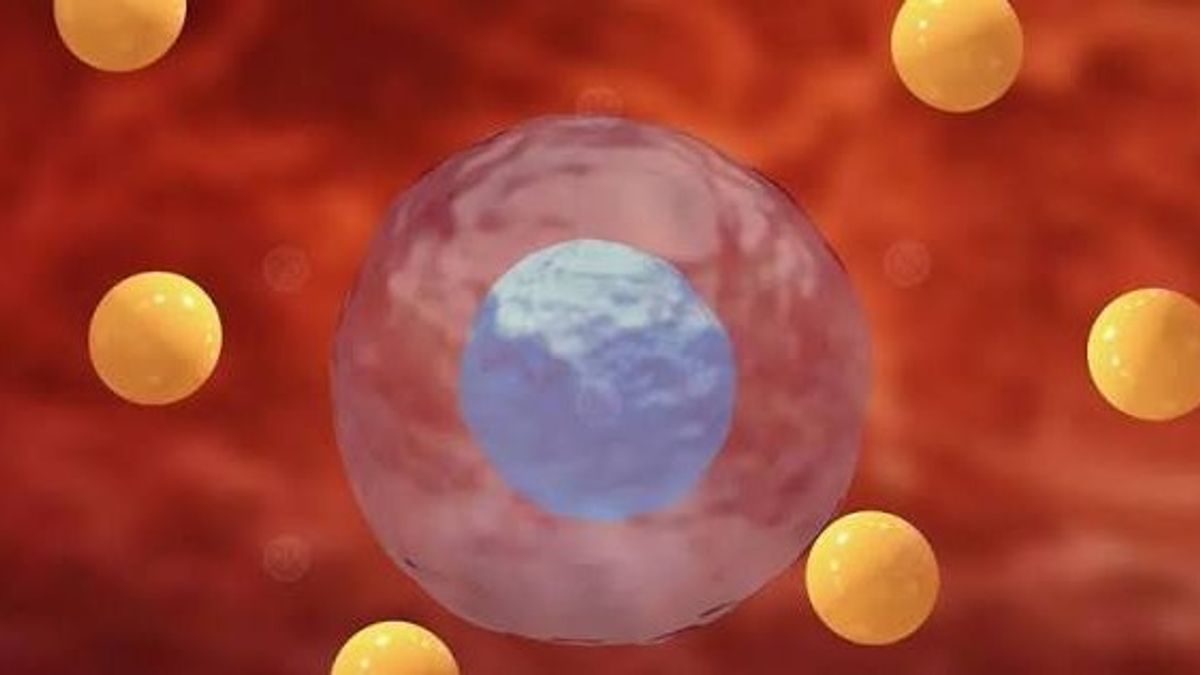
Researchers at Perm University in Russia have developed hybrid compounds combining phenol and pyruvate to combat oxidative stress, according to a recent report. These compounds act as highly effective antioxidants even at low concentrations and in various body environments. The human body naturally generates free radicals, which can be beneficial in small amounts.
However, excessive free radicals can lead to cell damage, aging, and increased risk of diseases like cardiovascular issues, diabetes, and inflammation. Environmental factors, stress, and poor nutrition can elevate oxidative stress levels, necessitating external antioxidants. Traditional antioxidants, such as vitamins C and E, have limitations as some work only in aqueous or fatty environments, and their effectiveness diminishes at low concentrations.
To overcome these issues, the researchers at Perm University created hybrid compounds by merging phenol and pyruvate, resulting in two molecules—one water-soluble and the other fat-soluble. Laboratory tests revealed that these new compounds exhibited 14% higher antioxidant activity than commercial alternatives at low concentrations.
Anastasia Klimova, the lead researcher from the university's Department of Chemical Engineering, highlighted the compounds' strong ability to bind and neutralize free radicals, as well as their versatility in functioning within both aqueous and fatty environments. This innovation is significant as it paves the way for future research aimed at developing drugs to treat cardiovascular diseases and chronic inflammation.
Written by urgent.news from Ajel English's reporting — not their text. Machine-written — may contain errors; check the original before relying on it.