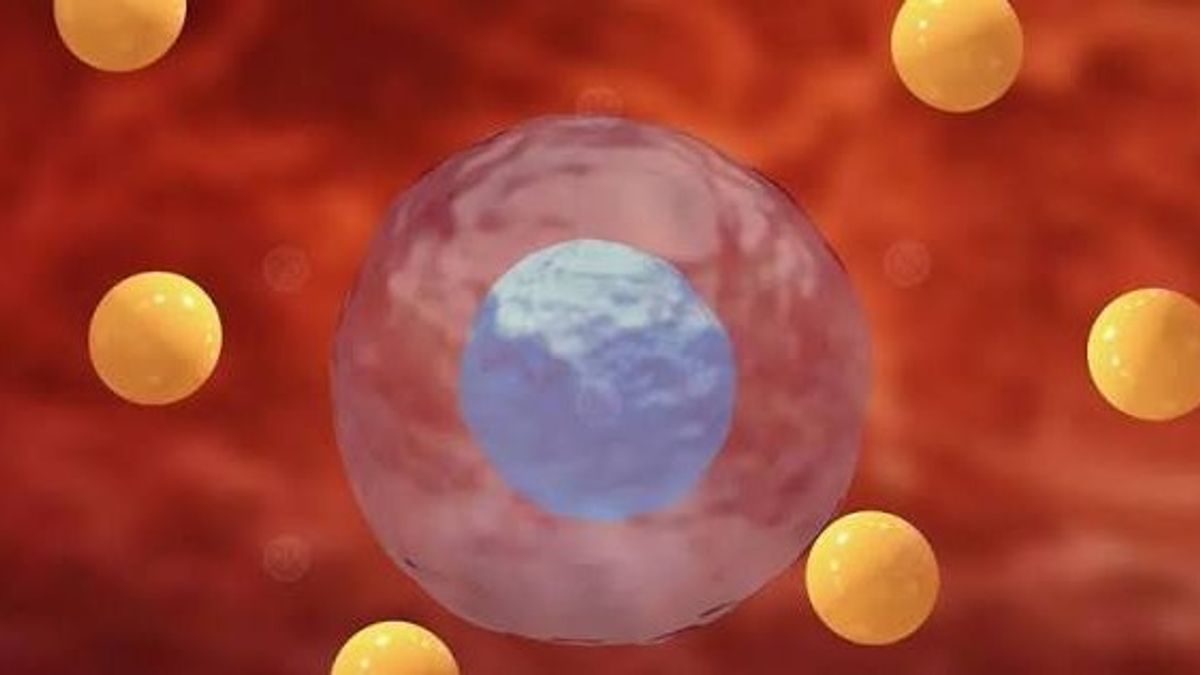
In 2005, crickets were fertilised in space; larvae hatched earlier than on Earth
In 2005, scientists examined cricket reproduction on the International Space Station, where embryos grew under microgravity conditions. Interestingly, larvae emerged sooner than those on Earth, suggesting that microgravity affects developmental speed while preserving key neural structures. This research is vital for comprehending how life forms adjust to lesser gravitational forces, expanding our…
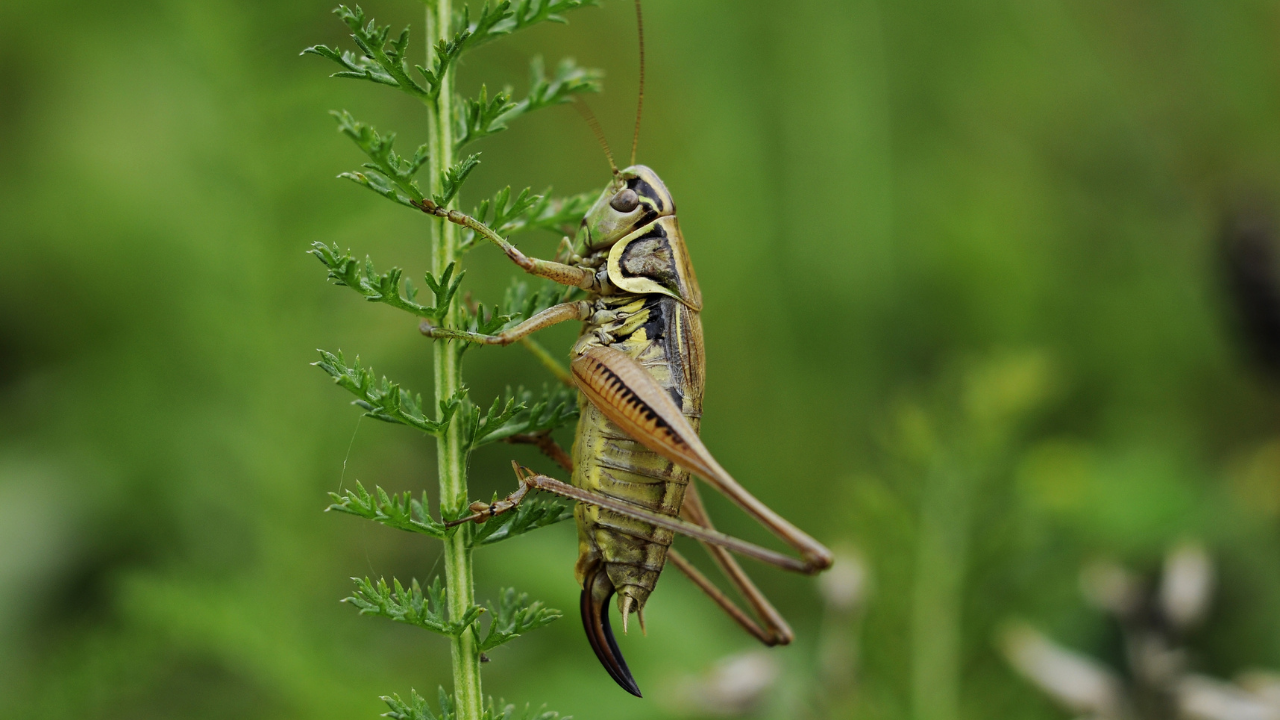
In 2005, a unique experiment was carried out on the International Space Station (ISS) to study the effects of microgravity on insect reproduction and early development. As reported by a NASA technical publication on ISS research, crickets were fertilized in orbit, allowing scientists to observe embryos and larvae developing under microgravity conditions.
The study examined 112 embryos and first-stage larvae from the spaceflight group, as well as 103 ground control specimens that developed under normal Earth gravity. One significant finding was that the larvae exposed to microgravity hatched earlier than their counterparts on Earth. This experiment, known as Crickets in Space-2 (CRISP-2), built upon earlier research conducted during NASA's Neurolab mission in 1998, which focused on the development of cricket nervous systems and how altered gravity impacted neurons involved in the animals' response to their environment.
The usefulness of crickets as models for this research stems from the ability to identify and study individual neurons within their nervous systems, making them valuable for investigating the influence of gravity on neural development.
Written by urgent.news from Times of India's reporting — not their text. Machine-written — may contain errors; check the original before relying on it.