Environmental lead exposure linked to greater neuronal damage: ICMR-NIN
Understanding these cellular changes can help us better understand how environmental exposures may influence neuronal health, says ICMR-NIN’s Head of Cell Biology Suresh Challa
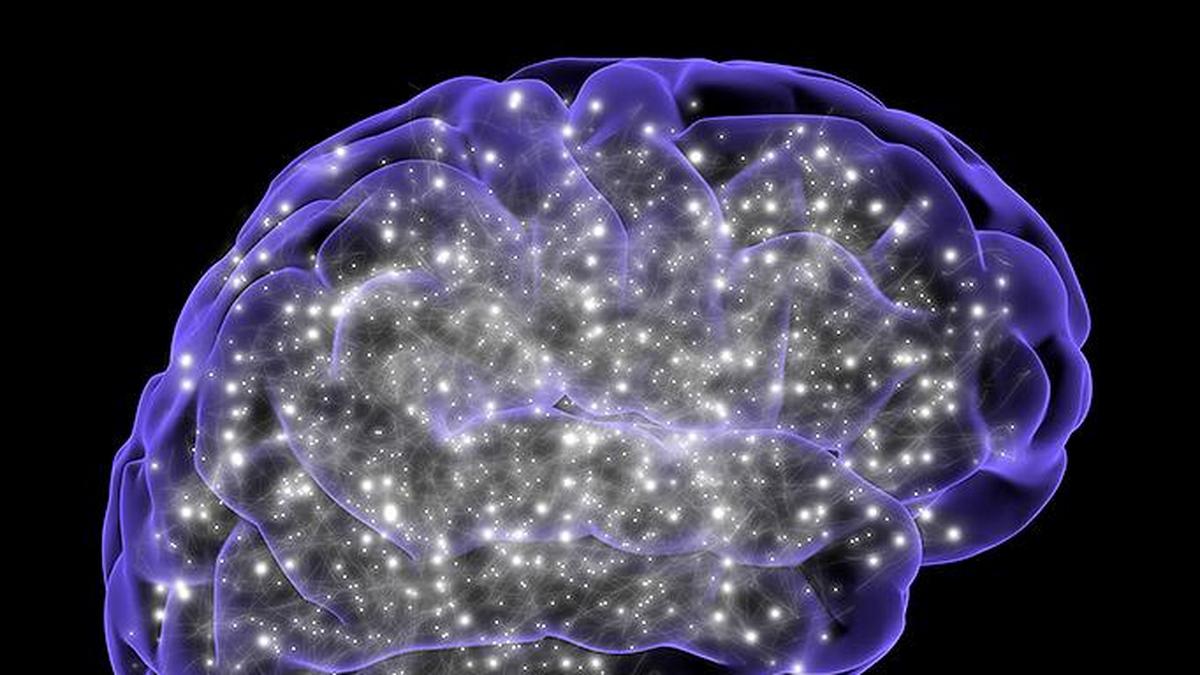
Researchers at the ICMR-National Institute of Nutrition (ICMR-NIN) in Hyderabad have discovered that exposure to lead can severely impair the natural waste-management and recycling systems within nerve cells. This impairment is believed to raise the risk of cellular damage linked to neurodegenerative disorders like Alzheimer’s disease.
The study focused on the effects of lead and amyloid-beta (Aβ) peptides, which are proteins connected to Alzheimer’s disease, on human nerve cells in a laboratory setting. Nerve cells depend on microscopic structures called lysosomes to break down and recycle damaged proteins, maintaining cellular health and functionality. Both lead exposure and amyloid-beta peptides independently disrupted lysosomal function.
However, when these two substances were combined, the disruption was significantly more severe, leading to reduced cell survival, altered acidity necessary for lysosomal function, and structural damage to lysosomes. Furthermore, the lysosomal membranes became unstable and permeable, potentially permitting harmful enzymes to leak into the cell and exacerbate damage.
The researchers conclude that these findings imply that environmental lead exposure could exacerbate cellular stress caused by amyloid-beta, making nerve cells more susceptible to injury. Suresh Challa, Head of Cell Biology at ICMR-NIN and the lead researcher, commented, "Understanding these cellular changes can help us better understand how environmental exposures may influence neuronal health."
ICMR-NIN director Bharati Kulkarni added, "The study highlights the importance of understanding the interaction between environmental pollutants and biological factors in maintaining brain health."
Written by urgent.news from The Hindu Health's reporting — not their text. Machine-written — may contain errors; check the original before relying on it.