On this day in space! Aug. 24, 2006: Pluto loses its planet status
On Aug. 24, 2006, the International Astronomical Union (IAU) decided that Pluto wasn't a planet anymore.
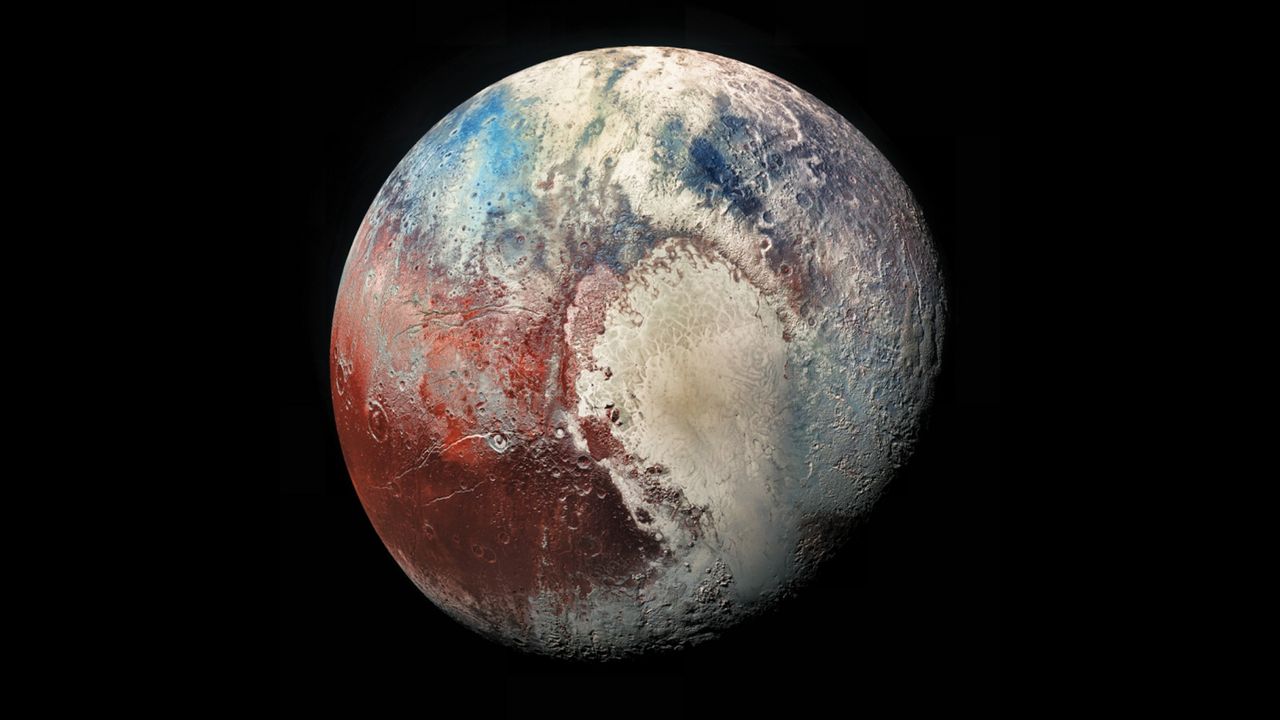
On August 24, 2006, the International Astronomical Union (IAU) made a decision that would change the way we view our solar system. Pluto, once considered a full-fledged planet, was no longer recognized as such. Instead, Pluto joined four other celestial bodies as dwarf planets. This decision sent shockwaves around the globe and ignited a heated debate among astronomers.
Proponents of Pluto's demotion argued that a planet should have cleared its orbit around the sun. Unfortunately, Pluto and the more distant dwarf planets do not meet this criterion. Alan Stern, the leader of NASA's New Horizons mission to Pluto, expressed his disappointment with the outcome. Stern stated, "I'm embarrassed for astronomy." He pointed out that less than 5 percent of the world's astronomers voted on the IAU's decision.
Critics of Pluto's status loss, like Stern, emphasized that many other planets in our solar system also share their orbits with asteroids. If Pluto were to retain its planetary status, numerous dwarf planets would also need to be reclassified as planets. This would result in hundreds of solar system bodies being reclassified, adding confusion to the definition of a planet.
Despite the controversy, the public rallied to defend Pluto's planetary status. For now, Pluto must be content with its newfound title as the king of the dwarf planets. While the debate surrounding the definition of a planet continues, Pluto's reclassification as a dwarf planet has brought a touch of coolness to the celestial realm.
Written by urgent.news from Space.com's reporting — not their text. Machine-written — may contain errors; check the original before relying on it.
This story
This is one outlet's version. Read the fullest account.
- Pluto demoted to dwarf planet 20 years ago today earthsky.org
- Sorry, Pluto’s still not a planet scientificamerican.com
- Pluto losing its planet status may be the best thing that ever happened to solar system diversity space.com