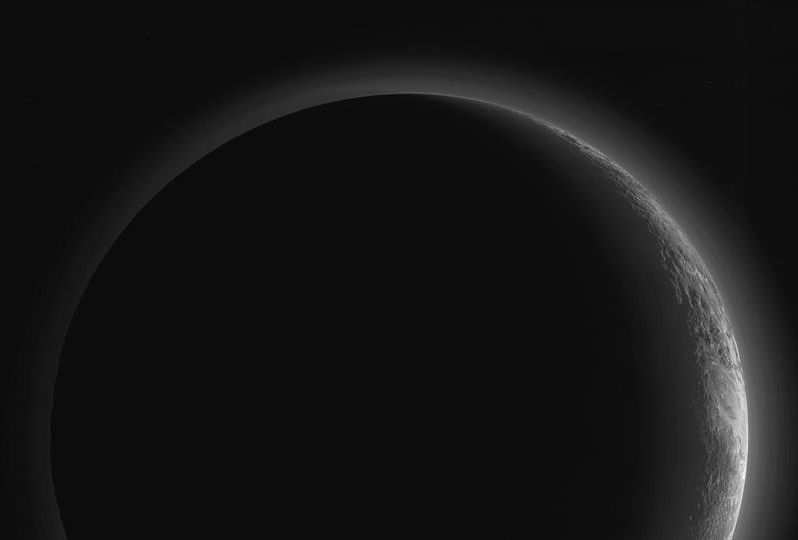
It's been 20 years since Pluto lost planet status. Will it ever get its title back?
The reclassification of Pluto as a dwarf planet continues to stir up a hornet's nest of controversy and debate, as Space.com meets one astronomer who believes the decision to have been a mistake.
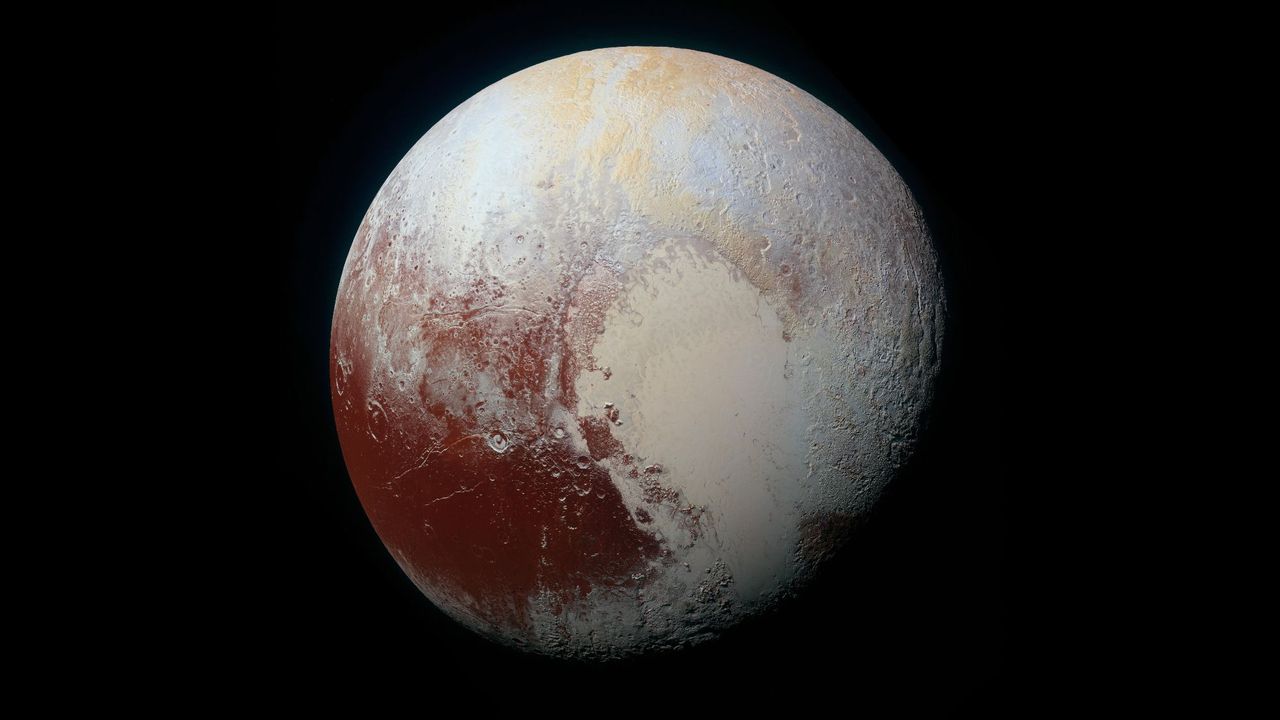
In August of 2006, a significant decision was made by astronomers at the International Astronomical Union (IAU), which led to Pluto being reclassified as a dwarf planet. Twenty years later, with a deeper understanding of planetary systems, some are questioning whether it's time to reconsider the decision and potentially restore Pluto's planetary status.
The controversy surrounding Pluto's classification began earlier, in the 1990s, as astronomers discovered other distant objects resembling Pluto in the Kuiper belt. This culminated in 2005 with the discovery of Eris, a Pluto-sized celestial body located even farther from the sun than Pluto. In July of 2005, during a meeting of the IAU, numerous proposals were put forward to address the evolving definitions and classifications of these objects.
Ultimately, Pluto was reclassified as a dwarf planet. However, for those who opposed the decision, such as planetary astronomer Paul Byrne, the time has come to revisit the classification of Pluto and other dwarf planets. Byrne argues that all these celestial bodies should be considered planets, emphasizing that their scientific characteristics merit such a classification.
Byrne also highlights the importance of perception in how we present scientific concepts to the public, noting that the demotion of Pluto has hindered public understanding of these fascinating cosmic bodies.
Written by urgent.news from Space.com's reporting — not their text. Machine-written — may contain errors; check the original before relying on it.
Also reported by 3 other outlets
- Pluto demoted to dwarf planet 20 years ago today earthsky.org
- Sorry, Pluto’s still not a planet scientificamerican.com
- Pluto losing its planet status may be the best thing that ever happened to solar system diversity space.com