Costa Rica spread 12,000 tonnes of orange waste; forest biomass later rose 176%
In 1998, about 12,000 metric tonnes of orange peels and pulp were spread over a degraded pasture in Costa Rica as part of an unusual forest restoration experiment. Sixteen years later, researchers found that the site had developed into a dense forest, with richer soil, greater tree diversity and a 176% increase in aboveground biomass.
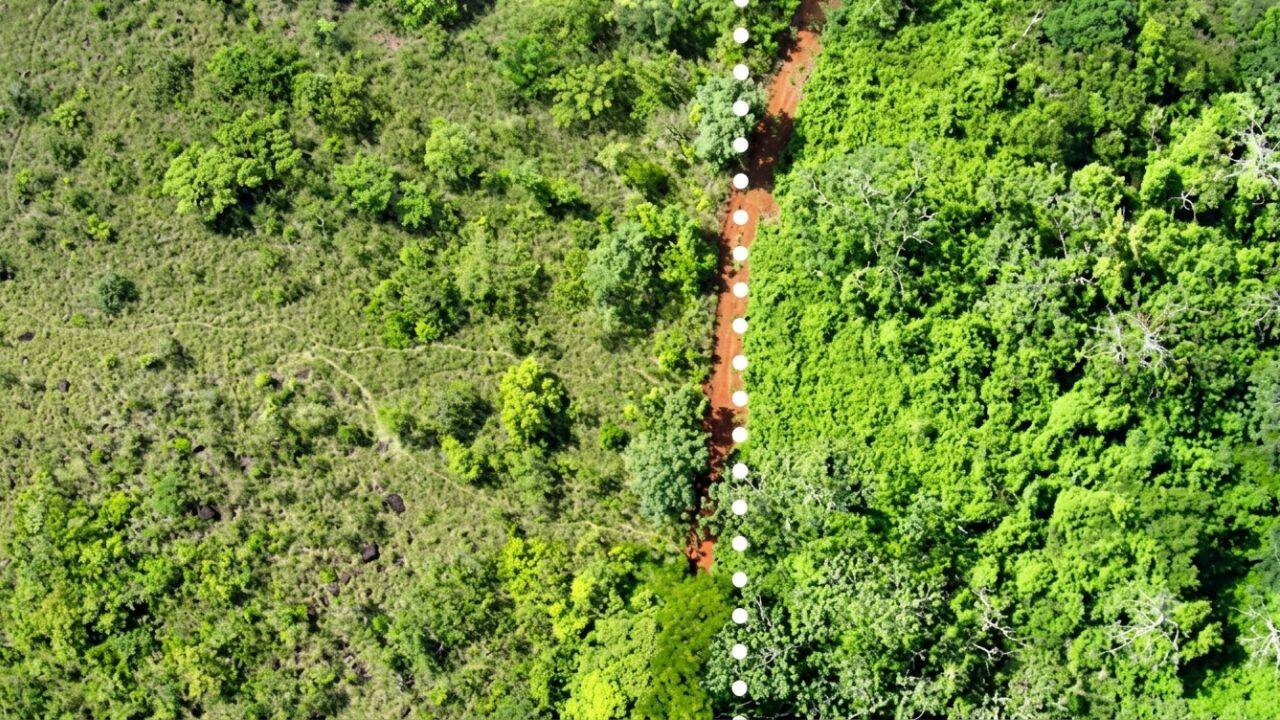
In the late 1990s, Costa Rica embarked on an unconventional conservation experiment involving orange waste. The project, led by ecologists Daniel Janzen and Winnie Hallwachs, aimed to restore a degraded area within a national park using orange peels and pulp donated by Del Oro, an orange juice company. Del Oro agreed to donate land and process its orange waste at a degraded pasture inside the park, with the help of the Area de Conservacion Guanacaste (ACG).
Over time, the orange waste transformed the previously barren land into a thriving forest. A study conducted by Princeton University researchers found that the area experienced a 176% increase in aboveground biomass, indicating a significant growth in tree biomass. The forest also boasted a diverse array of tree species, making it richer in vegetation compared to the untreated pasture nearby.
The findings were published in the journal Restoration Ecology as "Low-Cost Agricultural Waste Accelerates Tropical Forest Regeneration."
Written by urgent.news from Times of India's reporting — not their text. Machine-written — may contain errors; check the original before relying on it.