What actually works for knee pain? Expert advice for wear and tear, overuse and acute injuries
Here’s how to differentiate between common types of pain and what experts recommend for managing them.
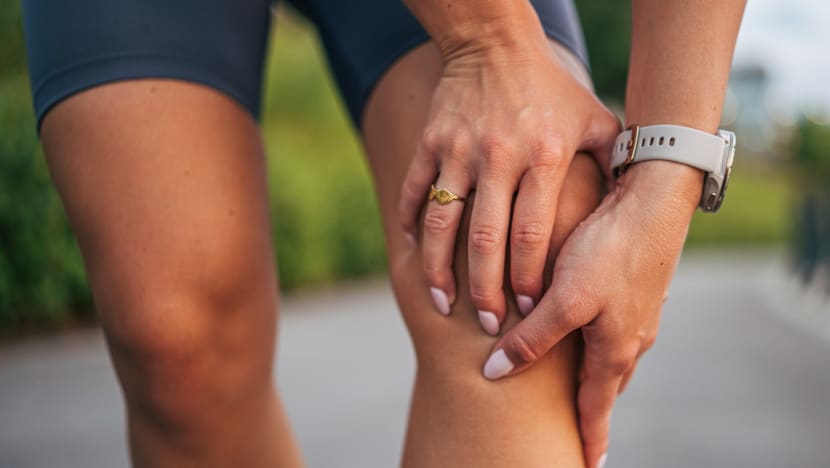
Knee pain is a common issue, affecting many people throughout their lives. It can result from wear and tear as joints age, or from acute injuries due to overuse or accidents. Dr Matthew Abdel, an orthopaedic surgeon at the Mayo Clinic, notes that chronic knee pain can drain someone physically, financially, and emotionally, even if they don't immediately express their discomfort.
Osteoarthritis, a condition where cartilage in joints wears out, is the most common cause of chronic knee pain in adults over 55. It leads to inflammation, occasional swelling, and pain that worsens over time. Symptoms can vary, with pain being sharp or throbbing and occurring in different parts of the knee. Morning stiffness is common, and movement usually becomes easier later in the day.
Overuse injuries, often stemming from sudden increases in exercise intensity, duration, or volume, are also frequent causes of knee pain among active individuals. Examples include IT band syndrome in distance runners and patellofemoral pain syndrome, also known as runner's knee. Sudden injuries can result from falls, accidents, or sports activities. A common acute injury is a meniscus tear, typically caused by a twisting motion, leading to sharp pain, swelling, and difficulty bending the joint.
Regardless of the pain's origin, Dr Robert Turner, a physical therapist at the Hospital for Special Surgery in New York, advises seeking help from physical therapists. They can identify movements or habits contributing to knee pain and determine when a physician's consultation is necessary. Strengthening surrounding muscles, such as those in the hips, hips, and ankles, can alleviate pain from various causes and prevent future discomfort.
For patellofemoral pain, focusing on quad, hip abductor, and core muscle strengthening, along with quad stretching, can be beneficial. Low-impact aerobic exercises like biking, swimming, or using an elliptical can also help alleviate pain from osteoarthritis. Taping and using supportive shoes may reduce knee pain as well.
In cases where lifestyle changes and oral medications fail to provide relief, doctors may recommend steroid injections, which can provide temporary pain relief for a few weeks. Hyaluronic acid injections may help with less advanced osteoarthritis, but their long-term effectiveness is still debated. Platelet-rich plasma injections are another option, but they can be costly and have limited evidence for regenerating cartilage.
If conservative treatments fail to improve quality of life, knee replacement surgery may be considered.
Written by urgent.news from Channel News Asia's reporting — not their text. Machine-written — may contain errors; check the original before relying on it.