Program motivates remote students to join healthcare workforce at home
Melinda is still finishing high school, but she is already working inside the health system and building a career that could bring her back to serve her own community.
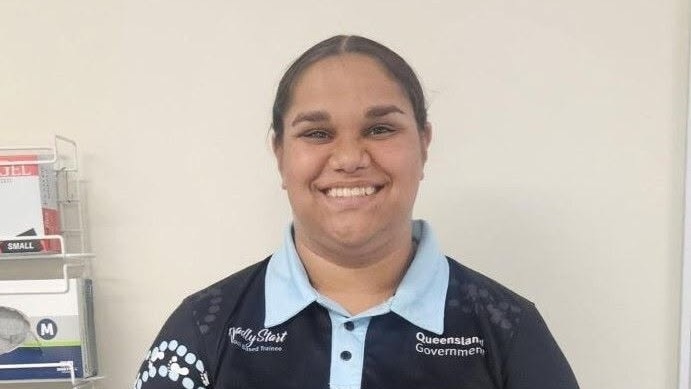
First Nations students in North West Queensland are gaining valuable health careers experience while still in school through the Queensland Health's Deadly Start program. This initiative combines paid traineeships, vocational qualifications, and hands-on experience in local health services. The program's leaders hope it will create pathways for local students to build their own healthcare workforce, allowing them to work in their communities.
In Normanton, a remote Gulf town about 500 kilometers from Mount Isa, 17-year-old Melinda Burns, who grew up watching her aunt care for the community, is one of the seven Aboriginal and Torres Strait Islander students who have completed the program this year. Melinda's aunt, whose name has been withheld for cultural reasons, has worked as a nurse for 55 years with the North West Hospital and Health Service.
Melinda said her aunt's dedication inspired her to pursue a career in healthcare. All seven students who began the 2025-26 program have finished, achieving a 100% completion rate. Building a workforce that stays in the region is a challenge in North West Queensland, where communities can be hundreds of kilometers away from major health services.
Deadly Start addresses this by training young people already living in those communities, giving them strong ties to the area. Indigenous workforce coordinator Shannon McConachie said people who trained locally are more likely to stay and work in regional and remote areas, creating a sustainable workforce from within local communities.
The program offers students hands-on healthcare experience while completing high school, with placements available in various settings, including hospitals and aged care facilities. For remote students, the program can accommodate travel distances by working during school holidays. Melinda first learned about Deadly Start during a school information session and has spent one day a week on hospital placements, including additional hours during the Christmas holidays.
Her work includes assisting patients with meals, bathing, changing beds, and general patient care. Her family has noticed a positive change in her confidence. The vocational program consists of a Certificate II in health support, followed by a Certificate III in allied health, health service support, and administration. After completing 375 hours of paid employment as part of the program, three years after its launch, the health service is seeing some of its earliest participants progress into further training and employment.
Melinda hopes to work at a local aged care facility or hospital after finishing school, where a new renal unit is planned, emphasizing the importance of caring for elders in her community.
Written by urgent.news from ABC News AU's reporting — not their text. Machine-written — may contain errors; check the original before relying on it.