How robotic surgery is changing pancreatic treatment
Smaller incisions, greater precision and faster recovery are helping ease the burden of complex procedures.
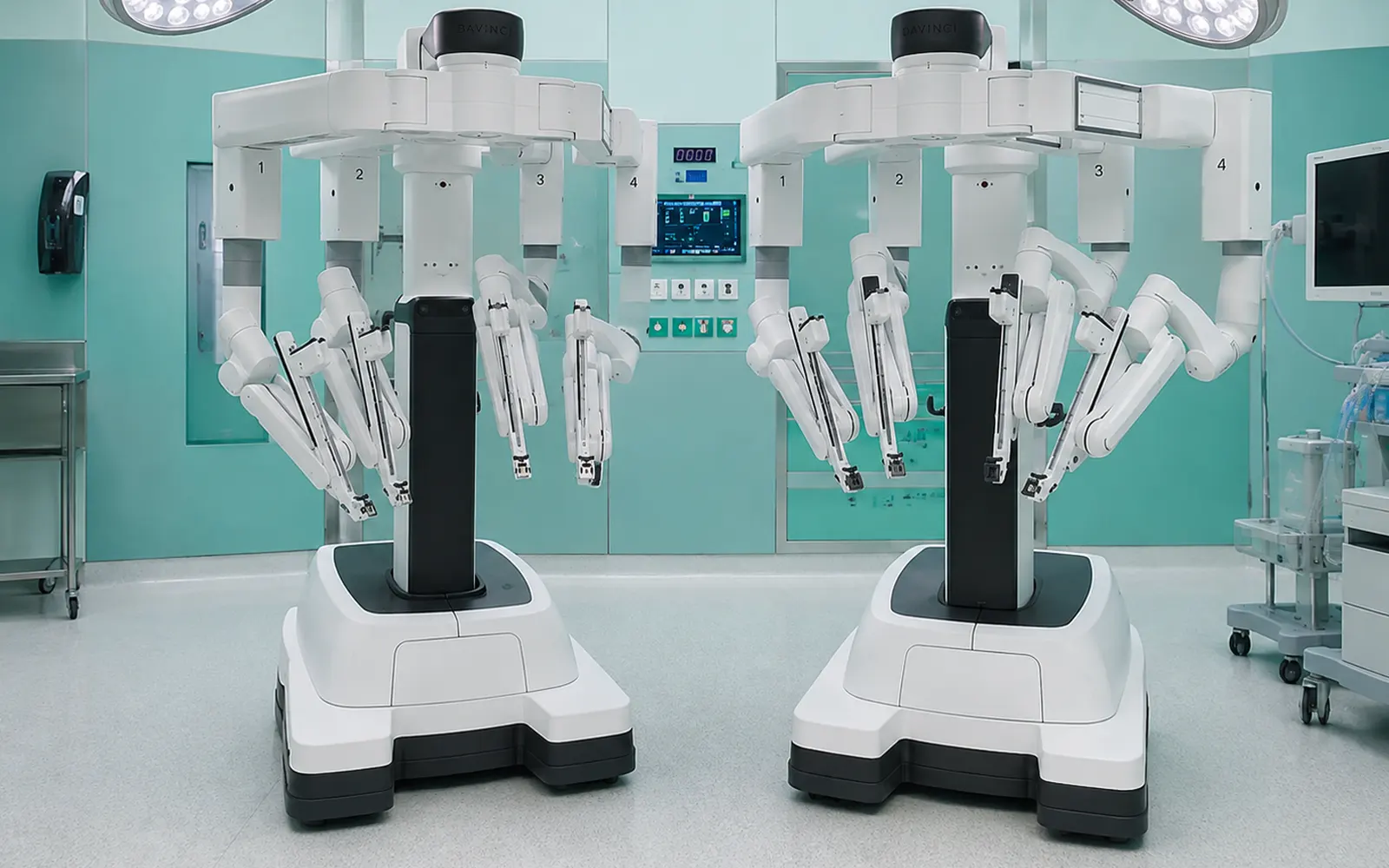
Pancreatic surgery has long been regarded as one of the most intricate abdominal procedures due to the organ's location deep behind the stomach and close to major blood vessels. However, recent advancements in minimally invasive and robotic-assisted techniques are revolutionizing the field, providing surgeons with enhanced precision and improved patient outcomes.
Dr. Bong Jan Jin, a consultant hepatobiliary, pancreatic and robotic surgeon, explained that these procedures may be necessary for cancerous or benign tumors, chronic inflammation like pancreatitis, or injuries resulting from accidents.
Traditionally, open surgery necessitates a sizable abdominal incision, leading to increased postoperative pain, a higher chance of wound infection, and a longer recovery period. In contrast, robotic surgery is conducted through several small incisions, enabling the surgeon to control robotic instruments from a console. The system offers a magnified 3D view of the internal organs, while the robotic arms can maneuver in ways that replicate the natural movement of the human wrist, thereby facilitating greater precision in confined spaces.
Patients who undergo robotic pancreatic surgery typically experience less pain and may need fewer potent painkillers compared to those undergoing open surgery. They may also start moving sooner and regain bowel function more swiftly. If the recovery is uneventful, discharge may occur within seven to 10 days. The smaller incisions also facilitate a quicker return to daily activities, though recovery durations vary based on the patient's health, the scope of surgery, and the presence of any complications.
Not every patient is an ideal candidate for robotic or laparoscopic surgery. The determination hinges on the tumor's size and location, as well as the involvement of major blood vessels. Certain pancreatic cancer patients might also receive neoadjuvant chemotherapy, which involves administering treatment before surgery to potentially shrink the tumor and enhance the chances of complete removal.
A frequently raised concern is whether the removal of part of the pancreas could lead to diabetes. Dr. Bong stated that the risk largely depends on the patient's health prior to surgery and the extent of pancreatic tissue removed. In suitable cases, robotic surgery provides a less invasive approach, resulting in only a few small abdominal scars as opposed to a single large incision.
Those already diagnosed with diabetes may require stronger medication or increased insulin post-surgery, whereas individuals with pre-diabetes may necessitate closer monitoring. For patients without a history of diabetes, removing half of the pancreas does not necessarily mean they will develop the condition, as the remaining pancreas can often continue producing sufficient insulin and digestive enzymes.
However, patients might need some time to adjust after surgery, with recommendations including small, frequent meals and a diet higher in protein and lower in fat and sugar to alleviate strain on the digestive system during the remaining pancreas's adaptation period. With proper dietary guidance and ongoing care, Dr. Bong noted that most patients adjust well and resume their usual routines.
Written by urgent.news from Free Malaysia Today's reporting — not their text. Machine-written — may contain errors; check the original before relying on it.
Also reported by 1 other outlet
- How robotic surgery is changing pancreatic treatment freemalaysiatoday.com