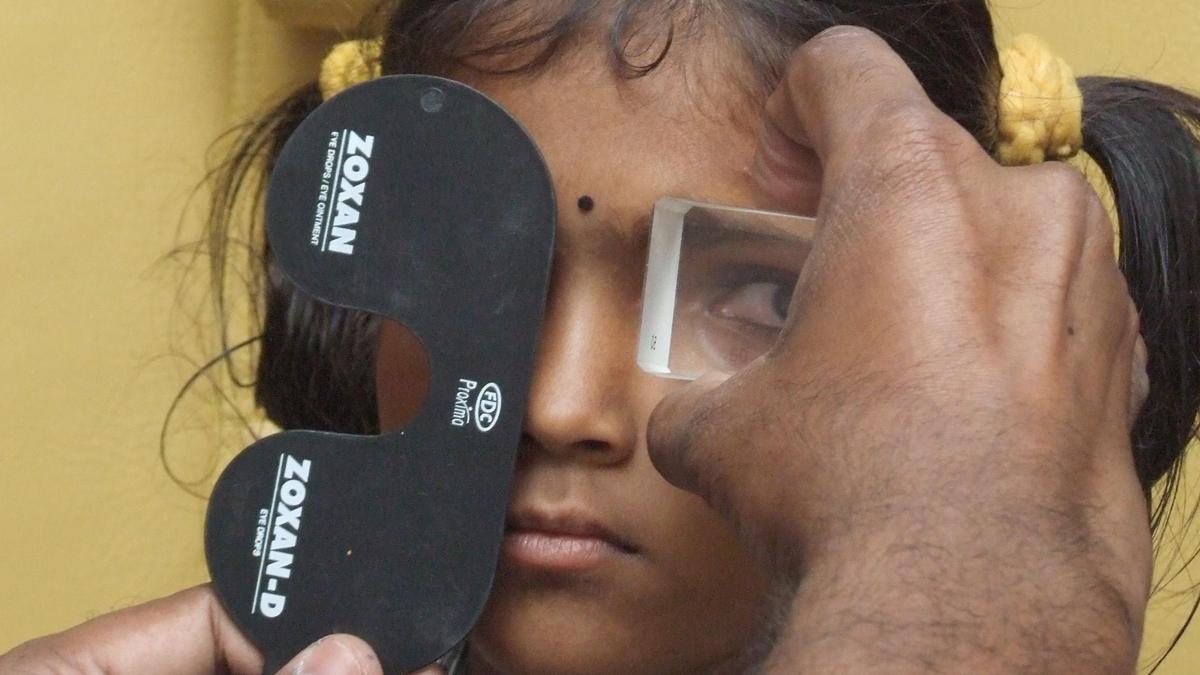
The future of eye health needs more women leading it
Community models led by women have demonstrated what changes when women are given responsibility and authority, not simply participation. The same principle must extend upward through the profession, to hospital departments, academic institutions and policy tables
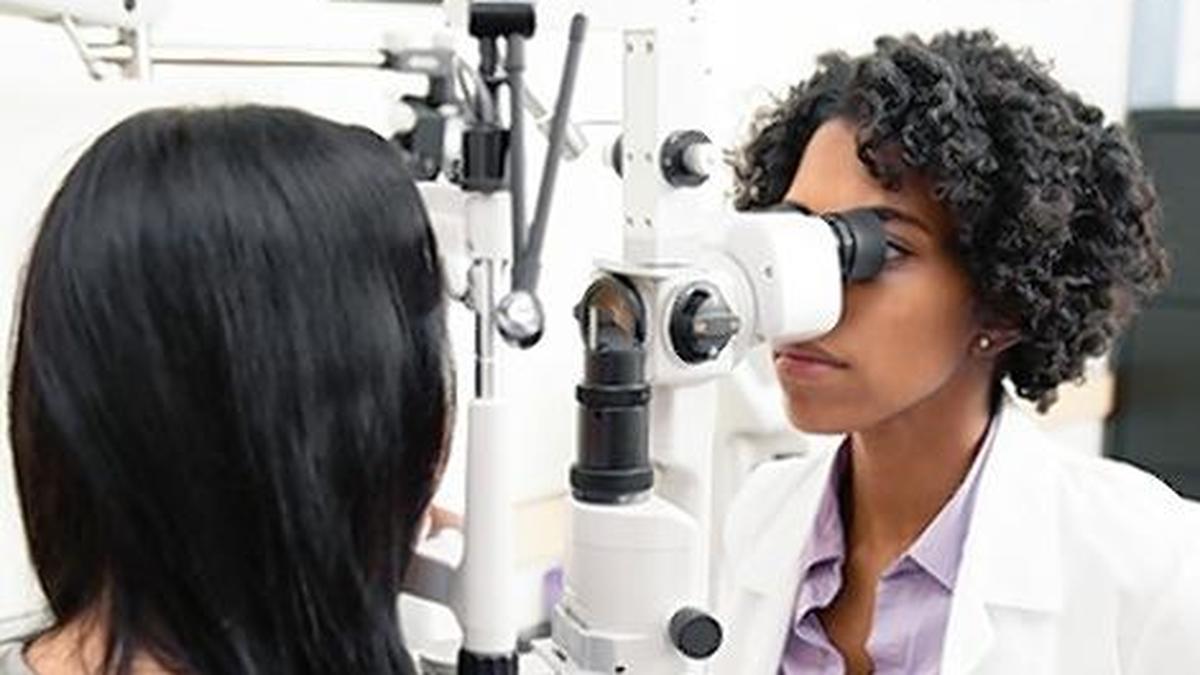
The under-representation of women in senior leadership roles within ophthalmology is a critical issue that extends beyond mere entry into the profession. While women constitute a significant portion of those affected by vision loss globally, they hold only a fraction of leadership positions in ophthalmology, both academically and in decision-making.
This disparity is not solely due to entry barriers but also to the challenges women face in advancing their careers. Factors such as career interruptions due to motherhood, uneven distribution of opportunities for surgical volume, research, and institutional leadership, and the lack of sponsorship for leadership roles all contribute to this leadership gap.
Programs aimed at professional development, networking, and leadership activities, as well as the use of technology for flexible learning, can help mitigate these barriers. However, the responsibility for creating a more inclusive and diverse ophthalmology leadership must extend beyond individual efforts to systemic changes within hospitals and academic institutions, ensuring transparent promotion criteria and equitable opportunities for all.
Brief written by urgent.news from The Hindu Health's own syndicated text. Machine-written — may contain errors; check the original before relying on it.
Also reported by 1 other outlet
- The future of eye health needs more women leading it thehindu.com