All you need to know about: squint eye
Squint, medically known as strabismus, is a condition in which the two eyes do not align properly. It can affect children and adults and, when it develops during childhood, can interfere with the normal development of vision
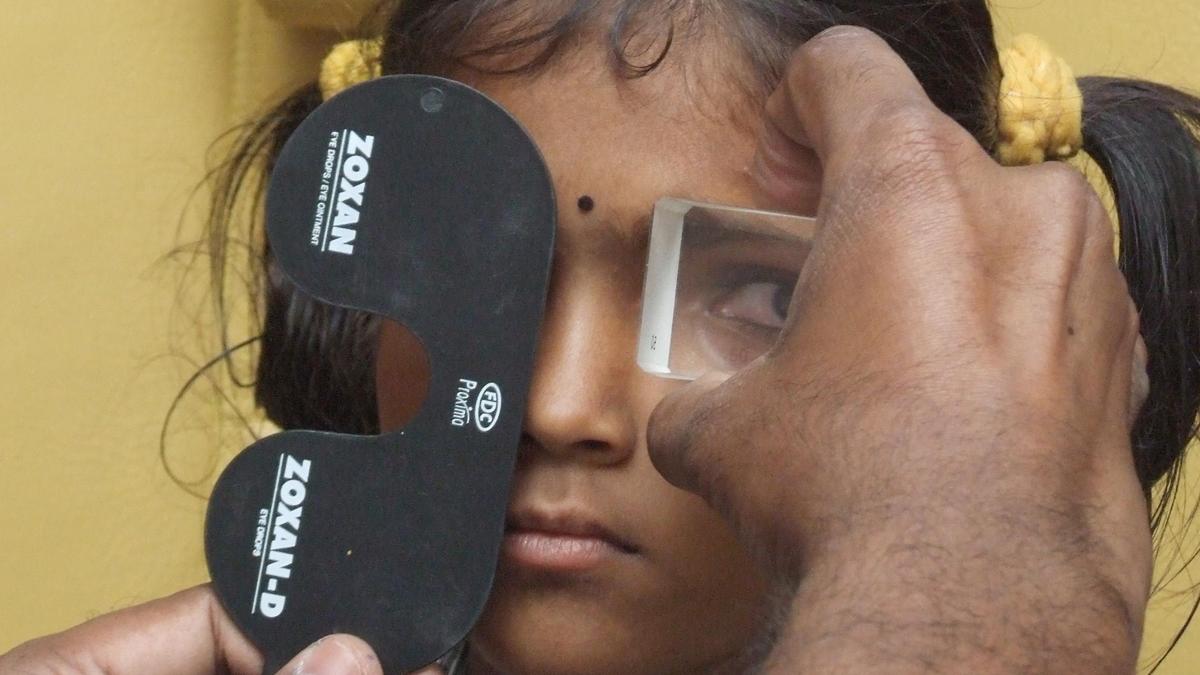
Squint, or strabismus, is a condition where the eyes are not properly aligned and do not focus on the same object simultaneously. One eye may turn inwards (esotropia), outwards (exotropia), upwards or downwards while the other eye remains focused. This misalignment can be constant or occur intermittently, often when a person is tired.
Globally, approximately 138.5 million people have horizontal strabismus and 87.5 million have exotropia. Exotropia now tends to be more common across generations. Strabismus can vary regionally, with parts of South Asia under-represented in research. The World Health Organization identifies strabismus as one of the conditions requiring long-term monitoring and treatment.
Signs of squint include the eyes pointing in different directions, with some children closing one eye in bright light or tilting their heads to see. In adults, sudden appearance of a squint can indicate underlying issues with eye muscles, nerves or brain. Not all apparent squints are true strabismus; some children may appear to have crossed eyes due to eyelid shape or nose bridge, a condition known as pseudostrabismus.
True strabismus occurs due to improper functioning of eye movement and alignment systems, which could involve eye muscles, nerves or brain coordination. Causes include genetic factors, refractive errors, neurological or developmental conditions, premature birth, low birth weight, and adult conditions like diabetes, thyroid eye disease, stroke, neurological disorders or trauma.
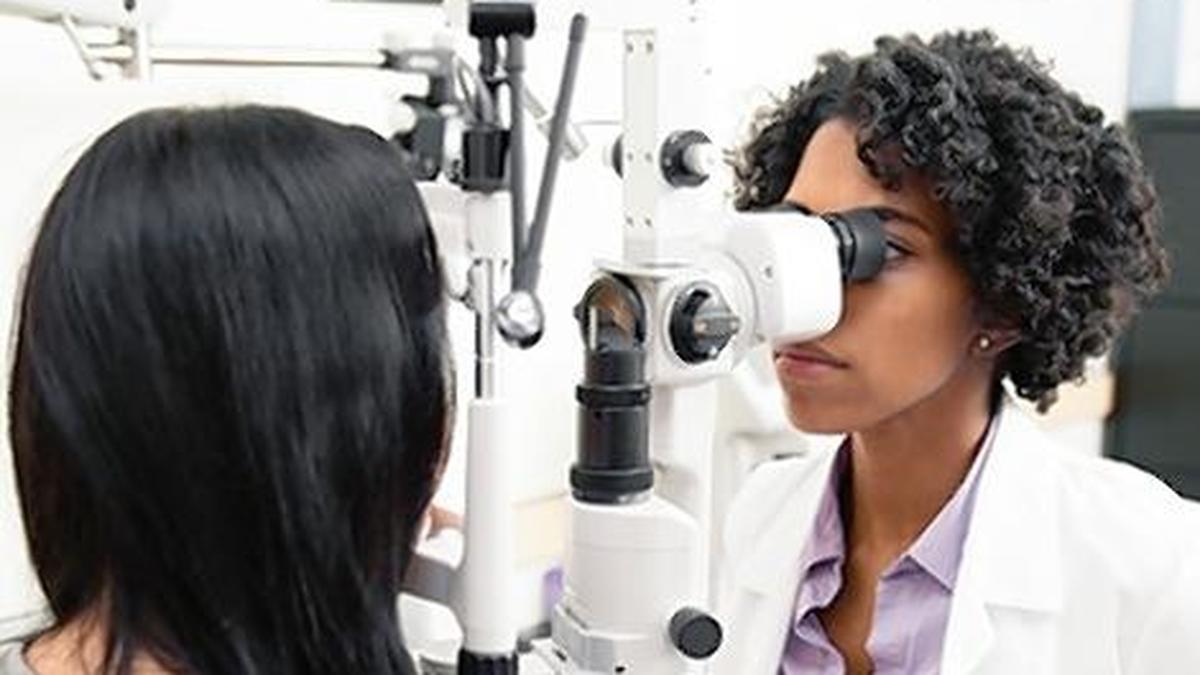
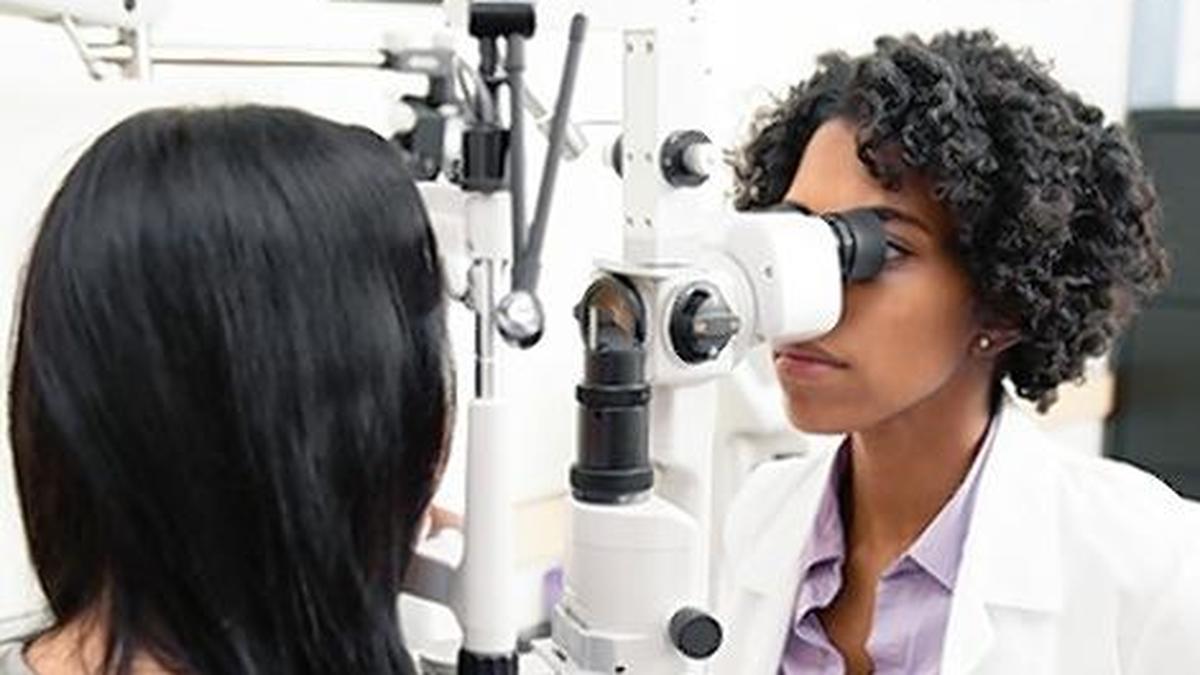
Diagnosis typically involves an ophthalmologist examining eye alignment and movement, measuring visual acuity in each eye and assessing response to covered and uncovered eyes. Children are also examined for amblyopia and binocular vision development. Treatment depends on the type and cause of the squint, age of the person, frequency of eye turning and vision impact.
Glasses may correct refractive errors contributing to misalignment, while accommodative esotropia might benefit from correcting long-sightedness. In some cases, specific eye exercises or surgery may be required to adjust eye muscles and improve alignment. Early treatment is crucial to prevent amblyopia and support binocular vision.
Written by urgent.news from The Hindu - Sci-Tech's reporting — not their text. Machine-written — may contain errors; check the original before relying on it.
This story
This is one outlet's version. Read the fullest account.
- All you need to know about: squint eye thehindu.com