Scientists highlight essential role of mosquito control to tackle increase in mosquito-borne diseases in Europe
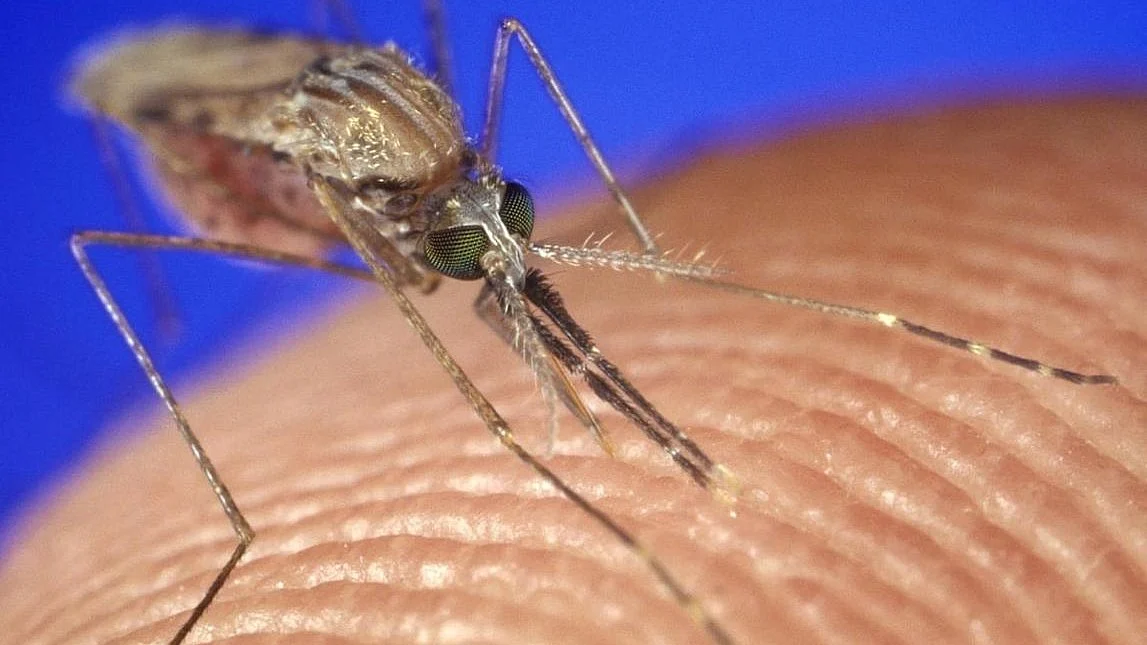
Mosquito control is crucial to addressing the increase in mosquito-borne diseases in Europe such as dengue, chikungunya virus disease and West Nile virus infection, according to EU scientists from the European Center for Disease Prevention and Control (ECDC), the European Chemicals Agency (ECHA), the European Environment Agency (EEA) and the European Commission, in an article published in…

This article explores the critical importance of mosquito control in tackling the rise of mosquito-borne diseases across Europe. According to EU scientists from various prominent agencies, including the European Center for Disease Prevention and Control, the European Chemicals Agency, and the European Environment Agency, these diseases, such as dengue, chikungunya virus disease, and West Nile virus infection, are on the increase.
The rise is attributed to factors like global warming, changing environmental conditions, and increased international travel. However, mosquito control is not straightforward, as it faces several challenges. These include fragmented governance, limited data on the cost-effectiveness and safety of existing measures, and a narrow range of approved biocidal substances that are becoming less effective due to mosquito resistance.
The authors recommend continued investment in research and development to create sustainable, evidence-based, and integrated mosquito control strategies. They also emphasize the need for a One Health approach, which integrates public health, environmental, veterinary, and urban planning sectors to enhance the effectiveness of interventions.
Various methods for controlling mosquito populations exist, such as removing stagnant water where larvae grow, treating it with larvicides, and using biocides to control adult mosquitoes. Additionally, personal protective measures like using repellents, physical barriers, and protective clothing can help prevent bites. Nevertheless, there are ongoing challenges in implementing these methods.
Uncertainties remain about their cost-effectiveness, the need to adapt interventions to local conditions, and the availability and use of biocidal products, which is often uneven across countries. The increasing resistance of mosquitoes to insecticides further complicates control efforts. While mosquito-borne diseases may not always be viewed as a political priority, their control at both European country and EU levels is overseen by a variety of authorities and institutions.
Despite these complexities, the scientists advocate for a sustainable, evidence-based, and integrated approach to mosquito control, implemented across different levels and sectors, underpinned by a One Health strategy.
Written by urgent.news from Medical Xpress's reporting — not their text. Machine-written — may contain errors; check the original before relying on it.