Fears for sea lions as suspected bird flu spreads to breeding ground
There are concerns the endangered Australian sea lion could be devastated by bird flu, with mass bird deaths believed to be linked to the virus found at key breeding locations.
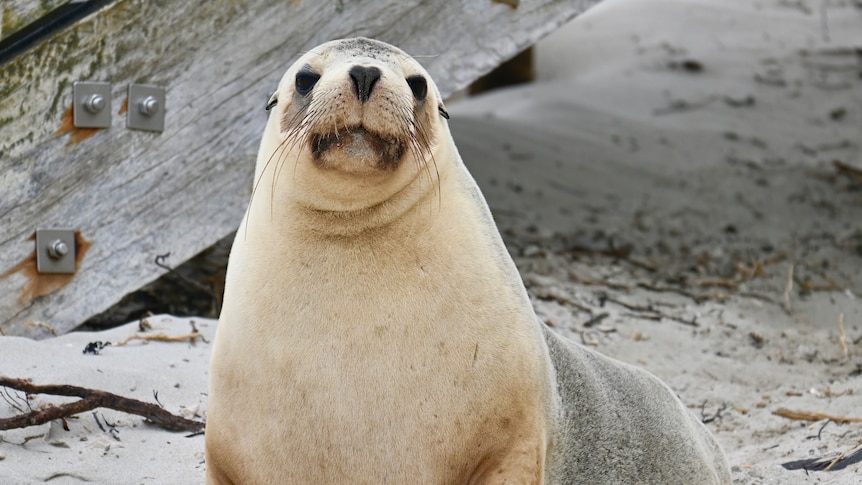
A suspected outbreak of bird flu has raised concerns for the endangered Australian sea lion, which is facing difficulties with its declining population. The virus, H5N1, has recently been detected on islands housing a significant sea lion breeding colony, though it has not been found in the sea lions themselves. Similar cases have occurred in pinnipeds (marine mammals) in South America and Antarctica.
A veterinarian specializing in Australian sea lions, Rachael Gray, witnessed the severity of the situation during her visit to the sub-Antarctic region. She described the mass bird deaths and the alarming reduction in the number of returning birds to breed in subsequent years as saddening and upsetting.
The Pages Islands, located between Kangaroo Island and the South Australian mainland, have experienced two out of three mass deaths, with about 1,000 birds, mostly greater crested terns, found dead. The situation is dire, with the Australian sea lion already struggling, as the recent pup mortality rate in The Pages reached over 34 percent, compared to the usual 5 percent. Although the exact cause is uncertain, it is suspected that an algal bloom, coupled with a lack of food, has contributed to the high mortality rate.
In response to the 2025 pup deaths, the government has allocated $1.4 million to continue a program involving worming pups and erecting shelters at colony sites. Dr. Gray, who is involved in this program, regularly visits Kangaroo Island to treat sea lion pups for hookworm, a parasite causing serious health issues in the species. This preventive measure aims to improve the overall fitness of the sea lions, enabling them to better cope with potential threats like avian influenza or other pathogens.
South Australia's Environment Minister, Emily Bourke, expressed concern over the sea lion population, citing the investment in a bird flu monitoring and surveillance program. She also mentioned the possibility of the vaccination program in Hawaii, which has not been approved yet, as a potential avenue to explore. Dr. Gray remains hopeful that the unique breeding cycle of the Australian sea lion, where pups are born over an extended period, might help them survive the bird flu outbreak.
Written by urgent.news from ABC News AU's reporting — not their text. Machine-written — may contain errors; check the original before relying on it.