NASA-led study shows some Earth microbes could survive on the moon
The finding raises concerns about unintended life transfer to the lunar surface.
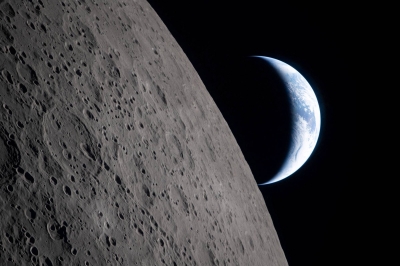
Washington - A NASA-led investigation into the resilience of Earth microbes on the lunar surface has revealed that certain microorganisms could potentially endure under specific conditions, according to a report. The study examined the ability of five different types of fungi and bacteria to survive on the moon, a realm known for its hostile environment, characterized by the absence of breathable air, extreme temperature fluctuations, and intense exposure to space radiation and energetic particles.
Astronauts, equipped with protective spacesuits and spacecraft containing shielding, are exposed to these conditions during space missions. However, the possibility of microbial hitchhikers complicates matters, as these organisms could potentially transfer life to the lunar surface. The findings from this research carry significant implications, suggesting that the moon might not be as sterile as previously believed, raising the need for further investigation into the implications of unintended biological contamination.
Written by urgent.news from Japan Times's reporting — not their text. Machine-written — may contain errors; check the original before relying on it.
This story
This is one outlet's version. Read the fullest account.
- Using thunderquakes to X-ray earth – a new study shows urban seismology in action thehindu.com
- Thunderquakes enable seismic imaging of Earth's shallow subsurface phys.org
- Using thunderquakes to X-ray Earth – a new study shows urban seismology in action theconversation.com
- Using thunderquakes to X-ray Earth – a new study shows urban seismology in action hindustantimes.com