India joins China and South Korea in push for Arctic shipping routes
Climate change and conflict are conspiring to open up the Arctic to Asian commercial shipping, with China, South Korea and India all eyeing the icy short cut to Europe. Last Saturday, Chinese shipping company Sea Legend launched the first scheduled weekly container service across the top of the world, marking the realisation of Beijing’s long-held ambition to build a “Polar Silk Road”. It will…
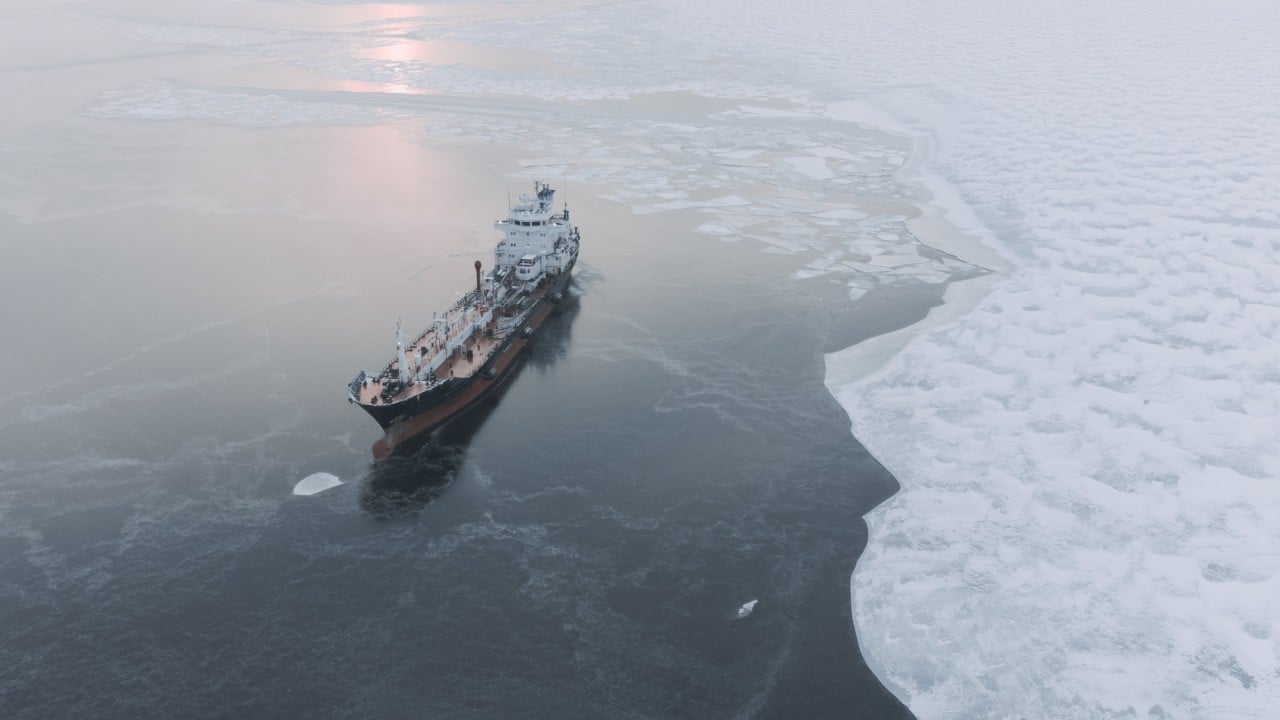
Climate change and geopolitical tensions are driving Asia's shipping companies towards the Arctic as a potential shortcut to Europe. China, South Korea, and India are all exploring the possibility of using the Northern Sea Route (NSR) to reduce shipping times and costs. China launched the first scheduled weekly container service across the Arctic on Saturday, marking its ambition to create a "Polar Silk Road."
South Korea plans to send a pilot vessel through the NSR to the UK, Netherlands, and Poland next Sunday. India is also preparing to dispatch its first cargo ship along the same corridor next year.
Climate change is opening the Arctic for shipping, with summer ice-free periods running from July to October. Geopolitical factors, such as the Red Sea and Hormuz Strait threats, have forced many shippers to divert around southern Africa, adding costs and time to their journeys. The NSR can cut transit times between Asia and northern Europe by up to two weeks, shortening shipping distances by up to 40%.
The NSR offers significant potential for connecting Asia and Europe faster and more easily. It could help Russian energy resources reach Asia more efficiently. China stands to benefit the most from the NSR, as it will facilitate its trade with Europe and avoid US-controlled sea lanes. India's interest in the NSR is both about logistics and signaling its strategic autonomy to Washington.
The route could also provide Delhi with access to Russian oil, gas, and minerals. Additionally, it offers Delhi leverage in talks for a long-awaited free-trade agreement with the US and enhanced connectivity to Russia's far east.
China has been ahead in Arctic shipping since 2013, when it first transited an Arctic route with a Chinese merchant ship. South Korea plans to test the commercial viability of the NSR with its pilot voyage. Japan and some Southeast Asian states, like Singapore, are also showing interest in the route. However, traffic through the NSR remains modest, with only 88 vessels making 103 transits last year.
The route has its limitations, as it is only navigable for three to four months a year and cannot replace the Strait of Hormuz or the Strait of Malacca for Asia's energy security.
Written by urgent.news from South China Morning Post's reporting — not their text. Machine-written — may contain errors; check the original before relying on it.
Also reported by 1 other outlet
- Korea sends first container ship through Arctic route gulf-times.com