High-altitude regions of J&K warming at alarming rate: IIT Kharagpur
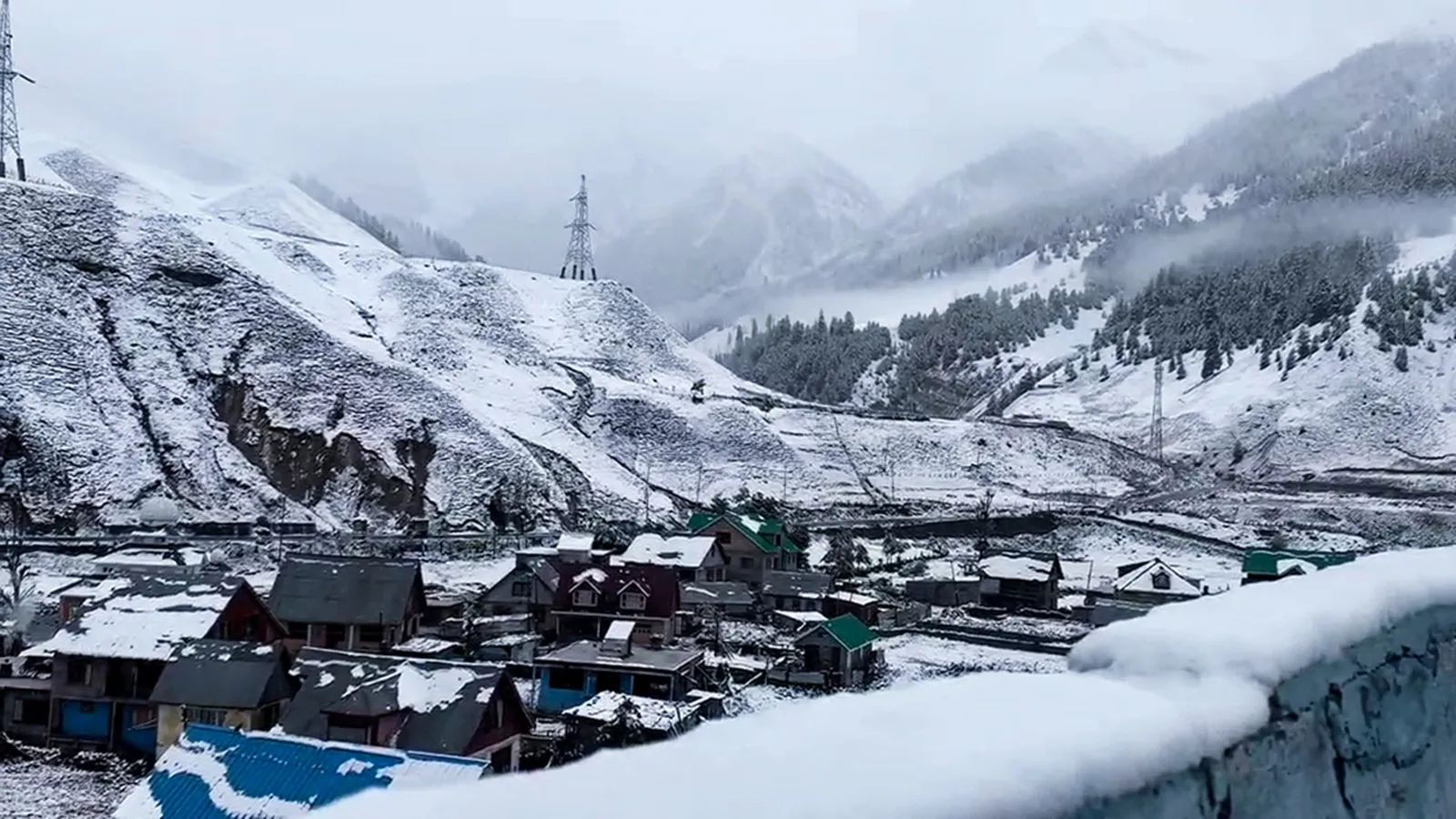
Researchers from IIT Kharagpur have found that high-altitude regions of Jammu and Kashmir have been warming at an alarming rate over the past two decades. The study, conducted by Prof. Jayanarayanan Kuttippurath, GS Gopikrishnan, and VM Pranav Chandran, examined 44 years of climate data from 1980 to 2024 and revealed a clear pattern of elevation-dependent warming across the state.
High-altitude locations like Gulmarg, Pahalgam, and Bhaderwah experienced nearly 1°C of warming in the last 20 years. In contrast, Jammu, situated at a lower elevation, saw relatively little temperature change. The warming effect was more pronounced at night, with mid-elevation locations recording annual mean temperature increases of up to 0.3°C per decade. Minimum temperatures during the pre-monsoon season rose by as much as 0.6°C per decade.
The researchers believe that this trend could accelerate snow and glacier melt, with significant implications for the region's water supply, ecosystems, and agriculture. As snow and glaciers melt, darker rock, soil, and bare ground are exposed, absorbing more heat and further contributing to warming. Additionally, changes in moisture in the high-altitude atmosphere, such as increased evaporation and the presence of water vapor (a potent greenhouse gas), also play a role in intensifying the warming effect.
The study highlights that the warming trend in Kashmir is linked to the higher amount of solar radiation reaching the mountain surface compared to the Indo-Gangetic plains. Kashmir's relatively cleaner atmosphere allows more sunlight to reach the ground, while aerosols in the plains can scatter or block part of the incoming sunlight.
The consequences of this warming trend could be far-reaching, affecting not only Jammu and Kashmir but also populations across the region that depend on Himalayan water resources. As snow and ice reserves continue to shrink, the availability of meltwater for agriculture and downstream communities may diminish over time. The researchers emphasize the need to protect climate-sensitive mountain landscapes from pressures like unregulated industrial activity and excessive human intervention, while also reducing greenhouse gas emissions through international frameworks like the Paris Agreement.
Written by urgent.news from The Indian Express's reporting — not their text. Machine-written — may contain errors; check the original before relying on it.