AI mapping reveals hidden stage of Arctic freeze with climate implications
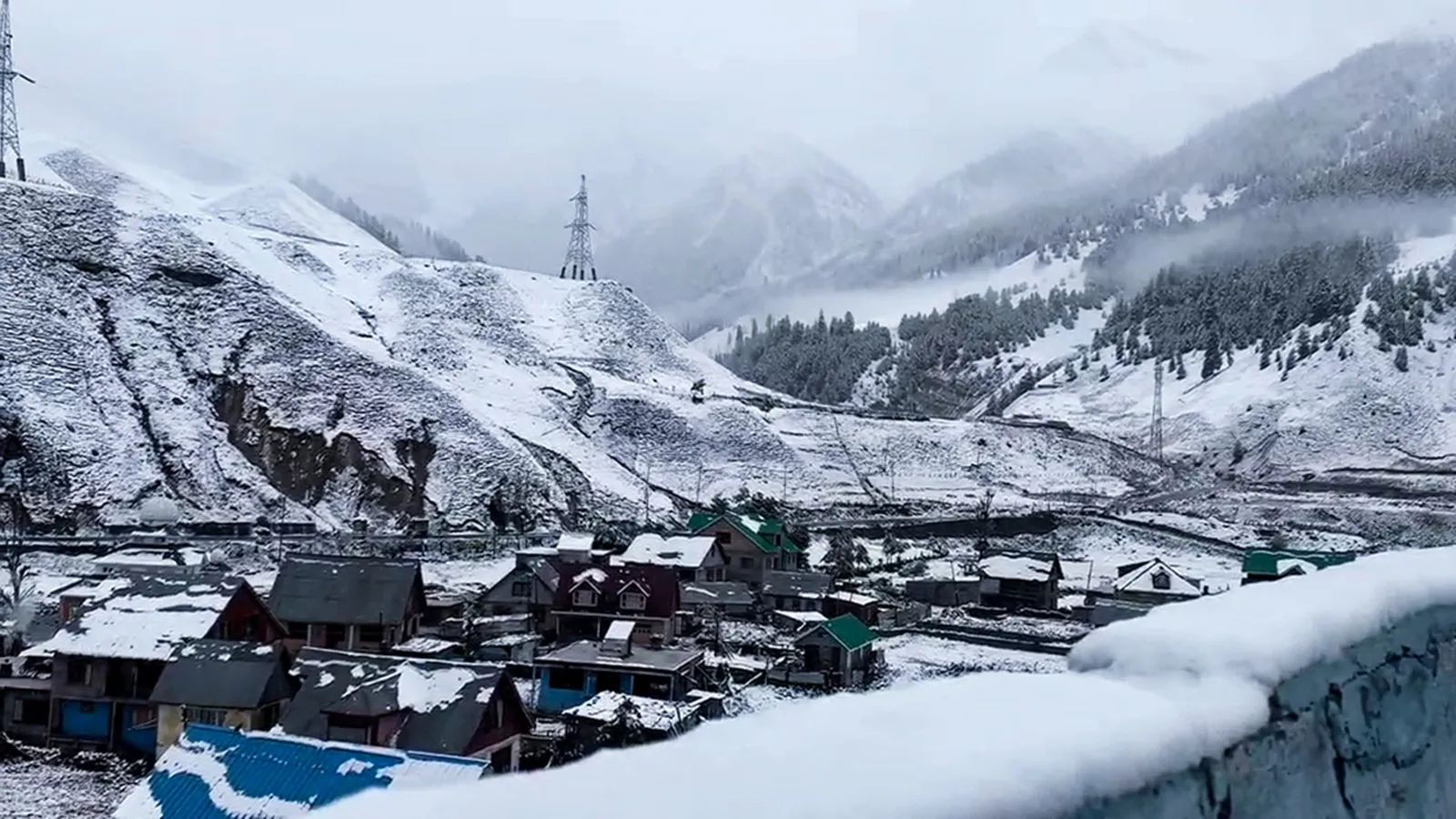
As autumn gives way to winter across the Arctic, the ground doesn't immediately freeze solid. Instead, soils often linger near the freezing point for days or even weeks in a phase called the zero curtain. In a new NASA-led study, researchers produced high-resolution maps of the Arctic zero curtain.

As autumn transitions to winter in the Arctic, the ground does not freeze immediately. Rather, soil temperatures often remain close to the freezing point for several days or even weeks in a phenomenon known as the zero curtain. A new NASA-led study has utilized high-resolution AI-generated maps of the Arctic zero curtain. By understanding the duration, intensity, and extent of this phenomenon, scientists may improve their predictions on how thawing permafrost could impact Earth's climate.
Much like a glass of ice water, water in Arctic soil remains at freezing point due to incoming heat melting ice rather than raising the temperature. During spring, a similar process occurs: as water freezes, it releases heat which keeps the ground near the freezing point before it can cool further. This near-freezing condition allows soil microbes to remain active longer, releasing carbon dioxide and methane into the atmosphere.
Permafrost stores approximately 1.9 trillion tons (1.7 trillion metric tons) of organic carbon, nearly double the amount currently present in Earth's atmosphere. As frozen ground thaws, more of this carbon could be released as microbes capitalize on the expanded zero curtain's moist conditions.
Researchers have developed an AI framework called GeoCryoAI, which integrates satellite observations, model outputs, and field measurements dating back to 1891 to generate the first detailed maps of zero-curtain conditions across the Arctic region. The maps reveal that spring thaw tends to produce longer zero-curtain periods than autumn freeze-up, with wetter regions experiencing the longest zero-curtain periods.
The GeoCryoAI model was designed to work with data from the NASA-ISRO Synthetic Aperture Radar (NISAR) mission, potentially aiding scientists in monitoring how frozen landscapes respond to a changing climate and refining forecasts of future greenhouse gas emissions.
Written by urgent.news from Phys.org's reporting — not their text. Machine-written — may contain errors; check the original before relying on it.
Also reported by 1 other outlet
- Climate change opens Arctic shipping routes as roadless forest protections face rollback scientificamerican.com