How will NASA's astronaut training hub change with commercial space stations?
A tour of Johnson Space Center in Houston shows how NASA and private industry are already working together on the future of human spaceflight.
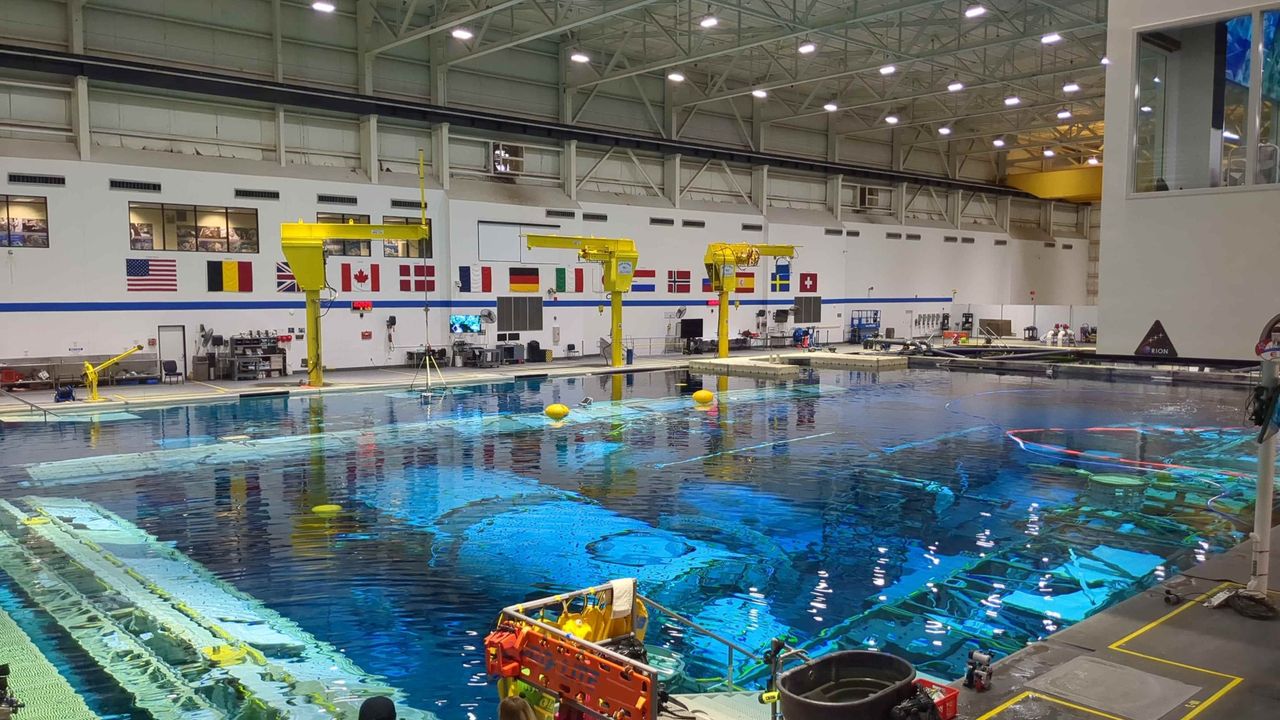
Houston — NASA's astronaut training hub is undergoing a transformation as the agency integrates more commercial space stations into its operations. On August 4, Canadian reporters, including myself, were granted a tour of Johnson Space Center (JSC) ahead of the SpaceX Crew-13 launch, which is set to take place no earlier than September 12. Among the crew members on this mission are Josh Kutryk of the Canadian Space Agency, Jessica Watkins from NASA, Luke Delaney as the pilot, and Teteryatnikov from Roscosmos.
NASA has confirmed that the ISS will remain an active program for at least a few more years, with an end-of-operations expected around 2030. However, they are prepared to extend the station's lifetime if directed by Congress. The ISS has experienced a leak on the Russian side, which required astronauts to temporarily take shelter in a Crew Dragon spacecraft during discussions of a fix.
Currently, major station systems are in good health, but teams are already contemplating lessons learned when the ISS retires for the new generation of mission planners.
The Commercial LEO (Low Earth Orbit) Destinations (CLD) program, led by private space stations, aims to have companies provide astronauts by the time the ISS retires. NASA has already awarded early-stage contracts worth approximately $415 million in 2021 to teams led by Nanoracks, Blue Origin, and Northrop Grumman. Other companies like Vast Space and Bigelow Aerospace are developing self-funded modules and inflatable modules, respectively, to ensure long-term durability for future free-flying destinations.
Despite the shift towards commercial space stations, NASA officials are prepared to offer expertise and assistance. The iconic ISS Mission Control, which is often live-streamed on NASA+ during various space station operations, remains a crucial demonstration of division of labor for future space stations. The Mission Control building houses several dedicated control rooms for different mission purposes, including an Apollo control center and rooms for Boeing Starliner and Artemis missions.
Written by urgent.news from Space.com's reporting — not their text. Machine-written — may contain errors; check the original before relying on it.