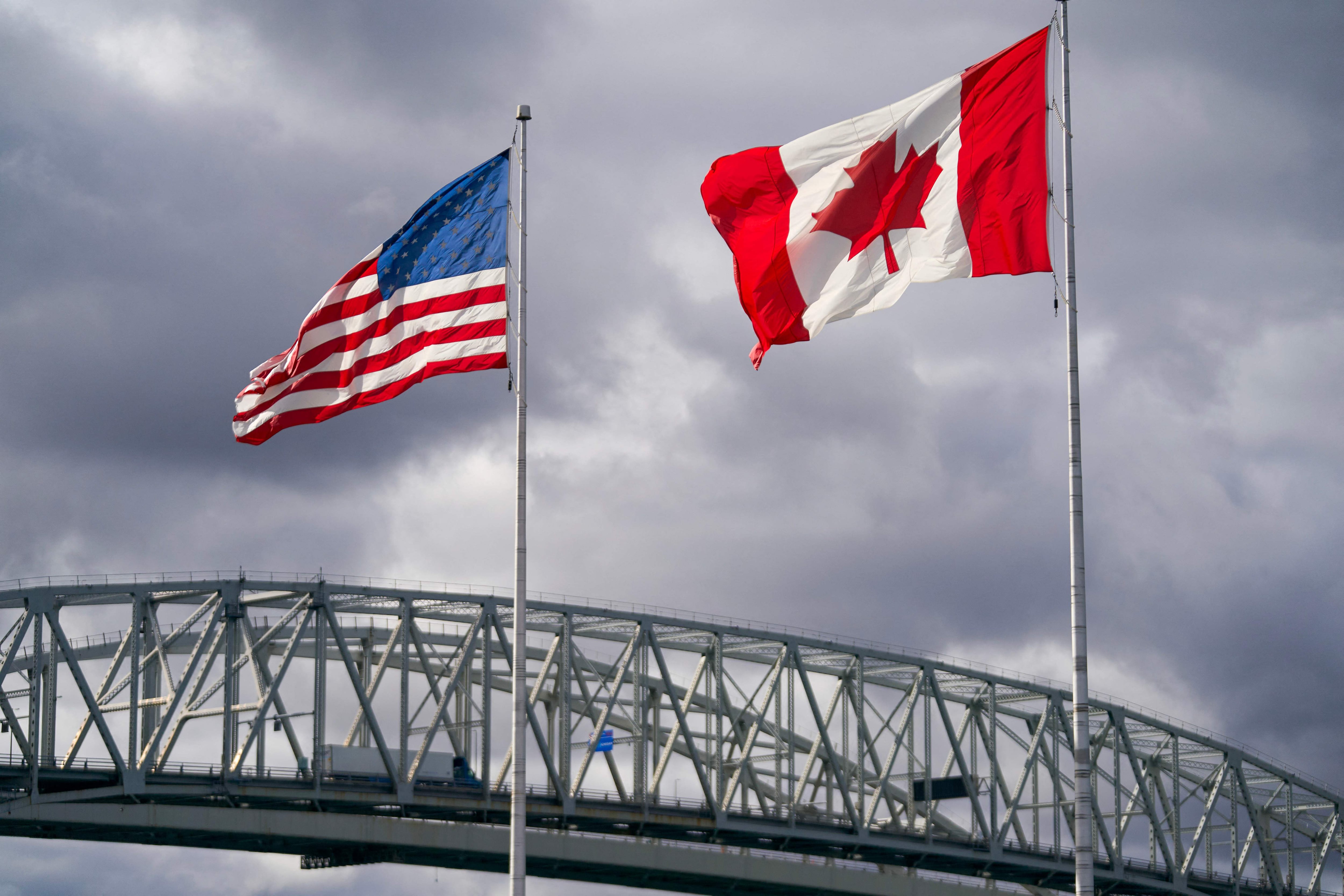
Canada will impose retaliatory tariffs on US, prime minister says
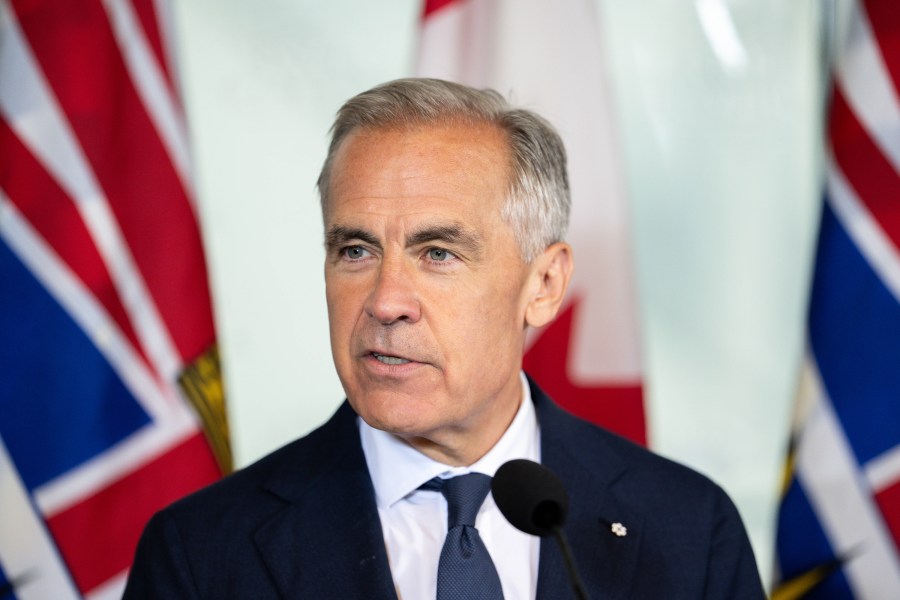
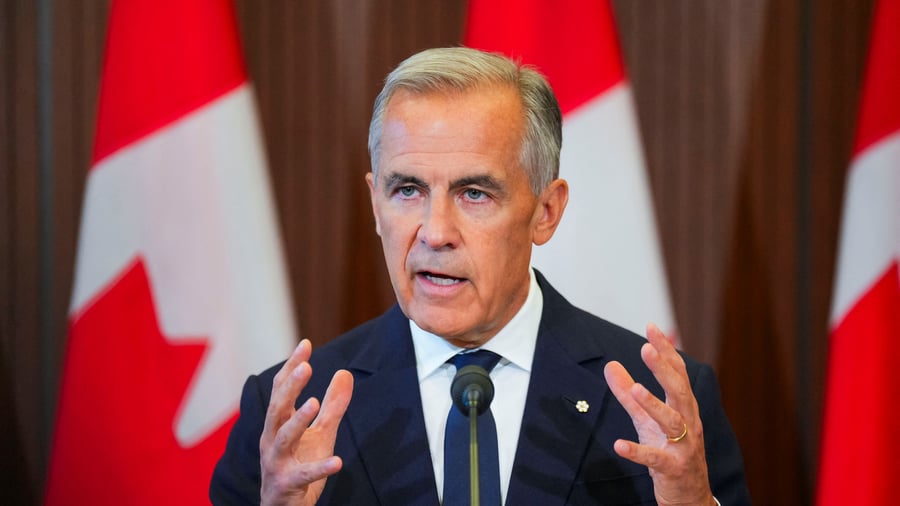
Negotiations over the United States' newly announced tariffs on Canada have fallen apart, as Canadian Prime Minister Mark Carney says the countries won't "return to our old relationship".
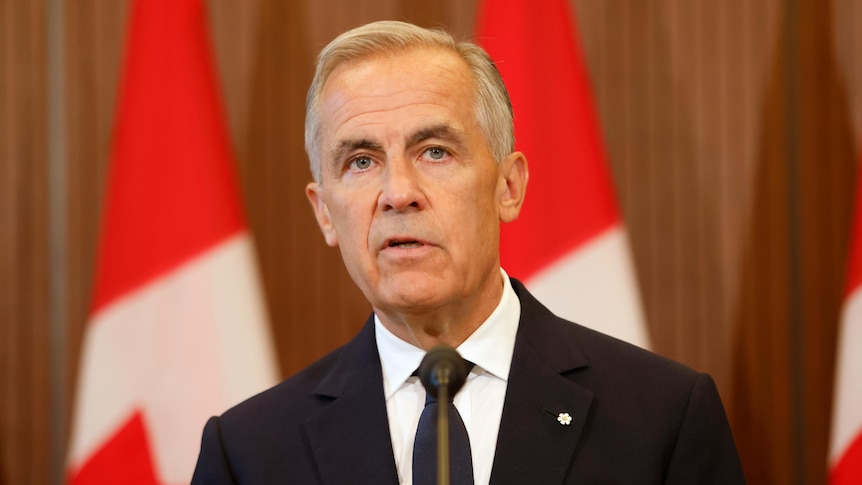
Canadian Prime Minister Mark Carney announced on Saturday that Canada will impose retaliatory tariffs on the United States in response to the latter's imposition of 50% tariffs on $20 billion worth of Canadian products. This decision comes after last-ditch negotiations between the two countries failed to resolve the trade dispute. The retaliatory tariffs will take effect on September 8.
Mr Carney stated that the new tariffs will target various products including steel, dairy, appliances, agricultural equipment, pulp and paper, and electronics. He also mentioned that Canada was willing to drop remaining retaliatory tariffs on steel, aluminium, and autos if the US significantly lowered its own tariffs. However, Mr Carney deemed Washington's final demands as "too much" and "offered too little."
The retaliation raises concerns about the future of the North American trade agreement involving the United States, Canada, and Mexico, which is vital for industries in all three nations. Canada had sought concessions on tariffs related to steel, aluminium, autos, and lumber. Despite the US offering Canada the best treatment among major exporters of its market, the new demands and subsequent changes in Canada's position have disrupted the previously established balance.
US Trade Representative Jamie Given blamed the Republican administration for the breakdown of negotiations, stating that the last-minute changes in the US proposed terms were unfair, uneconomic, and questioned the trustworthiness of any deal. The US offer was described as "forward-looking," encompassing a historic economic and national security partnership.
Mr Carney emphasized that Canada's primary objective throughout the negotiations was to secure the most favorable agreement, never accepting a deal for any price or on an arbitrary deadline. The US tariffs on Canadian goods were initially scheduled to take effect on September 1, but were extended by three days to allow for continued negotiations.
Despite past cooperation, including joint military efforts in Afghanistan and the presence of Canadians in the United States, the US's approach to trade with Canada marks a significant shift from the traditional relationship.
Written by urgent.news from ABC News AU's reporting — not their text. Machine-written — may contain errors; check the original before relying on it.
This story
This is one outlet's version. Read the fullest account.
- US imposes 50% tariffs on Canada thenationalnews.com
- Canada announces retaliatory tariffs to begin Sept. 8 thehill.com
- Hit by Trump tariffs, Quebec loses appetite for quick separation from Canada nst.com.my
- Hit by Trump tariffs, Quebec loses appetite for quick separation from Canada freemalaysiatoday.com
- Canada to impose tariffs on wide range of US sectors from September english.ajel.sa
- Hit by Trump tariffs, Quebec loses appetite for quick separation from Canada investing.com