Urgent.News

What's breaking now, across thousands of outlets.

Science

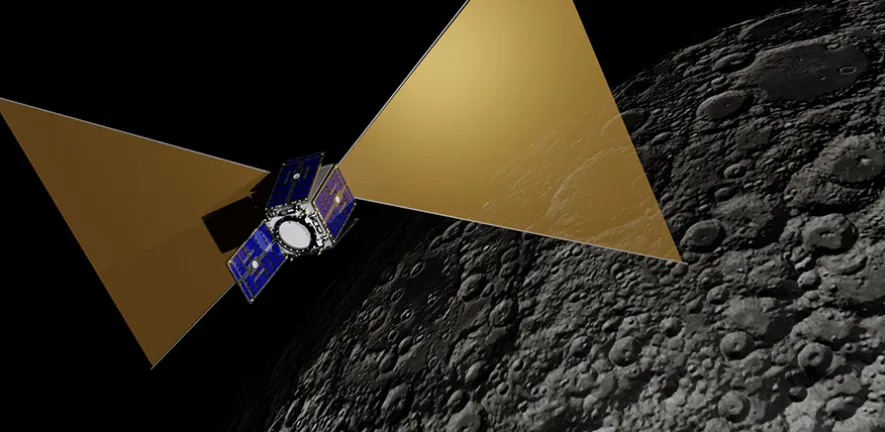
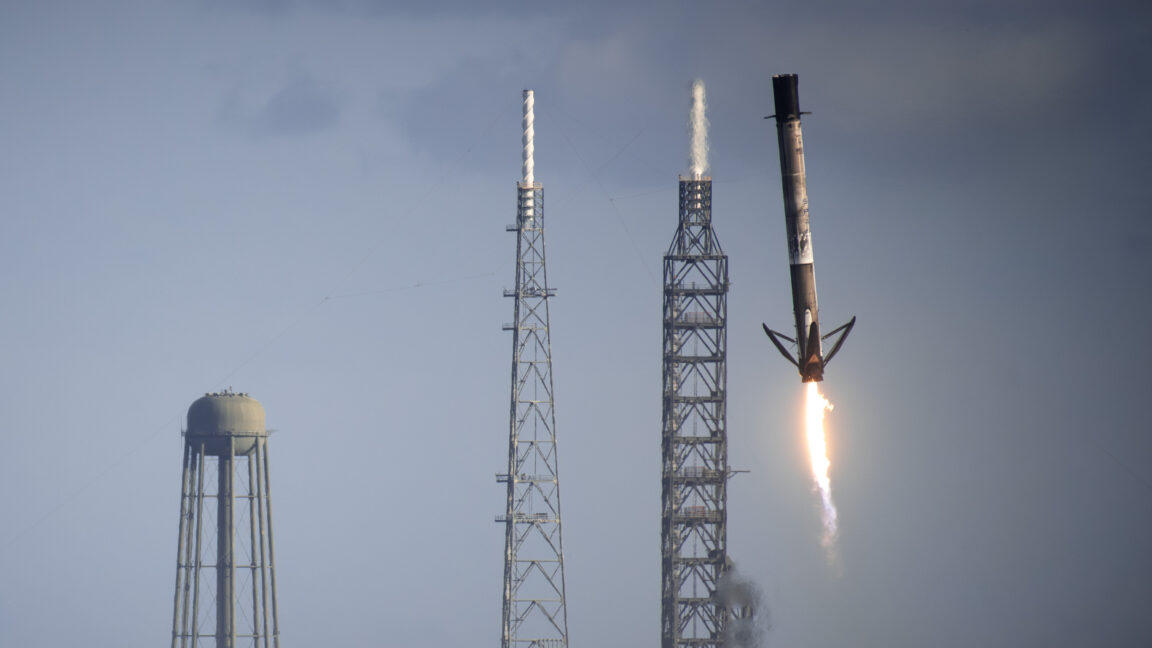
Trump's space transportation policy calls for new spaceport on federal land
Trump's space transportation policy calls for new spaceport on federal land

President Donald Trump's new national space transportation policy, signed on Thursday, aims to develop additional spaceports to accommodate over 1,000 launches and reentries annually by 2030. This policy supersedes the 2013 space policy initiated by former President Barack Obama. Both policies share a focus on bolstering the commercial space sector and ensuring uninterrupted access to space.

However, the launch sector has undergone significant transformation since 2013. In 2020, there were 176 orbital launches from US soil, a nearly tenfold increase from the 2013 count. SpaceX spearheaded this surge with 165 Falcon 9 rocket orbital launches and five Starship suborbital tests. By 2030, our space transportation capabilities must expand to manage more than 1,000 launches and reentries each year, according to the policy. These policies aim to maintain America's dominance in space.

Written by urgent.news from Ars Technica's reporting — not their text. Machine-written — may contain errors; check the original before relying on it.

Read the original at arstechnica.com →

More in Science

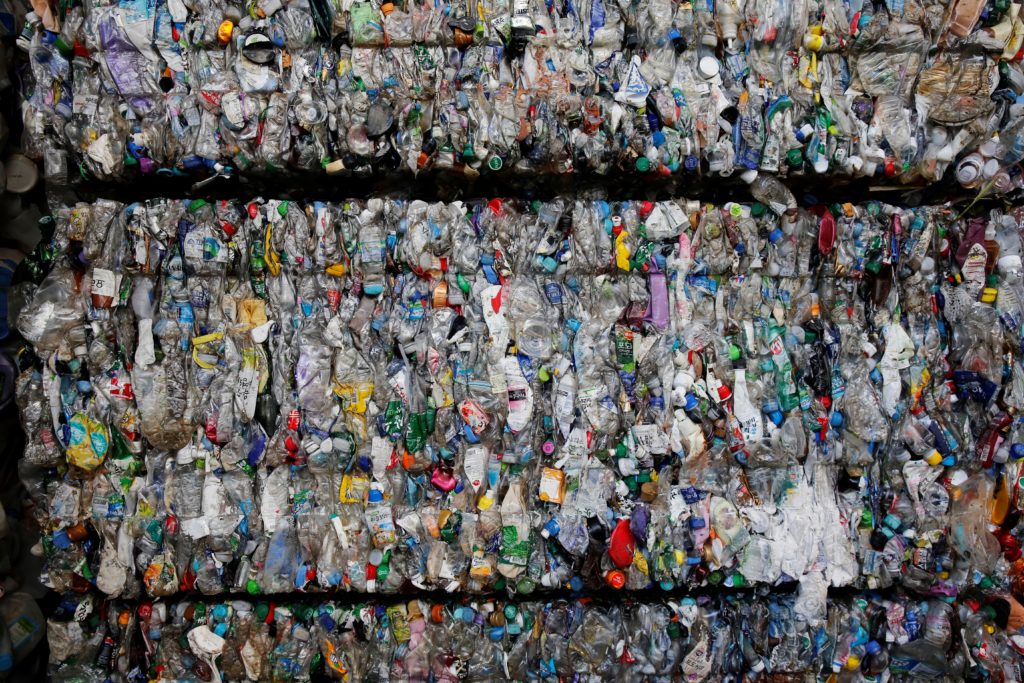
Can recycling solve the world's trash problem?

Reduce, reuse, recycle. It's the mantra heard for decades, but does it work? There's a lingering cynicism that recycling is a scam, that it doesn't really help, and it's more about making us feel good…

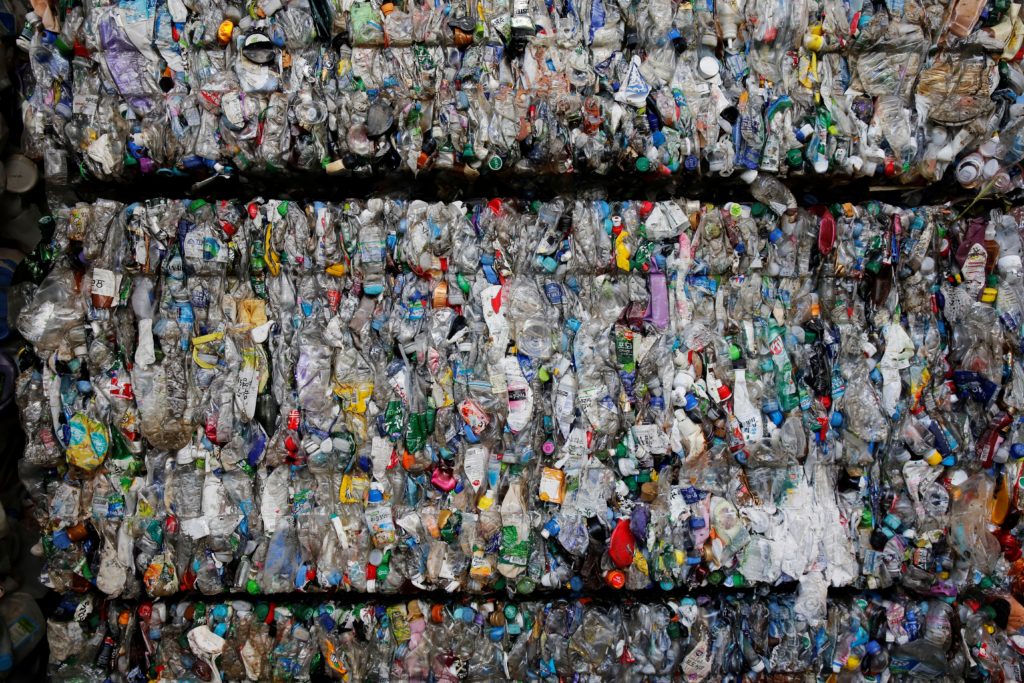
Can recycling solve the world's trash problem?

Reduce, reuse, recycle. It's the mantra heard for decades, but does it work? There's a lingering cynicism that recycling is a scam, that it doesn't really help, and it's more about making us feel good…

Comparative fits to identified-hadron spectra in relativistic p+p, p+Pb, Pb+Pb and Au+Au collisions including error covariances

Scientific Reports, Published online: 22 August 2026; doi:10.1038/s41598-026-67596-6 Comparative fits to identified-hadron spectra in relativistic p+p, p+Pb, Pb+Pb and Au+Au collisions including error…

  • Blast-wave description provides stable representation of low-pT spectra across collisions
  • pPb and pp collisions show greater model dependence and less stable fits
  • Findings emphasize strong freeze-out interpretation in heavy-ion sector

More from Friday 21 August →