Mexico’s urban sprawl is steadily reshaping life in its biggest cities
As the country's major urban areas grow, more and more residents live farther and farther away from the city centers, affecting access to services, commute times (and therefore air quality) and social structures. The post Mexico’s urban sprawl is steadily reshaping life in its biggest cities appeared first on Mexico News Daily
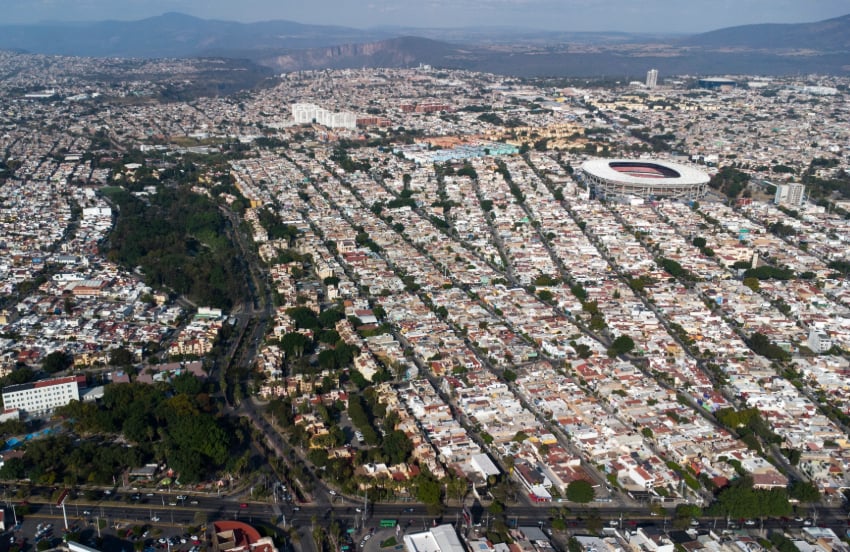
A new study reveals that Mexico's major cities have experienced a significant shift in population distribution over the past three decades. Researchers from Tecnológico de Monterrey's Center for the Future of Cities and the Complexity Science Hub in Vienna found that urban populations in 69 Mexican metropolitan areas nearly doubled between 1990 and 2020, with most of the growth occurring in areas farther from the city center.
Central areas saw a notable decline in their resident populations, with Guadalajara losing 200,000 residents within a 5-kilometer radius of the city center between 1990 and 2020. The research attributed this trend to limited affordable housing in established urban areas, cheaper peripheral land, and favorable housing policies that encouraged development outside consolidated zones.
Moreover, the rise in car ownership and transportation planning that failed to keep pace with new development further reinforced the shift. The average distance between residents and the city center increased by 28% as people moved outward. While the study does not provide insights into the voluntary or involuntary nature of these moves, nor the income or job locations of those who relocated, it emphasizes the need to reconsider traditional city centers.
Alberto Meouchi, head of the Mexico City office at Tec de Monterrey's CFC, suggested that multiple centers could be developed, integrating housing, jobs, services, and transportation closer to one another.
Written by urgent.news from Mexico News Daily's reporting — not their text. Machine-written — may contain errors; check the original before relying on it.