Shady Spots on Moon’s South Pole May Provide Refuge for Earth Microbes to Survive for Up to Seven Days
Learn how human spaceflight could contaminate the moon with microbes and how simulations show they may survive in shady crevices protected from the sun’s radiation.
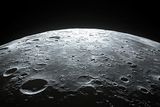
Microbes hitching a ride on spacecraft bound for the moon may survive for up to seven days in shaded areas near the lunar south pole, according to a recent study published in Science Advances. Researchers from NASA and the University of Maryland simulated common spaceflight-associated microbes at potential landing sites near the moon's south pole, taking into account lunar radiation profiles.
The simulations revealed that shaded crevices and craters could potentially shelter terrestrial microbes from deadly radiation and extreme temperatures. Study co-author Stefano Bertone, a research scientist at the University of Maryland's Department of Astronomy, expressed surprise at the findings, stating that "so much for 'nothing can survive on the moon'."
As humanity plans to build bases on the moon and crew missions to Mars, understanding potential microbial contamination is crucial for distinguishing between local, innate chemistry and extraterrestrial life.
Written by urgent.news from Discover Magazine's reporting — not their text. Machine-written — may contain errors; check the original before relying on it.