Art and science must come together for coral reef conservation, biologists argue
Art and science can work together to raise public awareness and propel conservation efforts needed to safeguard coral reef ecosystems, a group of coral scientists argues in a new research article published in Science Advances. Coral reefs are among Earth’s most threatened ecosystems amid climate change, coral bleaching and threats from mining. However, most people […]
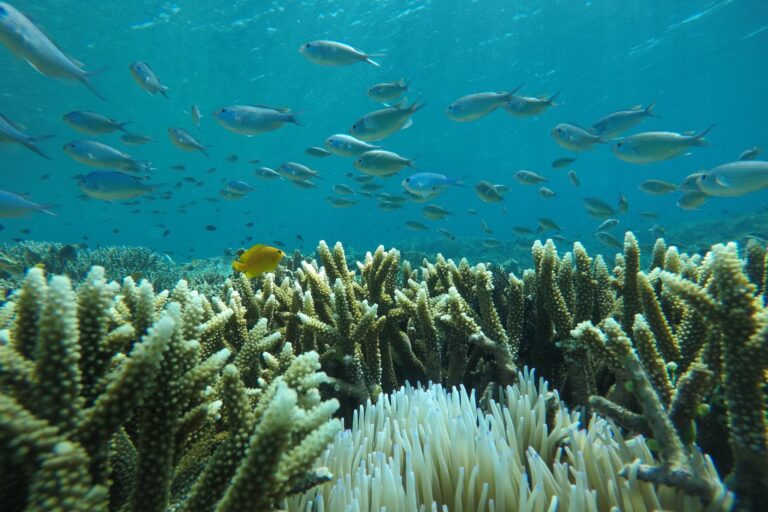
Art and science can collaborate to enhance public awareness and drive conservation efforts to protect coral reef ecosystems, according to a group of coral scientists. Coral reefs are among Earth's most vulnerable ecosystems, facing threats from climate change, coral bleaching, and mining. Despite their importance, most people rarely consider corals.
The study suggests that artists can illuminate the fragility of corals and the resilience of nature. "Artistic interventions can transform the largely unseen underwater world into something visible and accessible," the authors state. "When combined with scientific data, interactive design, and clear calls to action, coral-inspired art installations in cities globally can heighten public understanding and rally support."
They contend that music, dance, film, and visual art can also emphasize the importance of coral reefs. However, numerous initiatives to tackle the coral reef crisis are often localized and unconnected. "Although these projects effectively merge ecological restoration with public engagement, their impact remains confined to specific regions," the article highlights.
Monica Medina, a biology professor at the University of California, Los Angeles in the U.S., and co-author of the study, told Mongabay in an email that local art can still reach a global audience. She provided the example of Jalimer, a young Champeta musician from Colombia. Champeta is a local music genre from Colombia's Caribbean region, akin to reggaeton.
"I discussed with him [Jalimer] near one of my field sites about how Champeta could contribute to altering perceptions," Medina said.
Written by urgent.news from Mongabay's reporting — not their text. Machine-written — may contain errors; check the original before relying on it.