Leader of Fat Marmot Week fights the budget cut era: ‘we’re going to be laughing our way down as the Titanic sinks’
Marmot researchers in Gothic, Colorado, affectionately call themselves “marmoteers.” Funding cuts have already wiped out a third of the grad students.
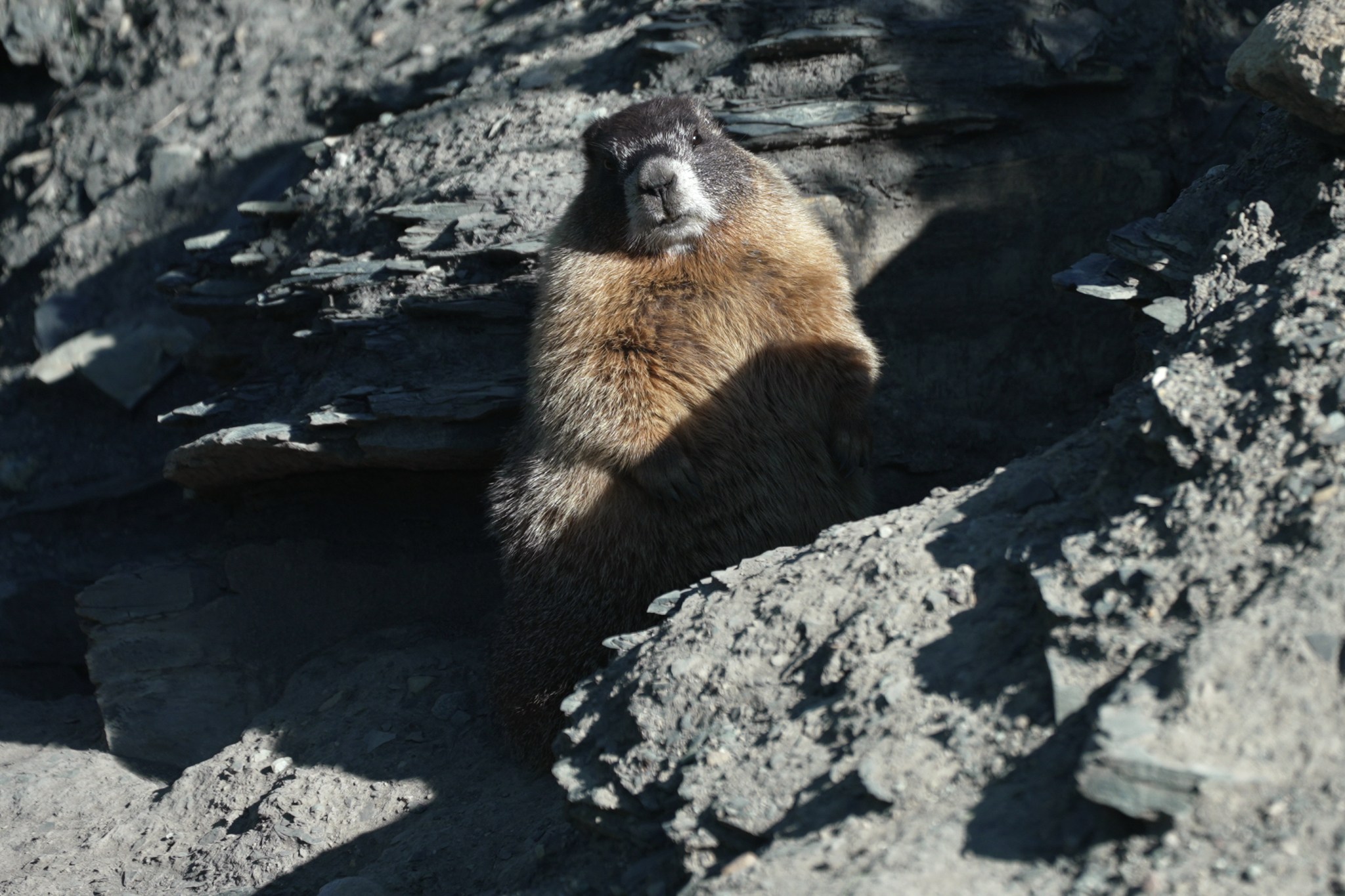
Last winter was harsh for marmots in Colorado's mountains, with two-thirds of a population perishing while hibernating due to insufficient snow cover. As these resilient survivors prepare for the inaugural Fat Marmot Week – a fun online contest akin to Fat Bear Week – researchers are simultaneously rallying for donations to sustain their long-term research amid federal funding cuts.
"In a manner of speaking, we'll be laughing as the Titanic sinks," remarked Dr. Dan Blumstein, the project leader from the Rocky Mountain Biological Laboratory in Gothic, Colorado. "There's no other option."
Marmots are cat-sized squirrels found in North America, Europe, and Asia, with 15 species worldwide. In the Rockies, yellow-bellied marmots are common, often spotted on boulders or among wildflowers. These creatures aren't camera-shy near popular hiking trails, though their boldness might lead them to snatch your snacks.
Marmots possess unique personalities and social behaviors. Some prefer to mingle within colonies of up to 30, while others thrive in solitude. Researchers observe marmots primarily by their behavior and interactions. However, some are elusive, requiring multiple attempts to trap them using baited wire boxes filled with oats and peanut butter. Dr. Emily Renkey, a UCLA master's student, shared that others can be captured easily multiple times in a single morning.
Marmots are deep hibernators, experiencing body temperatures that plummet to just above the freezing point, akin to their icy winter burrows. They endure extreme conditions, with body temperatures dropping to around 41°F (5°C). Upon waking, they resemble cold rocks encased in fur, a surreal sight. Prior to hibernation, marmots double their weight, reaching up to 13 pounds (6 kg), before shedding it all during their six-month hibernation period.
Insufficient snowfall and warmer temperatures, exacerbated by climate change, have dire consequences for marmots. Last winter, the lack of snow insulation led to many marmots succumbing to the cold. This year's record-low snowpack in the Upper Colorado River Basin – encompassing Wyoming, Colorado, Utah, and New Mexico – was 14 times more likely due to human-induced climate change, as per a recent study.
The prolonged snow drought affects the entire ecosystem, from diminished bee populations to encroaching sagebrush and downstream water scarcity affecting farmers and communities reliant on the Colorado River's water. "What happens in these mountains doesn't stay in these mountains," emphasized Dr. Renkey.
The Rocky Mountain Biological Laboratory, conducting research for over six decades, is led by Dr. Blumstein and his team of "marmoteers." The effort to keep marmot research alive has taken a creative turn with the creation of the $OnlyMarms cryptocurrency and its associated meme coin fundraiser, raising approximately $100,000 thus far.
But three years of funding – over $200,000 – is required to ensure continuity. Researchers are reaching out to the community to garner support and raise awareness about the crucial role of marmots in the ecosystem.
Written by urgent.news from Fortune's reporting — not their text. Machine-written — may contain errors; check the original before relying on it.